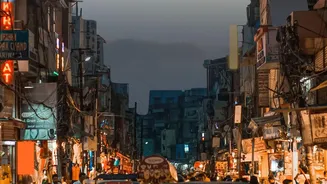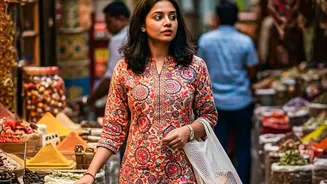





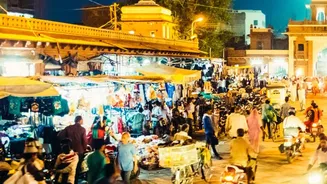
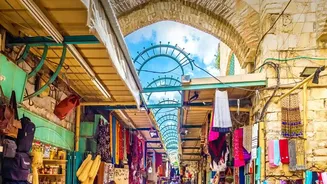
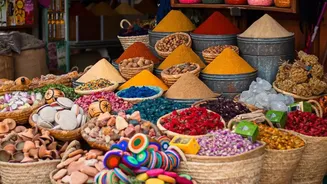
The modern mall beckons with air-conditioned comfort and a glossy promise of everything under one roof. Yet, for a growing number of metro dwellers, the sterile perfection of these retail palaces pales in comparison to the chaotic, vibrant energy of a local
bazaar.
An Experience for All Senses
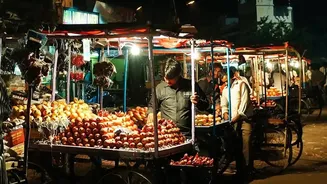
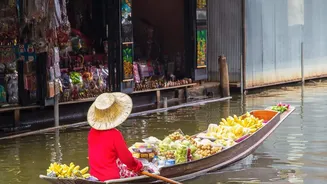
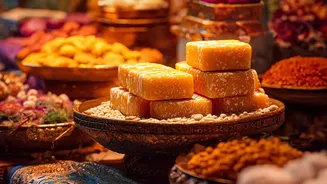
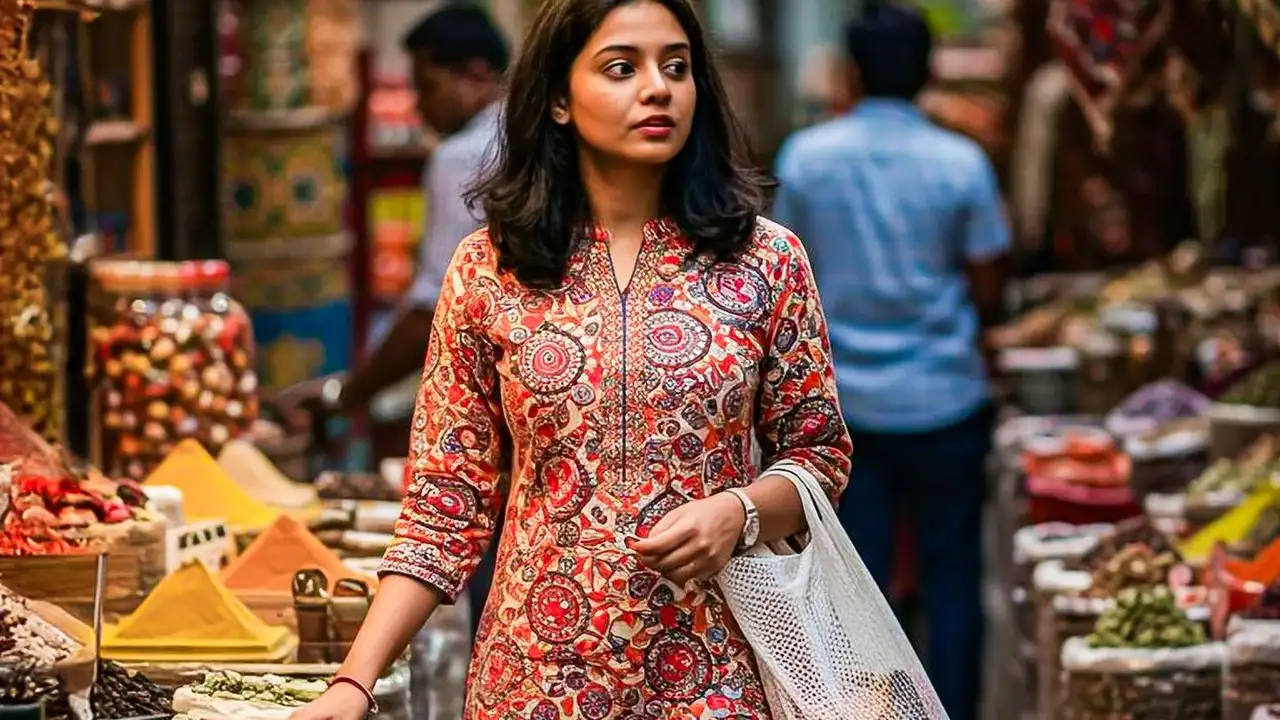
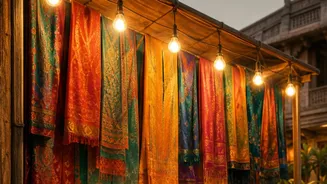
A trip to the mall is a curated, predictable experience. The music is generic, the lighting is uniform, and the air is filtered. A bazaar, however, is a sensory explosion. It's the sound of vendors calling out their prices, the sizzle of street food, the fragrant mix of spices and incense, and the visual kaleidoscope of colourful textiles and fresh produce. This multi-sensory environment is not just background noise; it is the very essence of the experience. It grounds you in a specific place and culture, creating a memory that a uniform mall corridor simply cannot replicate. While studies show malls are often designed for efficiency and comfort, bazaars thrive on a controlled chaos that awakens the senses and makes a simple shopping trip feel like an adventure.
The Power of Human Connection
Shopping in a mall often involves minimal human interaction, save for a brief transaction with a cashier. Bazaars are built on relationships. Here, you don't just buy from a vendor; you engage with them. You might haggle over a price, a ritual that is less about saving money and more about social engagement. You might hear the story behind a handcrafted item or get a cooking tip from the person who grew the vegetables you're buying. These small interactions build a sense of community and trust. Local markets have long been recognized as social hubs where people from different walks of life can connect, strengthening community bonds in a way that anonymous, transactional shopping cannot.
A Reflection of Local Identity
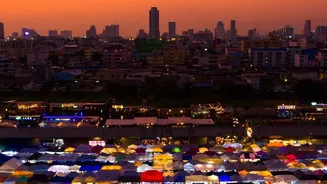
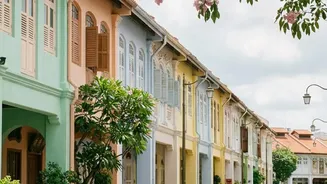
Malls across the world often feel interchangeable, offering the same global brands and food court chains. A bazaar, by contrast, is a unique reflection of its city's soul. The products sold, the food prepared, and even the architectural style are deeply rooted in local culture and history. From the flower markets that transform into street food havens at night to weekly markets specializing in regional crafts, bazaars are dynamic and responsive to the community's needs and traditions. They are living heritage, evolving organically with the city itself. This makes them truly inclusive civic spaces, accessible and welcoming to everyone, regardless of their socio-economic background.
Supporting the Local Ecosystem
When you shop at a local bazaar, your money directly supports small business owners, artisans, and farmers in your community. These markets provide livelihoods for a significant portion of India's urban workforce and are crucial for the informal economy. They act as incubators for new entrepreneurs who may not have the capital to rent a space in a high-end mall. This creates a resilient local economy where wealth is circulated within the community. While malls also create jobs, the economic model of a bazaar is more distributed, fostering a broader base of economic self-reliance and preserving traditional skills and crafts that might otherwise disappear.
The Quest for Authenticity
In an increasingly globalized and digital world, there is a growing desire for authentic, tangible experiences. Shopping is no longer just about acquiring goods; it's about the story, the connection, and the experience. Malls, with their focus on branded, mass-produced items, can feel impersonal. Bazaars offer uniqueness and a sense of discovery. You might find a one-of-a-kind antique, a handmade piece of jewellery, or a spice blend you can't get anywhere else. This search for authenticity is leading many back to traditional forms of commerce. They are rediscovering the joy of shopping in an environment that is not just a place of transaction, but a vibrant part of the city's cultural fabric.