


The High Price of a One-Way Ticket to Space
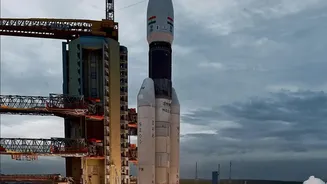
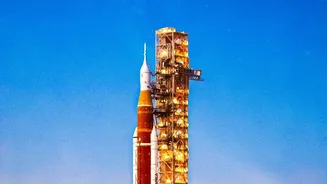
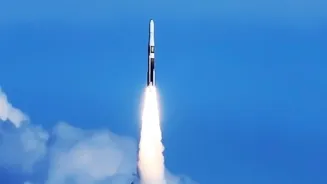
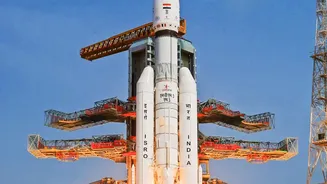
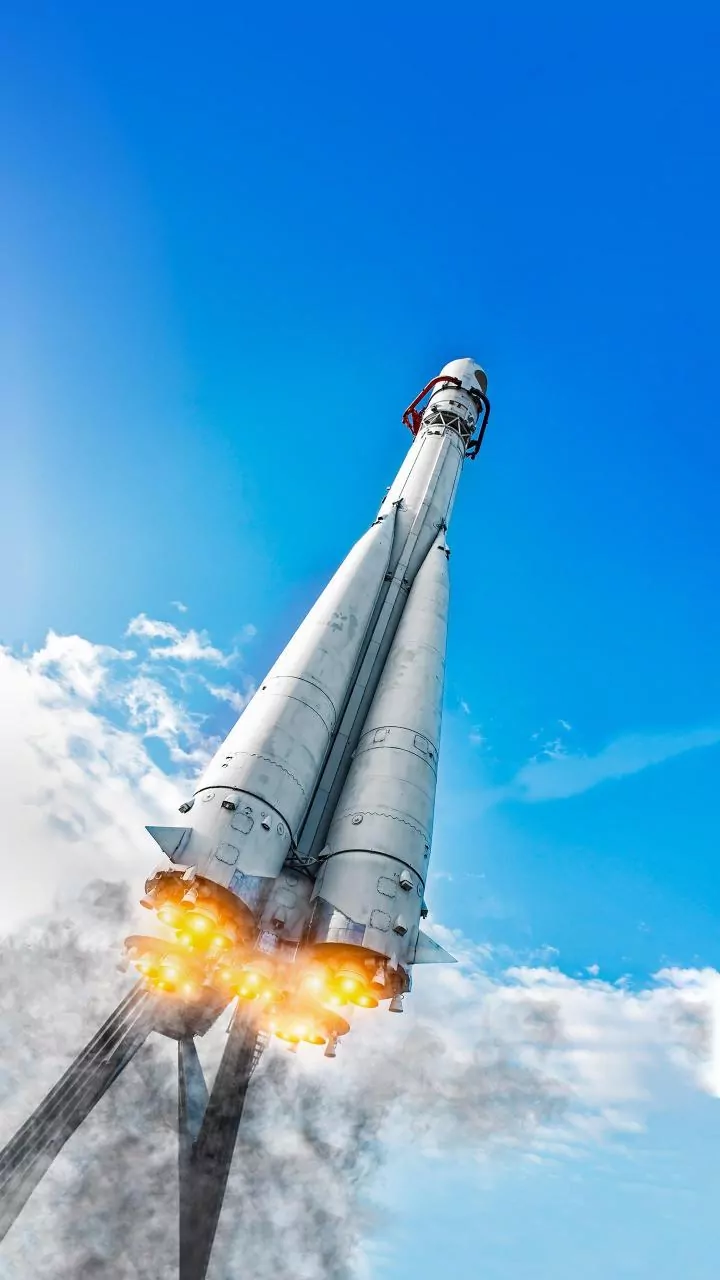
For decades, launching a satellite has been an incredibly expensive affair, largely due to one fundamental problem: the rockets are disposable. A launch vehicle like the Polar Satellite Launch Vehicle (PSLV) is a marvel of engineering, but it's a single-use
machine. After delivering its payload into orbit, the rocket's stages fall back to Earth, burning up in the atmosphere or splashing into the ocean, never to be used again. This is like flying a commercial jet from Delhi to Mumbai and then throwing the entire aircraft away. The cost of the fuel is a relatively small part of the total expense; nearly 80% of the cost of a launch is tied up in the rocket's structure, engines, and complex electronics—all of which are lost on every mission. This 'use and throw' model has kept the cost of accessing space prohibitively high.
Enter Pushpak: India's Reusable Dream
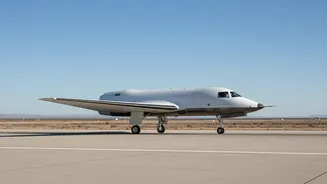
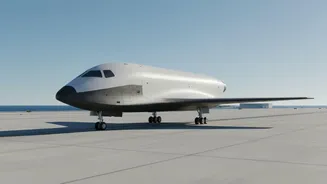
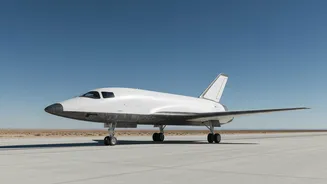
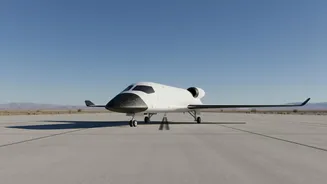
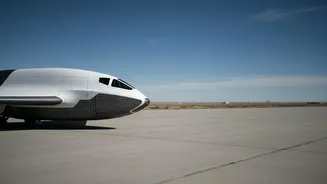
ISRO's answer to this challenge is the Reusable Launch Vehicle - Technology Demonstrator (RLV-TD) programme, and its star is a winged vehicle named Pushpak. Named after the mythical flying palace from the Ramayana, this uncrewed, aeroplane-like vehicle is designed to be the core of a Two-Stage-to-Orbit (TSTO) system. In this future system, Pushpak would be the upper stage that carries a payload into orbit. But instead of being discarded, it would re-enter the Earth's atmosphere, fly back, and land horizontally on a runway just like an aircraft. By recovering and refurbishing this highly advanced vehicle for multiple missions, ISRO aims to break the expensive cycle of building a new rocket for every single launch.
How Reusability Slashes Expenses
The economic logic behind reusability is straightforward but transformative. By saving the most expensive parts of the launch system, ISRO aims to slash the cost of putting a kilogram of payload into orbit by as much as 80-90%. Current estimates place launch costs at several thousand dollars per kilogram. The RLV programme's goal is to bring that figure down dramatically, potentially making India one of the most competitive players in the multi-billion dollar global satellite launch market. This cost reduction isn't just about saving money on national missions; it would make India a highly attractive destination for international companies and countries looking to launch their own satellites affordably. It could also enable more ambitious projects, from large satellite constellations to supporting the future Bharatiya Antariksh Station.
The Critical 'Landing Exam'
Before Pushpak can return from orbit, it must first prove it can land safely and precisely. This is the entire focus of the recent series of Landing Experiments (LEX). In these crucial tests, conducted at the Aeronautical Test Range in Karnataka, Pushpak was not launched into space. Instead, an Indian Air Force Chinook helicopter carried it to an altitude of 4.5 kilometres and released it. From there, the vehicle was on its own. It had to autonomously navigate its way to the runway, correct for any deviations in its path, and execute a perfect, high-speed landing at over 320 kmph. The successful completion of these tests, including the most recent one in June 2024, proved that Pushpak's sophisticated guidance, navigation, and control systems are up to the task, giving ISRO the confidence to move to the next phase.
From Runway to Orbit: The Path Forward
With the autonomous landing capability now validated, ISRO has completed a vital piece of the puzzle. The LEX series demonstrated that the vehicle can handle the final, tricky phase of its journey. The next major step is the Orbital Re-entry Experiment (OREX). This will involve launching the RLV into orbit on a rocket, after which it will de-orbit, re-enter the atmosphere at hypersonic speeds, withstand the immense heat of re-entry, and finally perform the autonomous landing that the LEX missions have perfected. This will be the ultimate test of the entire system, combining the hypersonic flight demonstration from 2016 with the landing successes of 2023-2024. While a fully operational system is still several years away, each successful test brings ISRO closer to its goal.