







The Simple Science of Flavour
So, what’s the magic behind toasting? It’s all down to a bit of kitchen chemistry. When you apply dry heat to ingredients like spices, nuts, or grains, you trigger a series of reactions. The most famous of these is the Maillard reaction, the same process
that gives seared steak and baked bread their delicious brown crust and savoury depth. This reaction between amino acids and sugars creates hundreds of new aroma and flavour compounds that weren't there before. Toasting also helps to release volatile oils trapped within the cell walls of ingredients, which is why a pan of gently heated cumin seeds can fill your entire kitchen with a warm, earthy fragrance in seconds. This process essentially ‘wakes up’ the dormant flavours, making them more potent and expressive.
Awakening Spices from Their Slumber
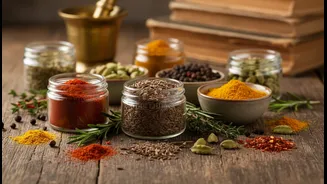
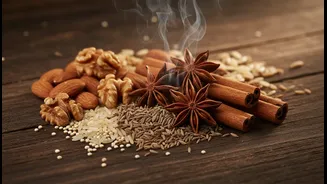
If you’ve only ever used spices straight from the jar, you're missing out. Toasting whole spices before grinding them is transformative. Whole seeds like cumin, coriander, fennel, and peppercorns become intensely aromatic and nutty. The process is simple: place your whole spices in a dry, heavy-bottomed skillet over medium-low heat. Keep the pan moving by shaking it frequently to ensure they toast evenly and don’t burn. You don't need any oil. Within a minute or two, your nose will tell you they’re ready—the spices will release a powerful, fragrant aroma. Some smaller seeds, like mustard or sesame, might even start to pop. Once they’re fragrant, immediately transfer them to a cool plate to stop the cooking process, as they can burn quickly. After they cool, you can grind them for the most flavourful spice blends you’ve ever made.
Taking Nuts and Seeds to the Next Level
Raw nuts and seeds are great, but toasted ones are sublime. Toasting not only enhances their nutty flavour but also gives them an irresistibly crisp texture. This works for everything from almonds and walnuts to sesame and pumpkin seeds. The oven method is great for larger batches. Simply spread the nuts or seeds in a single layer on a rimmed baking sheet and bake at around 175°C (350°F). Check them every few minutes, giving the pan a shake to ensure even browning. They’re done when they’re lightly golden and smell toasty, which can take anywhere from 5 to 15 minutes depending on the nut. For smaller quantities, the stovetop method is faster. Use a dry skillet over medium heat and stir or toss frequently until fragrant and lightly browned. Just be sure to watch them closely, as they can go from perfectly toasted to burnt in a matter of seconds.
Transforming Grains and Flours
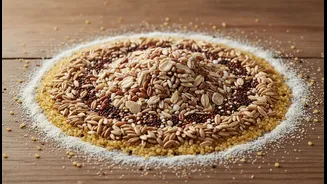
Toasting isn't just for spices and nuts. Giving grains and even flour a quick toast can add a surprising depth of flavour to your dishes. Toasting rice, quinoa, farro, or barley in a dry pan for a few minutes before adding your cooking liquid lends the finished dish a wonderful, nutty undertone. This step not only adds flavour but can also help keep grains like rice separate and fluffy. You can also toast flour to enhance baked goods or to create a richer, more flavourful base for sauces and stews like gumbo. By cooking the flour in a dry skillet over medium heat, whisking constantly until it turns a pale beige and smells nutty, you cook out the 'raw' taste and add a new layer of complexity. This toasted flour can make cookies, brownies, and even pasta dough taste more complex and delicious.