






Defining the Micro-Trip
Forget saving up all year for one massive two-week vacation. The new mantra is smaller, shorter, and more frequent. A 'micro-trip' is exactly what it sounds like: a short getaway, typically lasting between one to four days. Think leaving Friday night
and returning Sunday evening, or stretching a public holiday into a long weekend adventure. It’s less about ticking off a grand itinerary and more about hitting the reset button. The focus is on a single, immersive experience—be it a trek to a nearby peak, a food trail in a historic town, or simply unwinding at a quiet homestay.
The Post-Pandemic Effect
While the desire to travel isn't new, the pandemic supercharged it. After months of being confined indoors, the phenomenon of 'revenge travel' saw people rushing to escape their homes. But what started as a desperate dash for freedom has now matured into a sustainable habit. Young Indians discovered the mental health benefits of regular breaks and the joy of exploring their own backyard. The long lockdown months fostered a deeper appreciation for nature, open spaces, and local culture, making nearby, accessible destinations more appealing than ever. This shift made frequent, short trips a practical and desirable lifestyle choice.
Work From Anywhere, Literally
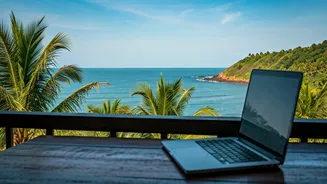
One of the biggest enablers of this trend is the revolution in work culture. The rise of remote and hybrid work models has blurred the lines between the office and the world. For many young professionals, the ability to work from anywhere with a stable internet connection has been a game-changer. A 'workation'—combining work with a vacation—is no longer a novel concept but a regular practice. Why be stuck at a desk in the city when you can answer emails from a cafe in Goa or take a conference call with a Himalayan backdrop? This flexibility has untethered a generation from the traditional 9-to-5 grind, making it possible to integrate travel directly into their work week.
The Smart Economics of Quick Escapes
The idea of travelling 'every month' might sound expensive, but micro-trips are often surprisingly budget-friendly. Instead of splurging on international flights and luxury hotels, this generation is mastering the art of frugal travel. The growth of budget airlines, improved road and rail connectivity, and a boom in affordable accommodation like hostels, boutique guesthouses, and homestays have made frequent travel accessible. By focusing on nearby destinations, travelling in groups to split costs, and opting for off-season dates, young travellers are proving that you don't need a fortune to see the world—or at least, your corner of it.
A Generation Prioritising Experiences
Ultimately, the rise of the micro-trip signals a profound generational shift in values. For many millennials and Gen Z, life is measured in experiences, not possessions. The thrill of discovering a hidden waterfall or tasting a local delicacy holds more currency than owning the latest gadget. Social media plays a dual role here. While it can create pressure to curate a 'perfect' life, it's also a powerful tool for discovery, helping travellers find offbeat locations and connect with a community of like-minded explorers. These short bursts of travel are seen as an investment in personal growth, mental well-being, and creating a life rich with memories.