




The Case for Slow, Scenic Travel
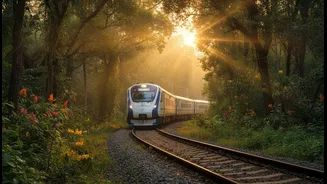
In a world of perpetual hustle, the appeal of slow travel is growing stronger. More travellers are trading the frenzy of airports and the stress of highway traffic for the rhythmic charm of a train journey. This shift is not just about nostalgia; it’s
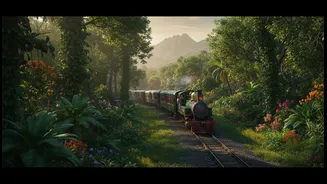
a practical choice for a lower-stress holiday. Train travel allows the journey itself to become part of the vacation. Passengers can watch landscapes transform from urban centres to rural countryside, all from the comfort of their seat. This mode of transport is often more affordable and has a lower carbon footprint compared to flying or driving long distances, aligning with a rising interest in sustainable tourism. For nature lovers, it means arriving at their destination feeling relaxed and ready to explore, rather than exhausted from a taxing commute.
Ranthambore National Park, Rajasthan
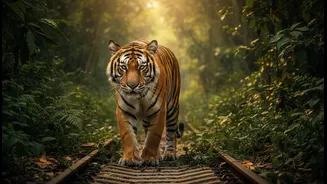
Ranthambore is arguably the best-connected national park in India by rail. The nearest station, Sawai Madhopur (SWM), is a major stop on the Delhi-Mumbai line and is served by numerous trains, including premium ones like the Rajdhani Express. The station is just 10-14 kilometres from the park's main entrance, a short 20-30 minute taxi or auto-rickshaw ride away. This exceptional connectivity makes it incredibly convenient for wildlife enthusiasts from major cities like Delhi, Mumbai, and Jaipur to plan a weekend safari. The Sawai Madhopur station itself has been recognized as a tourist-friendly heritage station, setting the tone for the adventure that lies ahead.
Jim Corbett National Park, Uttarakhand
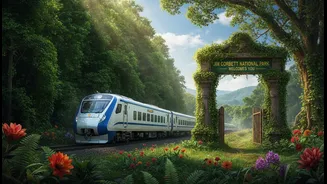
Nestled in the foothills of the Himalayas, Jim Corbett is India’s oldest national park. Its primary rail gateway is Ramnagar Railway Station (RMNR), located just 12 kilometres from the park. Ramnagar is well-connected with direct trains from Delhi, such as the daily Ranikhet Express, which offers a convenient overnight journey. This allows travellers to arrive fresh in the morning, just in time for a safari. The station also has connections to other cities like Moradabad and Bareilly, making it accessible from various parts of North India. For those on a longer itinerary, combining a Vande Bharat Express journey to Dehradun with a connecting road or rail transfer is another viable option.
Kaziranga National Park, Assam
Famous for its one-horned rhinoceroses, Kaziranga National Park in Assam is also accessible by rail, though it requires a bit more planning. The nearest railway station is Furkating Junction (FKG), about 75 kilometres away. Furkating is connected to major cities like Guwahati, Kolkata, and New Delhi. From the station, visitors need to take a taxi or a bus for the remaining leg of the journey, which takes a couple of hours. While Jorhat (90 km) and Guwahati (240 km) are other railway hubs, Furkating offers the closest approach. The train journey through Assam provides breathtaking views of tea gardens and lush landscapes, making it a memorable part of the trip.
The Future of Rail and Nature Tourism
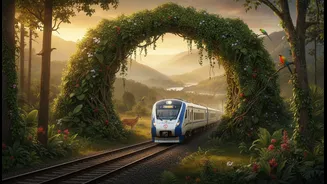
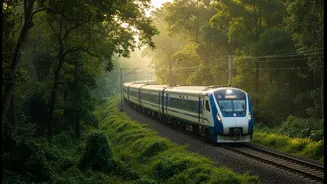
Indian Railways is increasingly recognizing its role in promoting tourism. Initiatives like Vistadome coaches with large glass windows on scenic routes and the introduction of faster trains like the Vande Bharat Express are making rail travel more appealing. These services are bringing travellers closer to destinations like Gir National Park (via Veraval station) and Bandipur National Park (via Mysuru station). Furthermore, a broader cultural shift towards mindfulness, digital detoxes, and authentic experiences is fueling the demand for less hectic travel. As travellers actively seek to escape urban burnout, the simple, grounding experience of a train journey followed by immersion in nature presents an ideal solution.