





As winter arrives, we seal our homes to stay warm and cozy. But in modern apartments, this creates an invisible problem: a buildup of indoor air pollution that can be two to five times worse than the air outside.
The Invisible Guests in Your Home
Everyday life in an Indian home generates
a host of airborne particles. The sizzle of a tadka, the fragrant smoke from agarbattis, and even the fumes from cleaning products all release microscopic pollutants. These include fine particulate matter (PM2.5), which is small enough to enter our bloodstream, and volatile organic compounds (VOCs), which are gases released from paints, new furniture, and air fresheners. While these activities are a normal part of life, the particles they produce can linger in the air, creating a chemical soup that we breathe in daily.
Why Winter Makes It Worse
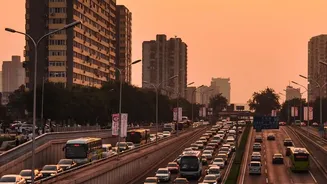
During colder months, we instinctively shut our windows and doors to conserve heat. This common-sense action turns our homes into tightly sealed boxes. Without a steady flow of fresh air, pollutants have nowhere to go. They accumulate and concentrate, meaning the air you breathe is being continuously recycled along with dust, allergens, and fumes from cooking. This issue is compounded by the fact that winter air outside is often more polluted due to weather phenomena, making us even less likely to open our windows and let 'fresh' air in.
The Modern Apartment's Dilemma
The design of modern apartments, built for energy efficiency, plays a significant role in trapping pollutants. Unlike older, draftier houses, today's apartments are constructed to be airtight. While this is great for electricity bills, it severely restricts natural air exchange. Compact layouts common in urban high-rises mean that pollutants from the kitchen can quickly spread throughout the entire home. The very features that make apartments efficient—tight seals and shared walls—can work against our respiratory health by creating pockets of stale, contaminated air.
When Opening a Window Isn't Enough
The simple advice to 'get some fresh air' isn't always practical or effective in winter. Opening a window can let in bone-chilling cold, driving up heating costs. More importantly, if the outdoor air quality is poor—a common scenario in many Indian cities during winter—you might be letting in more pollution than you are letting out. Natural ventilation is unpredictable and depends on weather conditions, leaving a significant gap in maintaining consistently clean indoor air.
Enter Mechanical Ventilation
Mechanical ventilation is a purposeful system that uses fans to control air exchange, actively removing stale indoor air and bringing in fresh air from outside. Unlike just opening a window, it's a controlled process designed to ensure your home 'breathes' properly. This doesn't necessarily mean a complex or expensive system. Mechanical ventilation can be as simple as an exhaust fan in your kitchen or bathroom, or a more advanced whole_home system. The goal is the same:' to systematically push out pollutants and pull in cleaner air.
Simple Solutions for Cleaner Air
The most crucial step is 'source control' right where pollutants are generated. Using a ducted exhaust fan in the kitchen every time you cook is the single most effective action you can take. These fans physically remove cooking fumes, smoke, and moisture from your apartment and vent them outside. Similarly, running the bathroom exhaust fan during and after a shower helps control humidity and prevent mould. These simple devices are the workhorses of mechanical ventilation, actively cleaning your air at the source and preventing pollutants from spreading through your home.