


The Hidden Hazard of Humidity
When you move your fitness routine indoors to escape the rain, you bring the monsoon’s defining feature in with you: humidity. High humidity in the air means it's already saturated with water vapour. This dramatically slows down the evaporation of your sweat.
Instead of cooling you down, sweat pools on your skin, hands, and drips onto your equipment and floor. This not only makes your workout feel harder and increases cardiovascular strain but also creates slick surfaces everywhere. Your body’s ability to regulate its temperature is less efficient, leading to quicker fatigue and an elevated risk of heat-related issues like exhaustion, even when you're not under the sun. This combination of physical fatigue and slippery surfaces is a recipe for accidental falls and injuries.
Your Floor Is The First Risk Zone
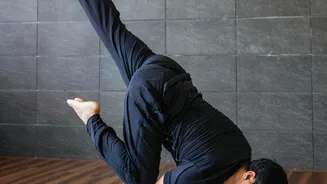
Most Indian homes feature flooring like marble, tile, or polished concrete, which become notoriously slippery with the slightest moisture. During a monsoon workout, the combination of high ambient humidity and your own sweat can turn your floor into a serious hazard. Simply laying down a towel isn't enough. Investing in a quality workout mat is crucial for creating a stable, non-slip foundation. For activities like yoga or floor exercises, look for mats made from materials that handle moisture well. Natural rubber offers excellent grip in most conditions. Interestingly, materials like cork and certain microfibers actually become grippier as they get wetter, making them ideal for humid environments and sweaty hands. If you’re into high-impact training or weightlifting, consider heavy-duty rubber floor mats that absorb shock and prevent slipping.
Secure Your Equipment and Grip
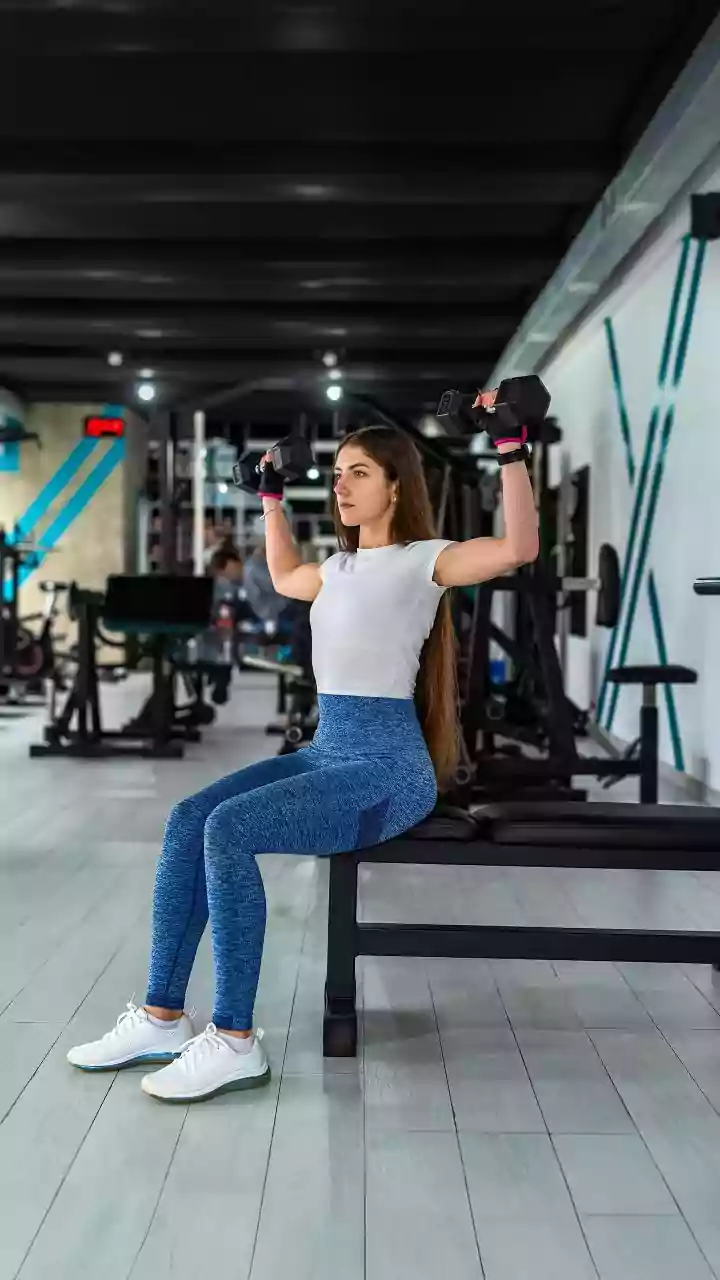
It's not just the floor. The equipment you use is just as susceptible to the effects of humidity. Dumbbell and kettlebell handles can become slick, making it harder to maintain control during lifts and increasing the risk of dropping a weight. Resistance bands can slip out of your hands or off your feet. Even the surface of a yoga block can feel slick. To counter this, consider using tools to enhance your grip. Weightlifting chalk or liquid chalk can significantly improve your hold on weights. For yoga and bodyweight exercises, wearing grip-enhancing gloves or socks can provide the extra traction you need. Make it a habit to keep a dry towel handy to wipe down not just your face and hands, but also your equipment handles between sets.
Rethink Your Footwear (or Lack Thereof)
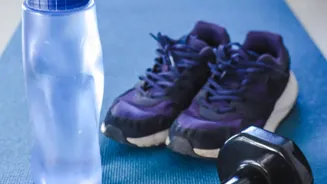
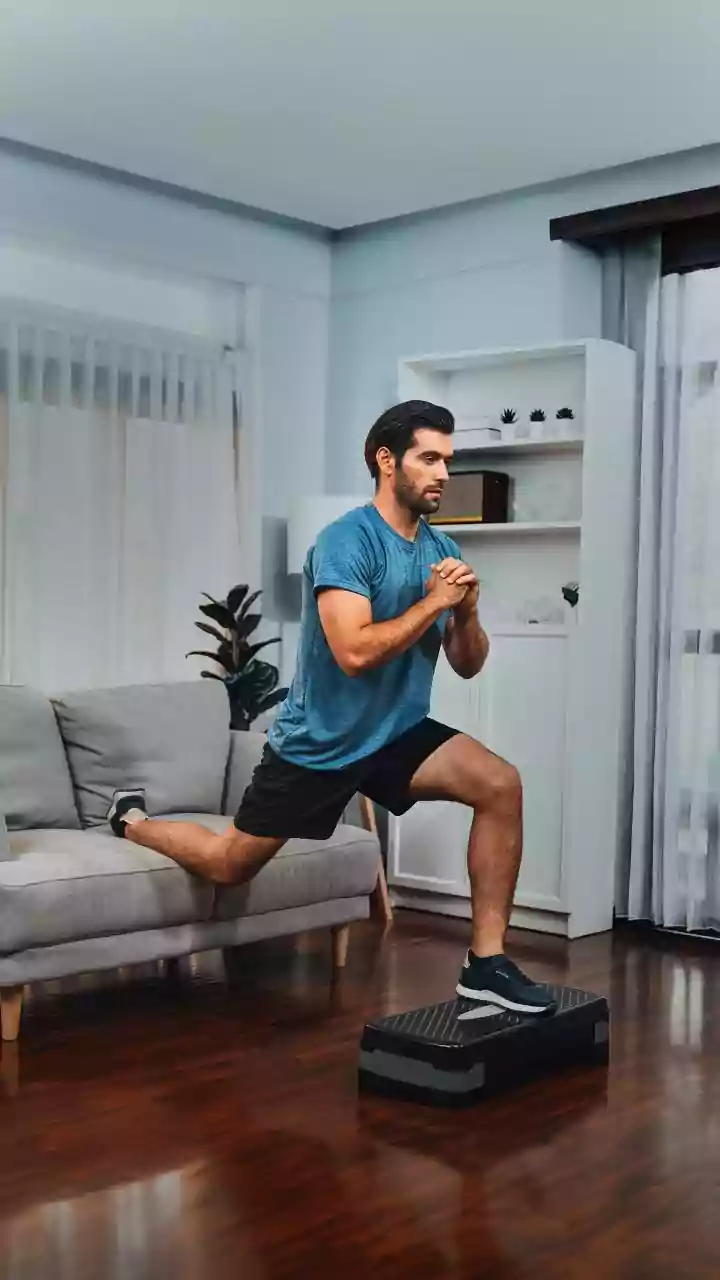
Many people enjoy the freedom of working out barefoot at home, but on a potentially damp floor, this can be risky. Without the tread of a shoe, you have very little to stop your foot from sliding, especially during dynamic movements like lunges, burpees, or HIIT drills. The right indoor training shoes can make all the difference. Look for shoes with a flat, rubber outsole designed for indoor surfaces, as they provide the best traction and stability. Unlike running shoes, which often have thicker cushioning, cross-training shoes offer a more stable base for lifting and lateral movements. Ensure your shoes have a breathable upper, like mesh, to help manage sweat and keep your feet from sliding around inside the shoe itself.
Listen to Your Body and Adjust
Exercising in high humidity is more taxing on your body, period. Your heart works harder, you fatigue faster, and your risk of dehydration is higher. Because of this, it’s vital to listen to your body and adjust your workout accordingly. Don't try to push for a new personal best on a particularly muggy day. Instead, focus on form and consistency. You may need to reduce the intensity or duration of your session. Pay close attention to hydration, drinking water before, during, and after your workout. If you start to feel dizzy, uncoordinated, or excessively tired, it's a clear sign to stop, rest, and cool down. Acknowledging the environmental stress is key to preventing both injuries from slips and overexertion.