






Meet Galangal, Ginger’s Aromatic Cousin
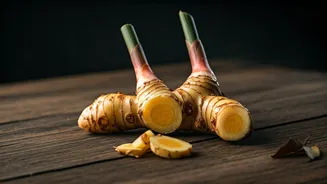
At first glance, you might mistake a piece of fresh galangal for ginger. They are both rhizomes, part of the same plant family, Zingiberaceae, which also includes turmeric and cardamom. However, a closer look reveals the differences. Galangal's skin is smoother,
paler, and often has pinkish tones, unlike ginger’s familiar beige, knobbly exterior. The flesh of galangal is also much denser and harder. While you can easily grate fresh ginger, galangal's fibrous texture means it’s best to slice or mince it very finely with a sharp knife. Sometimes called 'Thai ginger', it's a staple in Thai, Indonesian, and Malaysian kitchens, lending its unique aroma to famous dishes like Tom Yum soup and Massaman curry.
The All-Important Taste Test: Not Just Another Ginger
Here is where galangal truly sets itself apart. While they share a family, they are not flavour substitutes. If you swap one for the other, you will fundamentally change the taste of your dish. Ginger has a pungent, spicy, and slightly sweet flavour that we all know and love. Galangal, on the other hand, is much sharper and more complex. It has a distinct citrusy, pine-like, and peppery taste with an earthy, slightly bitter finish. Some even describe its aroma as medicinal, like menthol. Think of ginger as warm and spicy, while galangal is cool, floral, and zesty. This unique profile is precisely why it can add a new dimension to Indian recipes.
Ayurveda and Health Benefits
Beyond its culinary uses, galangal has a long history in traditional medicine, including Ayurveda, where it is known as 'kulanjan'. It is considered a warming herb that can help balance Vata and Kapha doshas. Traditionally, it has been used for its digestive benefits, helping to stimulate digestive enzymes and alleviate issues like bloating and indigestion. It is also celebrated for its anti-inflammatory properties, which may help with joint pain, and its antioxidant content. Modern herbalists continue to value it for these properties, particularly for digestive and respiratory support.
Bringing Galangal into the Indian Kitchen
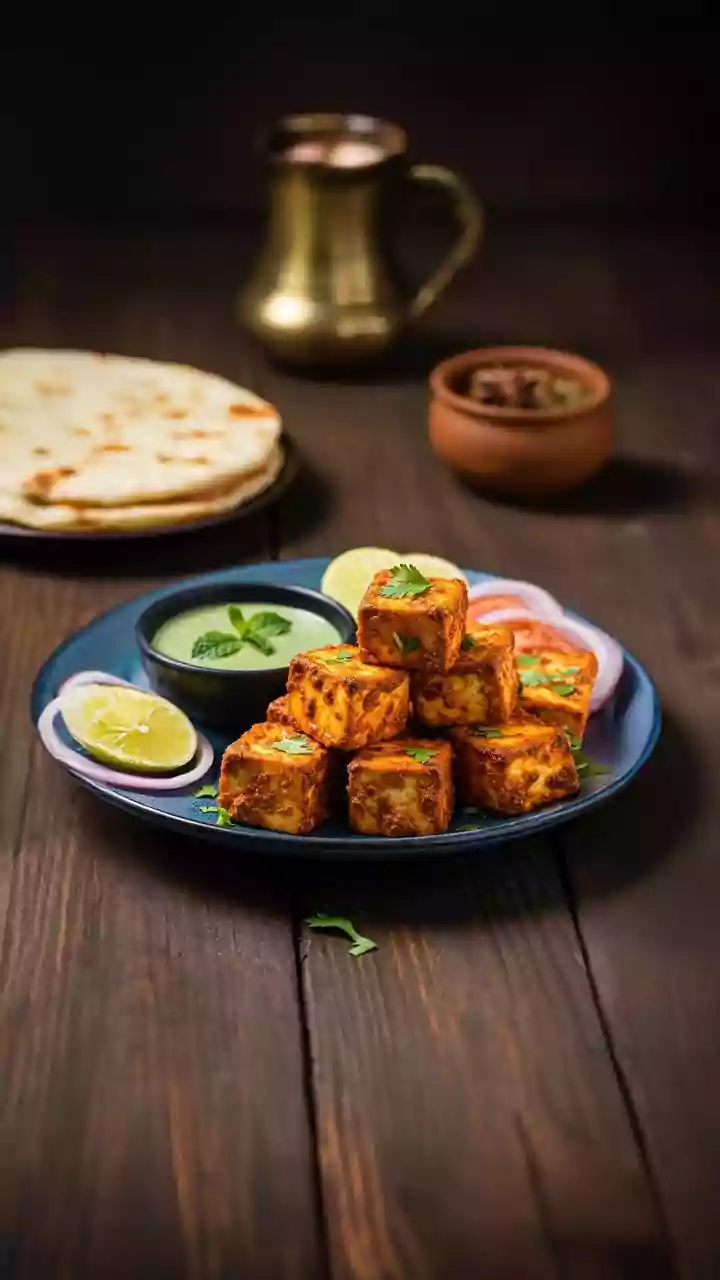
So, how can you use this intriguing spice in everyday Indian cooking? Think about where its citrusy, peppery notes would shine. It's a fantastic addition to seafood dishes; try adding thin slices to a fish or prawn curry to enhance the freshness. Its floral notes pair beautifully with coconut milk, making it a natural fit for coastal curries from Kerala or Goa. You can also use finely minced galangal in marinades for chicken, paneer, or tofu, along with garlic and other spices. For a simple twist, add a small slice to your pot of dal or while brewing your morning chai. The key is to start small, as its flavour is potent, and discover how it complements the spices you already use.
How to Buy and Store It
Fresh galangal might be available at larger supermarkets or specialty Asian grocery stores. When buying fresh, look for firm roots with smooth, unblemished skin. It will keep in the refrigerator for a few days, but for longer-term storage, the best method is to freeze it. To do so, slice the root into thin coins or manageable chunks, place them in a single layer on a tray to freeze, and then transfer them to a freezer-safe bag. This prevents you from ending up with a large, unusable block. Dried and powdered galangal are also available and can be used, though the flavour of fresh galangal is considered superior and more aromatic.