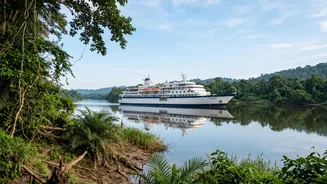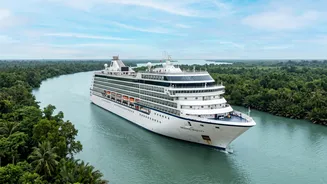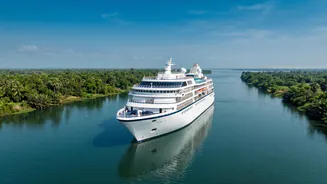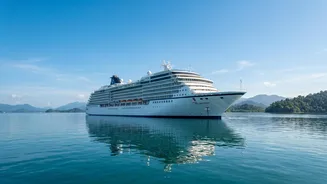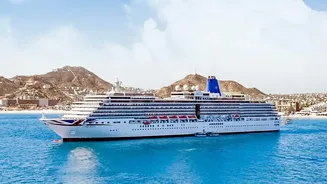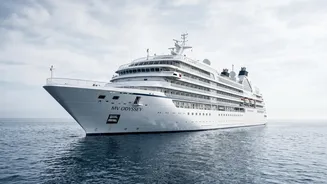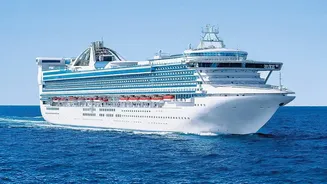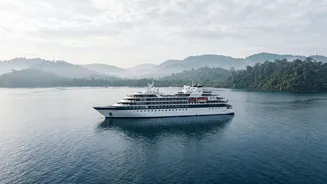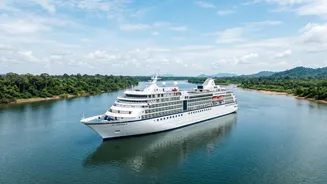





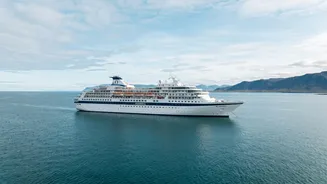
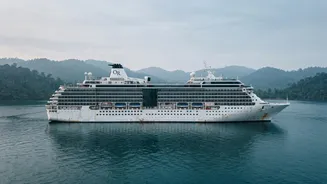
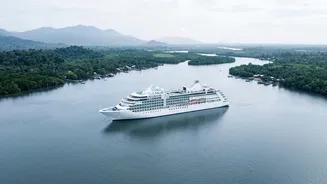
For over 200 passengers, it was the dream of a lifetime: a permanent home at sea, endlessly circling the globe. But that dream has been abruptly suspended in Cambodia, with the MV Odyssey citing soaring fuel costs for halting its voyage.
A Voyage Cut Short
The MV Odyssey,
operated by Florida-based Villa Vie Residences, was not a typical holiday cruise. It was marketed as a residential vessel, where passengers could purchase cabins for long-term or permanent living while circumnavigating the globe over three and a half years. Many residents, mostly Americans, had sold their homes and invested significant savings, with suites costing upwards of $230,000 for the life of the ship. The journey began in Belfast in October 2024 and was meant to continue for years. However, the voyage came to a sudden halt in late October 2026 at the Cambodian port of Sihanoukville. The operator announced the suspension of operations, leaving 203 passengers and 156 crew members in limbo.
The Fuel Cost Crisis
The official reason given by Villa Vie Residences was an 'extraordinary increase' in fuel costs, which placed an 'unsustainable financial pressure' on its operating model. The company stated that monthly fuel expenses, which historically averaged around $1,800 per cabin, had surged to between $6,000 and $8,000 in parts of Asia. This dramatic price hike has been linked to geopolitical instability, including the war in Iran, which has disrupted fuel supplies in the Strait of Hormuz and driven up global oil prices. According to the company's CEO, the ship's monthly fuel bill rose from around $400,000 to $2 million. Efforts to mitigate this by slowing the itinerary and extending port stays proved insufficient to cover the losses.
Passengers Left Stranded
The suspension has been devastating for the ship's residents. Passengers reported receiving as little as seven hours' notice to pack their belongings and disembark the ship in Sihanoukville. While the company's statement mentioned it was working to arrange temporary accommodations, many passengers said they received no support and were forced to make their own arrangements. For many, the ship was their only home. 'There are people now who are homeless and who have very little money and don't know what they're going to do', one retired passenger told CBS News. The crew, which includes 50 Filipino members, also faced uncertainty, with reports of unpaid wages. The Department of Migrant Workers in the Philippines has since confirmed that these crew members will receive their pending wages and be repatriated.
More Than Just Fuel?
While the fuel crisis was the final straw, some passengers believe it was part of a larger pattern of mismanagement. Several residents reported that the company had been struggling for months, pointing to frequent itinerary changes, unreliable internet service, and declining food quality as signs of trouble. Passengers also said they were repeatedly asked to contribute additional money for fuel and other expenses well before the final suspension. In an August message, the CEO had already referred to an ongoing cash-flow problem and requested financial support from residents. This suggests the business model was under strain long before the voyage was halted. More recently, the ship's lender has taken possession of the vessel, which is expected to be moved from Cambodia to Singapore, where it could be auctioned.