


Start With the Right Foundation: Rice and Water
The most fundamental relationship in rice cooking is the ratio of water to rice. It’s also the most common point of failure. Many follow a generic 2:1 rule, but this doesn't account for the type of rice, the cooking vessel, or even the width of your pan,
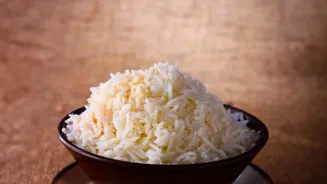
which affects evaporation. For popular long-grain varieties like Basmati, a 1:1.5 ratio (one cup of rice to one-and-a-half cups of water) is a much better starting point. Shorter grain rice is stickier and may require different ratios. To find your perfect ratio, start here. Use the same cup to measure both rice and water, and use the same pan every time. Once you nail this, you have a reliable baseline, and you can move on to isolating other factors.
The Pre-Cook Soak: A Non-Negotiable Step?
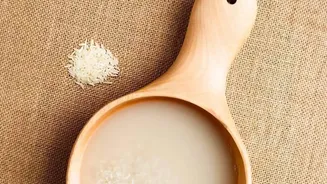
To wash or not to wash? To soak or not to soak? For consistently superior rice, the answer is a firm yes to both. Rinsing rice under cold water until it runs clear is vital for removing excess surface starch. This starch is what causes grains to become gummy and clump together. After rinsing, a 30-minute soak can be transformative. Soaking allows the grains to hydrate evenly, which reduces cooking time and helps prevent the dreaded combination of mushy exteriors and hard centres. It also enhances the natural aroma of fragrant varieties like Basmati and Jasmine. Soaking helps break down compounds that can make rice harder to digest, improving nutrient absorption. Once you start soaking, you may need to slightly reduce your cooking water, so adjust your baseline ratio by a few tablespoons and see how it works.
Mastering the Heat and the Vessel
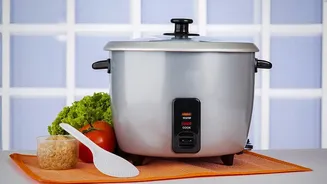
How you apply heat is another critical variable. Whether you use a heavy-bottomed pot, a pressure cooker, or a dedicated rice cooker, consistency is key. For a standard pot on the stove, the common method is to bring the rice and water to a boil, then immediately reduce the heat to the lowest possible setting, cover with a tight-fitting lid, and let it simmer without peeking. Lifting the lid releases steam and pressure, disrupting the cooking process. A typical simmer time is 10-15 minutes, but this depends on your stove and rice type. The goal is to let the rice gently absorb the water until it's gone. Avoid the temptation to stir the rice while it's cooking; this breaks the delicate grains and releases starches, leading to a mushy texture.
The Power of Patience: Letting it Rest
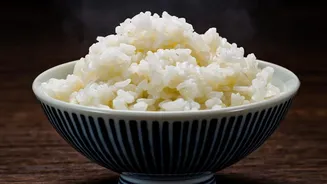
One of the most overlooked yet crucial steps happens after the heat is turned off. Letting the rice rest, covered and undisturbed, for 5 to 10 minutes is essential for achieving a perfect texture. During this time, the magic happens: the residual steam redistributes throughout the pot, ensuring every grain is evenly cooked and has the same moisture level. This resting period allows the starches to set properly, transforming the grains from delicate and fragile into firm and distinct. Skipping this step is why rice can sometimes be wet at the bottom and dry at the top. After resting, fluff the grains gently with a fork, not a spoon, to separate them without crushing them.
Putting It All Together: Your Rice Experiment
Becoming a master of rice cooking is about becoming a scientist in your own kitchen. Don't try to change everything at once. For the next three times you cook rice, focus only on perfecting your water-to-rice ratio. Once that's consistent, introduce a 30-minute soak and see how it changes the result, adjusting your water slightly. Then, focus on your resting time. By changing only one variable at a time, you can clearly see the impact of each adjustment. This methodical approach removes the guesswork and turns a frustrating task into a foolproof technique. You'll move from hoping for good rice to expecting it, every single time.