




Come January 2027, the rulebook governing Indian aviation will be completely rewritten. This isn't just a minor update; it's a foundational shift that promises to change how you see and book domestic flights. Here's what's coming.
Out With the Old, In With the New
The Indian government
has officially notified the Bharatiya Vayuyan Niyam, 2026, a new set of aviation rules that will come into effect on January 1, 2027. This new framework will replace the Aircraft Rules of 1937, a set of regulations that have governed the country's skies for nearly nine decades. The shift is designed to modernise the entire aviation ecosystem, covering everything from aircraft safety and maintenance to personnel licensing. For the everyday traveller, however, the most significant changes are centred on two key areas: fare transparency and the government's power to regulate prices during unusual circumstances.
The Push for Unmatched Transparency
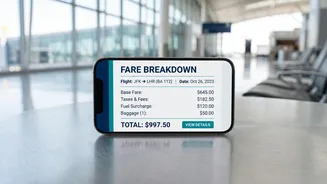
Perhaps the most impactful change for consumers is the mandate for radical transparency in ticket pricing. Starting in 2027, airlines will be required to provide a complete and itemised breakdown of the total amount you pay for a ticket. This means the price you see will have to clearly separate the base fare, taxes, and any other fees. More importantly, for the first time, airlines must explicitly and separately display their cancellation charges and refund conditions at the time of booking. This move is intended to put an end to the frustration of discovering hidden charges or confusing refund policies after a purchase is made. It empowers you, the passenger, to make a fully informed decision by comparing the true, all-in cost across different carriers.
Government's New 'Emergency' Powers
Another major provision in the new rules grants the Central Government the authority to intervene in airfare pricing during 'extraordinary situations'. Under Rule 192 of the new framework, if the government believes intervention is necessary in the public interest, it can issue written directions to airlines regarding their tariffs for a specified period. This power, previously held by the Directorate General of Civil Aviation (DGCA), now moves directly to the Centre. However, the rules do not define what constitutes an 'extraordinary situation', leaving it to the government's discretion. This is not a return to price caps, but rather a tool to be used temporarily during crises, such as natural disasters or public health emergencies, to prevent extreme price gouging.
So, Will Your Tickets Actually Get Cheaper?
This is the question on every traveller's mind. The short answer is: not necessarily. The new rules do not introduce a routine cap on airfares. In normal circumstances, airlines will continue to set their prices based on market dynamics like operational costs, passenger demand, and competition, just as they have since fares were deregulated in 1994. The goal of the policy is not to artificially lower prices across the board but to ensure you know exactly what you're paying for and to provide a safeguard against sudden, exorbitant price hikes during a crisis. While greater transparency might lead to more competitive pricing on things like fees and cancellation policies, the base fares themselves will likely still fluctuate with the market.
How to Be a Smarter Booker in 2027
The new landscape calls for a slightly adjusted booking strategy. First, get into the habit of looking beyond the headline fare. Always examine the detailed price breakdown to compare the 'total payable amount'. An attractive base fare could be less appealing once you factor in other charges. Second, pay close attention to the newly mandated cancellation charges and refund conditions displayed upfront. This information is crucial for booking with confidence, especially if your travel plans are not set in stone. Finally, continue to use tried—and—true methods for finding good deals : book in advance , be flexible with your travel dates , and compare options across multiple platforms . The new rules give you more information , and using that information wisely will be your best tool for navigating the domestic travel market.