






The New Voices of Young India
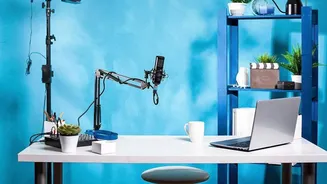
While metro cities have long dominated the narrative of Indian content creation, the real disruption is now happening in the country's Tier-2 and Tier-3 cities. Armed with just a smartphone, a basic microphone, and an internet connection, young creators
are building media empires from their bedrooms. The Indian podcasting market is experiencing explosive growth, with listenership doubling to 200 million in 2025 alone and projected to grow at a staggering rate. This boom is primarily fuelled by the accessibility of technology and a growing hunger for content that reflects the lived realities of people outside the major urban centres. For Gen Z, a generation that has grown up online, podcasting offers a low-barrier entry into content creation, allowing them to bypass traditional gatekeepers and speak directly to an audience that looks and sounds just like them.
It’s All About Vernacular
The single most powerful driver of this trend is language. The future of Indian podcasting is overwhelmingly regional. Over 65% of new podcast listeners prefer content in their native languages, a figure driven by the massive adoption of smartphones in non-metro regions. Creators in cities like Indore and Patna are leveraging this by producing shows in dialects and languages—from Hindi and Bhojpuri to Marathi and Tamil—that resonate deeply with local populations. This isn’t just about translating English concepts; it’s about creating entirely new conversations rooted in local culture, humour, and shared experience. This linguistic authenticity is their superpower, allowing them to build a level of trust and relatability that slickly produced English or Hinglish shows often struggle to achieve. By speaking the language of their communities, they are making content that feels less like a broadcast and more like a conversation between friends.
From Local News to Life Advice
The content these creators are producing is as diverse as India itself. While globally popular genres like comedy and interviews are also present, the regional boom has given rise to a rich variety of hyperlocal topics. You'll find podcasts discussing local politics, recounting regional folklore, offering career guidance for students in smaller cities, and providing a space for conversations about mental health in a culturally specific context. Some focus on hyperlocal news that mainstream media might overlook, while others simply tell stories about everyday life, finding the extraordinary in the ordinary. This content fills a significant gap, catering to niche interests and serving communities that have historically been underserved by mainstream media. The result is a vibrant ecosystem of shows that are deeply relevant to their specific audiences.
Building Hyperlocal Communities
For these Gen Z creators, success isn't just measured in download numbers; it's about building a genuine community. The intimate, personal nature of audio fosters a strong bond between host and listener. Many creators extend this connection to social media, using platforms like Instagram to interact directly with their fans, solicit ideas for new episodes, and create a sense of shared identity. A creator in Patna might find their most engaged listeners are within a few kilometers, leading to real-world meetups and a loyal local following. This hyperlocal focus creates a powerful feedback loop. The audience feels seen and heard, and the creator gains a dedicated base that is deeply invested in their success, creating a level of engagement that larger, more impersonal media brands can only dream of.
The Challenge of Making it Pay
Despite their growing influence and listener base, monetisation remains the biggest hurdle for regional podcasters. Many national brands and advertisers still focus their budgets on the major metro markets, making it difficult for creators in cities like Indore to attract significant ad revenue. However, a new playbook is emerging. Creators are diversifying their income streams through direct fan support on membership platforms, local sponsorships from businesses in their own cities, and offering workshops or creating digital products. While the road to financial sustainability is challenging, the growing professionalisation of the creator economy and a slow but steady recognition from brands about the value of these engaged, vernacular audiences suggest that the monetisation models are beginning to mature.