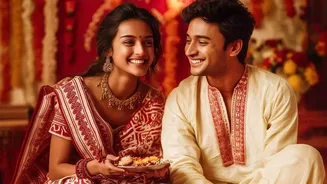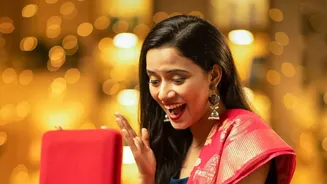




The familiar exchange of mithai boxes and dry fruits during festive seasons is quietly making way for a new trend. Urban Indians are increasingly choosing to gift experiences over objects, investing in memories that last longer than any gadget.
Moving Beyond Material Gifts
For generations,
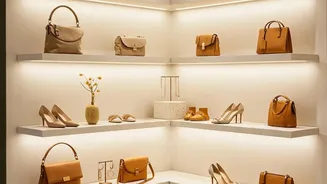
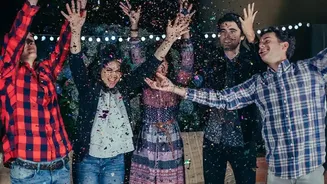
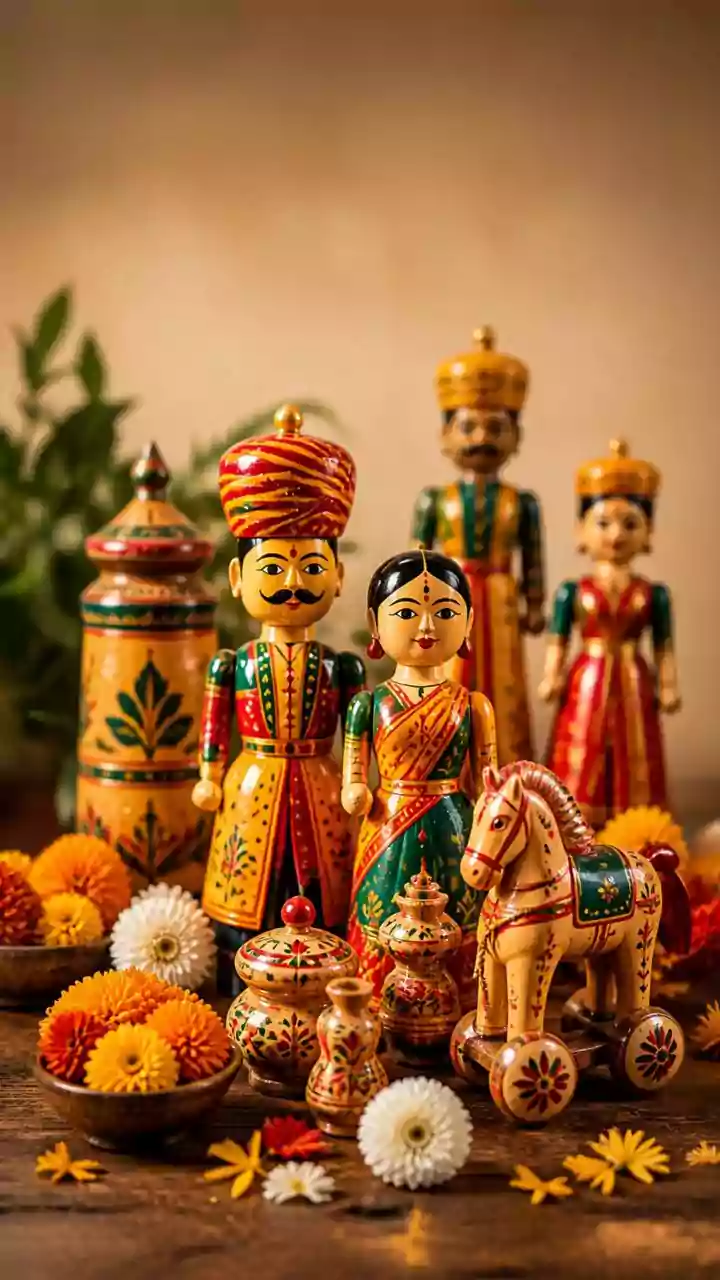
festive gifting in India has followed a familiar script: sweets, new clothes, electronics, or household items. While these gifts are cherished, a sense of fatigue has set in, especially among younger urban populations. Many households are already cluttered with material possessions, and the joy of receiving another generic item can be fleeting. The conversation is shifting from 'what did you get?' to 'what did you do?'. This change reflects a broader global movement where people are finding more long-term happiness and satisfaction from life experiences rather than material goods. The focus is now on creating stories and shared moments, which are seen as more valuable than ever before.
The Search for Personal Connection
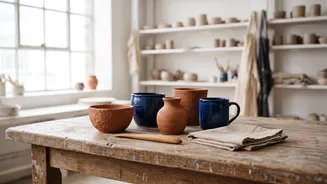
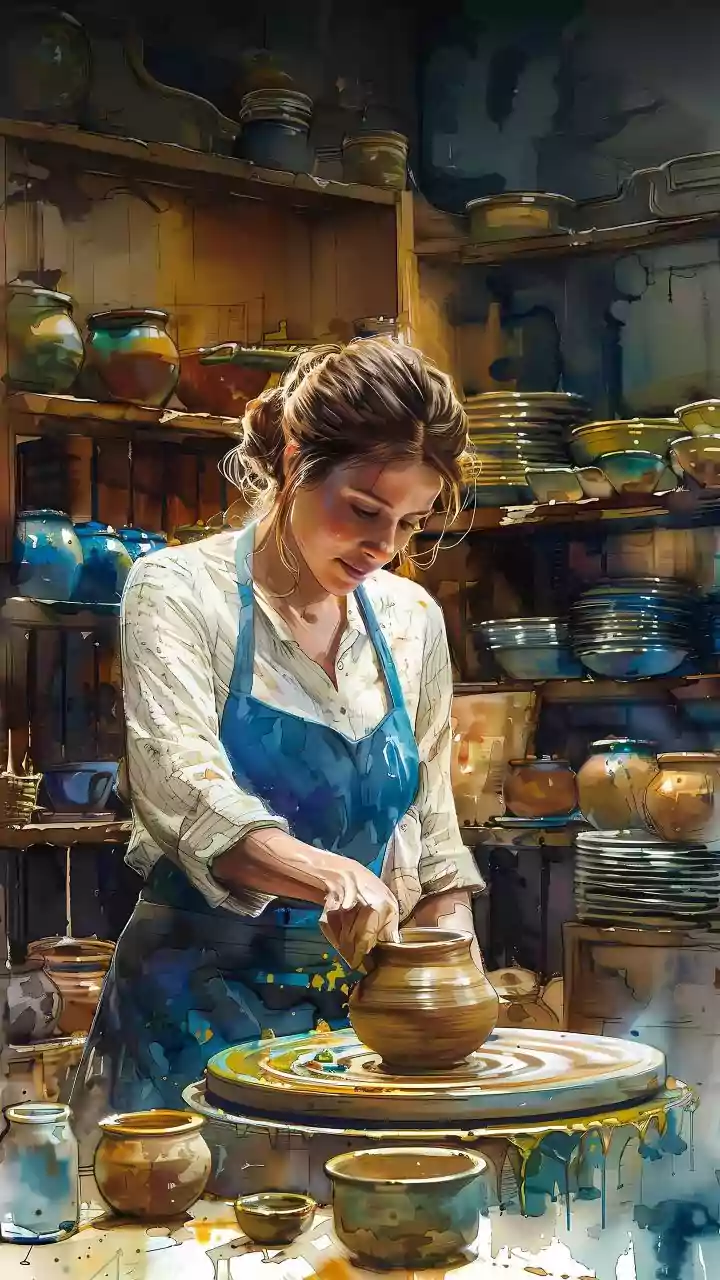
One of the biggest drivers of this trend is the desire for more personal and thoughtful presents. An experience—be it a pottery workshop for an artistic friend or a gourmet cooking class for a foodie couple—shows a deep understanding of the recipient's passions. It communicates care and effort in a way a mass-produced product often cannot. This move towards personalisation is particularly strong among millennials and Gen Z, who prioritise emotional connection and authenticity in their relationships. They are looking for gifts that tell a story and strengthen bonds, making the act of giving more meaningful and less transactional.
What Do Experience Gifts Look Like?
The options for experience-based gifts in India are vast and growing. They range from thrilling adventures to relaxing wellness sessions. Popular choices include private dining experiences, weekend getaways to nearby resorts or glamping sites, and tickets to concerts or live performances. For those seeking adventure, there are packages for activities like paragliding, hot air balloon rides, or even overnight camel safaris. On the creative and wellness front, workshops for cocktail-making, painting, or pottery are in high demand, as are Ayurvedic spa treatments and wellness retreats. These gifts offer a refreshing break from routine and a chance to learn something new.
The Influence of Digital Discovery and Social Media
The rise of the experience economy is closely linked to our digital lives. Social media platforms like Instagram have become powerful tools for discovering unique activities, from hidden cafes to exciting local tours. Sharing these experiences online has become a form of social currency, and a gift that is 'social-media worthy' holds a special appeal, particularly for younger generations. Recent surveys show that a significant number of young consumers now turn to online search and even AI for gift inspiration, moving beyond traditional recommendations. This digital_first approach to discovery makes it easier than ever to find and book unique experiences, fuelling the trend's growth.
At its core, the preference for experiences reflects a generational shift in what is considered valuable. While older generations might have prioritised the utility and permanence of a physical gift, younger Indians often value transience and memorymaking. They are more likely to spend on travel, food, and personal growth activities. This shift is not just about changing tastes but also about a reevaluation of what it means to live a good life. As disposable incomes rise, the focus is less on accumulation and more on enrichment. Gifting an experience is a direct investment in a person's happiness and wellbeing, making it a powerful expression of care in the modern age.