







The Smart Traveller’s Secret: Shoulder Season
For years, young Indian travellers have flocked to Southeast Asia for its intoxicating mix of affordability, culture, and adventure. The short flight times and friendly visa policies make it an easy first international trip. But savvy travellers know
the real magic happens during the “shoulder season.” This is the sweet spot between the chaotic, expensive peak season and the washout of the monsoon. It’s a period that offers the best of both worlds: lower prices, fewer people, and surprisingly pleasant weather. By targeting these specific months in Thailand and Vietnam, you can trade crowded attractions and peak-season hotel rates for a more relaxed and affordable experience, often with significant savings.
Thailand’s Window: When to Go and What to Expect
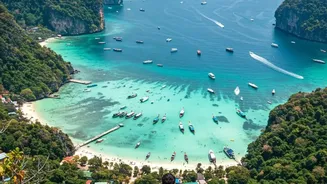
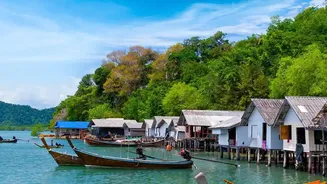
Thailand's peak tourist season runs from November to February, when the weather is cool and dry. However, the shoulder seasons—typically April to June and again from September to October—are when the deals appear. During these months, you can expect flight prices from India to drop, especially if you book a few weeks in advance. Luxury hotels in hotspots like Phuket, Krabi, and even Bangkok often cut their rates significantly, sometimes by 30-50%, making that five-star resort suddenly feel attainable. While there might be occasional rain showers, especially in the later part of the season, they are usually brief and followed by sunshine, leaving plenty of time for exploring temples or relaxing on less-crowded beaches.
Unlocking Vietnam’s Varied Climate
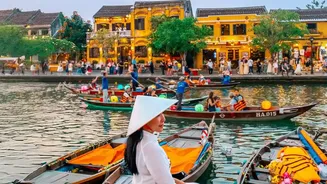
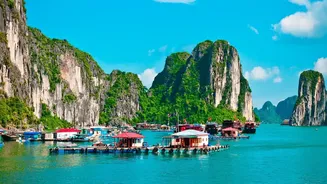
Vietnam’s long, narrow shape means its weather varies dramatically from north to south, so the shoulder season depends on where you want to go. Generally, the months of April-May and September-November are considered great times to visit to find deals. In the north, around Hanoi and Ha Long Bay, September to November offers golden rice terraces and cooler, dry weather. For Central Vietnam, home to the charming towns of Hoi An and Hue, the period from February to May is ideal before the main rains begin. In the south, including Ho Chi Minh City, the shoulder months bring lush green landscapes and lower prices. Across the board, these periods see fewer tourists, better hotel availability, and lower flight costs from India.
Finding the Deals on Flights and Stays
The claim of “cheap flights and luxury rooms” isn’t just a headline; it’s a reality for those who plan smartly. Airlines often run promotions during these less-competitive months. For example, round-trip flights to Bangkok can be found for much lower prices compared to the December peak. Similarly, a luxury beachfront resort in Da Nang or a boutique hotel in Chiang Mai that seems out of reach during peak season can offer tempting discounts or 'stay three, pay two' nights deals during the shoulder months. The key is flexibility. Searching for flights mid-week and booking your accommodation in advance can lock in the best prices. This strategy allows your budget to stretch further, upgrading your entire travel experience from standard to premium.
Know Before You Go: Visas for Indian Travellers
Easy visa access is a major reason for Southeast Asia's popularity. For Thailand, as of September 2026, Indian passport holders can enter without a visa and stay for up to 30 days. This visa-exemption scheme makes last-minute trips incredibly easy. For Vietnam, Indian citizens need to obtain a visa in advance, but the process is straightforward with the 90-day e-visa being the most popular and convenient option. The cost is minimal, and the application is done entirely online. Always check the official embassy websites for the latest rules before booking, as policies can change.