






The Allure of the Aesthetic
We’ve all been there: standing in a gourmet food aisle, captivated by a beautifully designed tin adorned with intricate patterns and elegant fonts. Marketers know that a visually appealing package suggests a premium product. It hints at luxury, heritage,
and an exceptional experience. But while there’s nothing wrong with appreciating good design, it’s crucial to remember that packaging, however lovely, tells you very little about the quality or character of the tea inside. Authenticity in tea is a sensory journey that starts long before the leaves are packed. It’s about understanding the story behind the sip, a story of geography, craftsmanship, and culture.
The Language of the Leaf
Just like wine, authentic tea speaks of its 'terroir'—the unique combination of soil, climate, and altitude that shapes its flavour. India, a giant in the tea world, offers a stunning diversity of terroirs. The high-altitude slopes of Darjeeling produce delicate, floral teas often called the 'Champagne of Teas'. The hot, humid plains of Assam yield bold, malty black teas that form the backbone of a strong cup of chai. Down south, the Nilgiri hills offer fragrant, smooth teas with their own distinct profile. Understanding where a tea comes from is the first step in appreciating its unique personality. A single-origin tea, hailing from a specific estate, offers a pure taste of that specific place, an experience that blended commercial teas often cannot replicate.
From Garden to Cup: The Process Matters
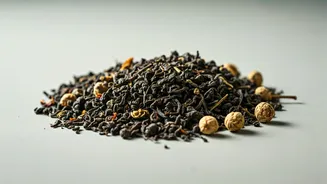
How a tea leaf is processed is just as important as where it grew. In India, two main methods dominate: Orthodox and CTC. Orthodox processing is the traditional method, where leaves are carefully rolled to preserve their structure. This technique is used to create nuanced, complex loose-leaf teas—the kind where you can see the whole, twisted leaves. These teas release their flavours gently and are meant for savouring. On the other hand, CTC (Crush, Tear, Curl) is a faster, mechanized process designed for mass production. It breaks the leaves into small, hard pellets that infuse quickly, producing a strong, dark liquor. This is the tea that typically goes into tea bags and is perfect for a robust masala chai that needs to stand up to milk and spices. Neither method is inherently 'better', but they serve different purposes. Knowing the difference helps you choose the right tea for the right occasion.
The Ritual and The Routine
In India, tea is far more than a simple beverage; it's a cultural cornerstone. It's the 'chai' that starts the morning, the welcome offered to any guest, and the lubricant for conversations at roadside stalls across the country. This daily ritual is its own form of authenticity. Appreciating authentic tea doesn't mean you have to abandon your beloved masala chai. Instead, it invites you to elevate it. By choosing a high-quality, full-bodied Assam loose-leaf tea, you provide a richer canvas for your spices. By being mindful of the journey those leaves took, from a specific garden to your cup, you deepen your connection to a tradition that spans centuries.
How to Find the Real Deal
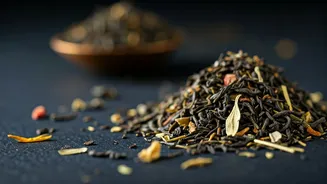
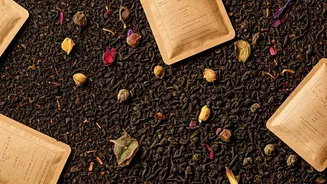
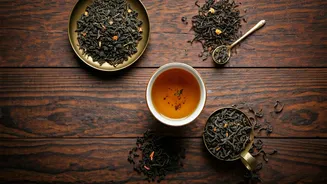
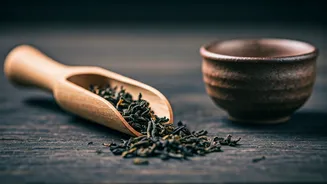
So, how do you look beyond the pretty tin? Start by engaging your senses. Look for whole, unbroken leaves rather than dust or fragments—a sign of careful handling. The dry leaves should have a fresh, vibrant aroma, not a stale or dusty one. Reputable sellers will provide information about the tea's origin, the harvest date, and the processing method. Don't be afraid to ask questions. Start with samplers to explore different regions and styles without committing to a large quantity. Trust your own palate. The best tea is ultimately the one you enjoy the most, and finding it is a rewarding journey of discovery.