





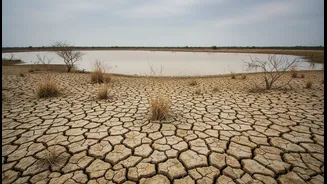


The Numbers: A Statewide Deficit
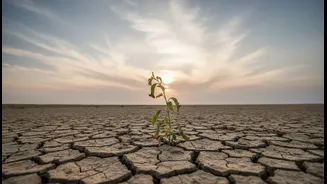
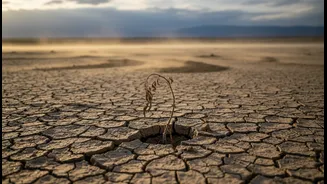
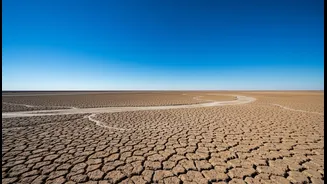
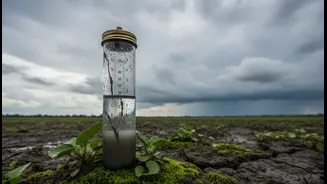
As of early July 2026, Goa's monsoon story is one of numbers, and they paint a worrying picture. The state is grappling with a seasonal rainfall deficit of nearly 27%. While a brief, heavy spell in late June and early July brought some relief and hope
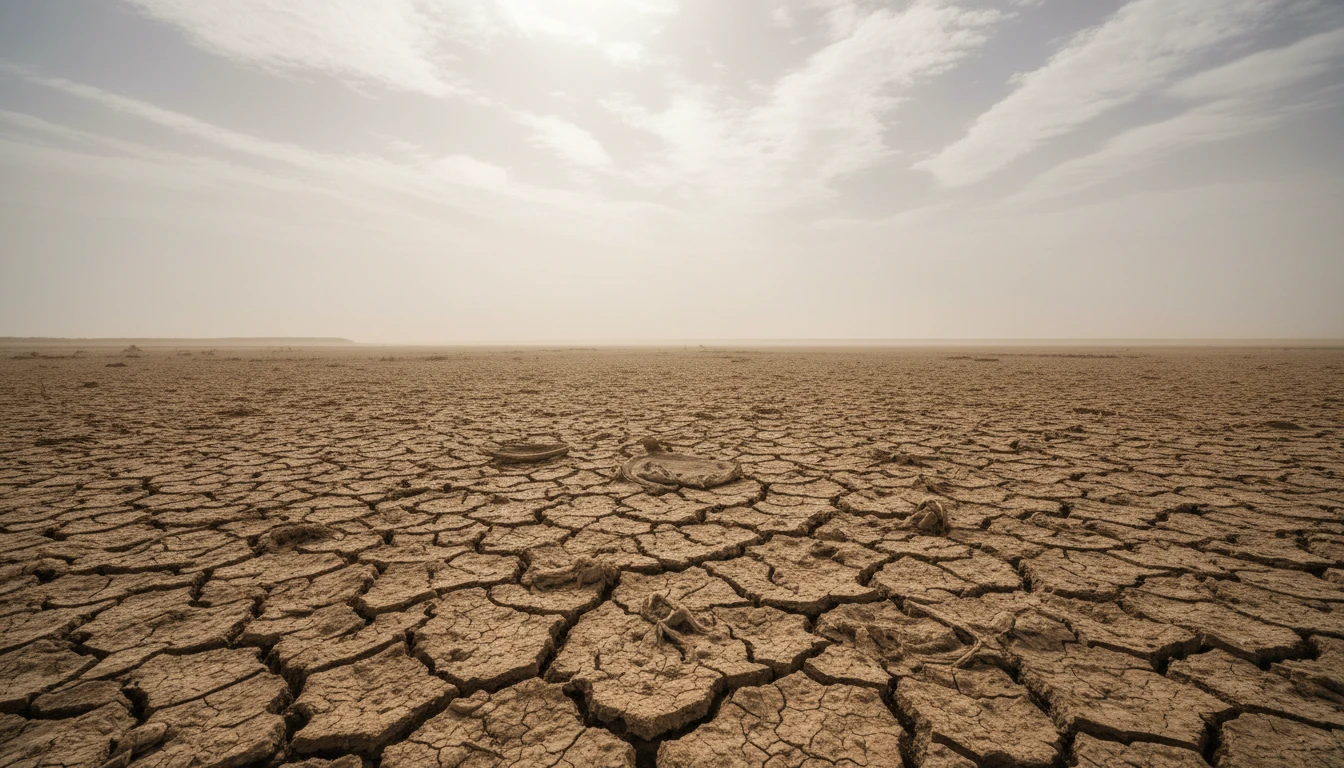
to farmers, the monsoon quickly weakened again. According to the India Meteorological Department (IMD), the total rainfall received is significantly below what is considered normal for this time of year. July, typically the wettest month, has so far seen only light to moderate showers, failing to deliver the intense downpours needed to close the gap. This deficit started in June, which saw 34% less rain than average, making it one of the driest Junes in recent memory.
Why the Dry Spell?
The culprit behind the weak monsoon is a lack of strong, supportive weather systems. According to the IMD, the systems that typically drive heavy rainfall over the Konkan coast, including Goa, have been feeble. Without these powerful offshore troughs and low-pressure areas, the monsoon winds lack the moisture and momentum to deliver sustained, widespread downpours. The result has been more sunny days and higher-than-normal temperatures, with the mercury climbing nearly three degrees above average, leading to sultry and uncomfortable conditions. While forecasts predicted an active spell in early July, it did not fully materialize with the expected intensity, and the monsoon entered a drier phase again.
Impact on Agriculture and Water
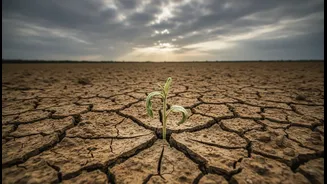
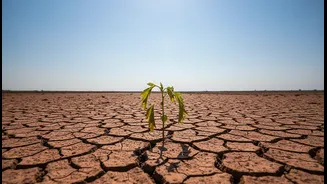
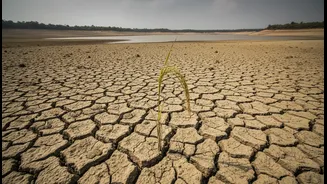
The weak monsoon poses a direct threat to Goa's agricultural heartland. Farmers are in a precarious position. The delayed and insufficient rains disrupt the crucial paddy sowing and transplanting schedule. While water levels in some dams rose during the brief heavy showers, the overall deficit threatens the long-term water security for the rabi (winter) crop season, which depends on groundwater and reservoirs recharged by the monsoon. A prolonged dry spell could impact not just paddy, but also winter crops and summer horticulture like mango and cashew, which rely on a healthy water table. Though officials have stated there is no immediate water shortage, the situation remains fragile.
What This Means for Travellers
For tourists, a weak monsoon presents a mixed bag. The obvious upside is more sunshine and fewer cancelled plans due to relentless rain. Beach walks and exploring forts like Chapora and Aguada become more feasible. However, the quintessential Goan monsoon experience—lush, dripping greenery and roaring waterfalls like Dudhsagar—may be less dramatic. More critically, a water deficit could potentially lead to water supply issues in some areas, which is a key consideration for accommodation. Many beach shacks and watersports activities, which typically close during the rough seas of a normal monsoon, remain shut. Essentially, you might get drier weather, but you might also miss out on the full, dramatic beauty of Goa in the rains.
What's Next? The Forecast
Looking ahead, the forecast offers a sliver of hope, but caution remains the key word. The IMD has forecast moderate rainfall over the next few days but expects the monsoon to remain in a rather subdued mode overall. Some models suggest that after July 10, the state might enter another deficient phase before any potential revival. The situation is fluid, and monsoon dynamics can change rapidly. The broader forecast for the country, influenced by developing El Niño conditions, points towards a weaker monsoon season overall, which could continue to impact rainfall patterns in Goa. For anyone in Goa or planning to travel, staying updated with the latest IMD forecasts is the most reliable way to navigate the unpredictable weather.