


Why High Altitudes?
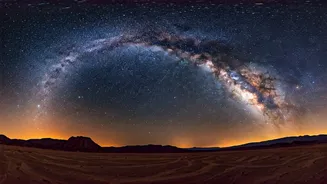
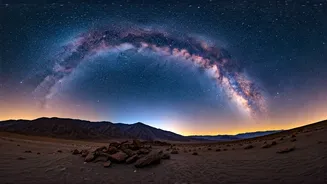
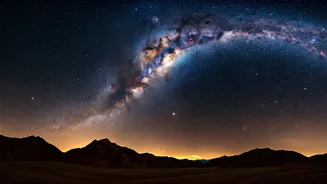
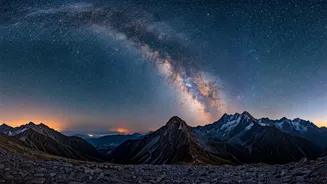
The appeal of a high-altitude trek goes beyond just escaping the heat. At higher elevations, the air is thinner, drier, and contains fewer pollutants and dust particles. This means less atmospheric distortion, which is the enemy of any stargazer. The light
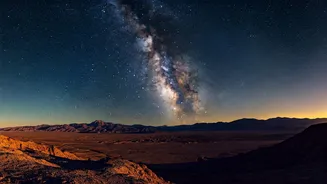
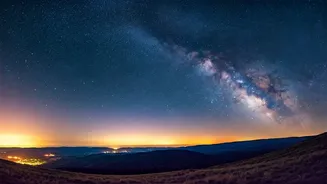
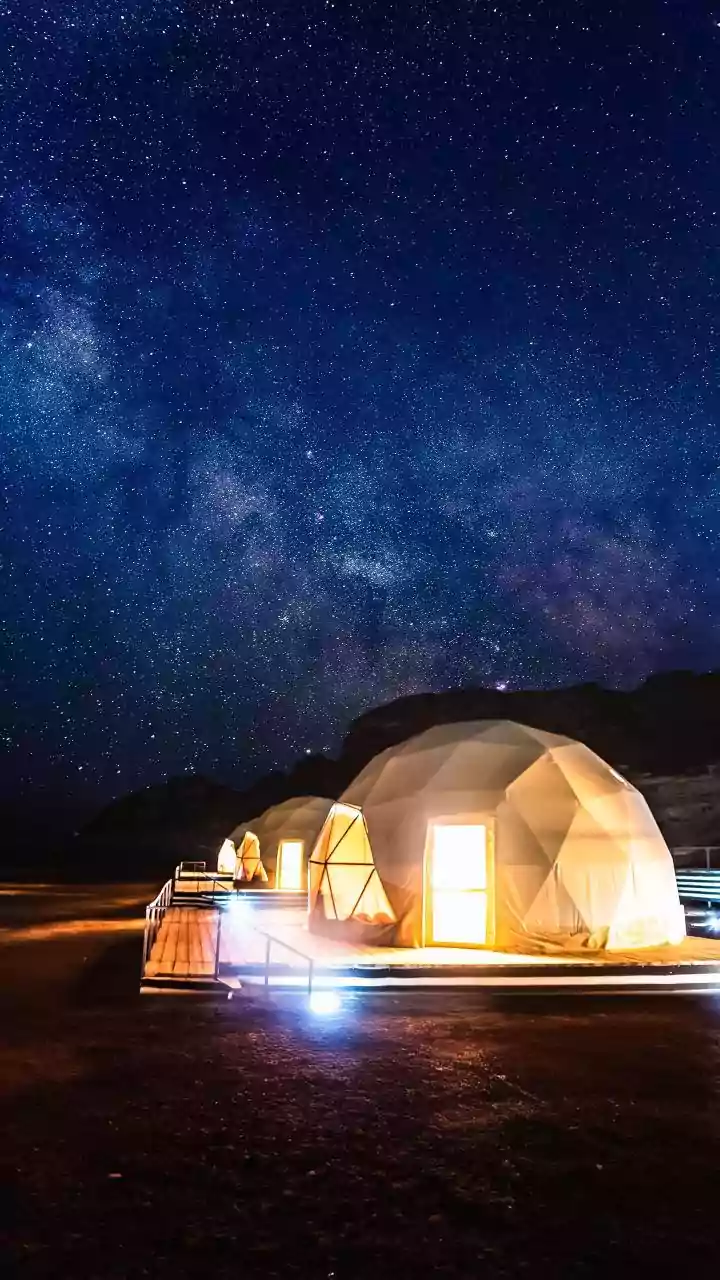
from distant stars and galaxies has a clearer, more direct path to your eyes. Furthermore, these remote locations are far from the light pollution of cities, which can obscure all but the brightest celestial objects. In the mountains, the darkness is profound, allowing the Milky Way to splash across the sky in its full, glorious detail. It’s a double victory: your body cools down while the universe opens up.
Spiti Valley, Himachal Pradesh
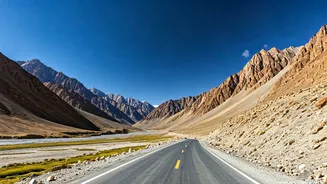
Often called 'Little Tibet,' the cold desert of Spiti Valley is a stargazer’s paradise. With villages situated at altitudes above 3,000 metres, the region boasts some of the darkest and clearest night skies in India. The stark, moon-like landscape by day transforms into an astronomical theatre by night. Key viewing spots include the villages of Kibber, Komic (one of the world’s highest motorable villages), and the area around Dhankar Monastery. Treks here are challenging but rewarding, taking you through ancient monasteries and remote hamlets. On a clear, moonless night, you can easily spot the Andromeda Galaxy with the naked eye and witness meteor showers in unparalleled clarity.
Ladakh, Union Territory
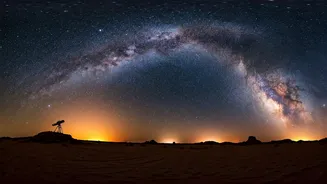
Ladakh is synonymous with high-altitude adventure, and its reputation for celestial viewing is legendary. The entire region is a designated conservation area for dark skies, with the Hanle Observatory housing one of the world's highest-located telescopes for astronomical observation. While Hanle itself is restricted, the trekking routes around Leh, particularly the Markha Valley trek or the journey towards Pangong Tso, offer phenomenal stargazing opportunities. The dry, stable air and extreme altitude create perfect conditions. Camping by the shimmering waters of Tso Moriri or Pangong Tso and watching the stars reflect on the lake is an experience that stays with you forever. The sheer number of visible stars is overwhelming, a humbling reminder of our place in the cosmos.
Roopkund Trek, Uttarakhand
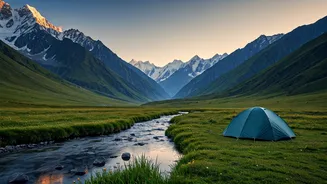
While famous for its mysterious 'Skeleton Lake,' the Roopkund trail in Uttarakhand is also a fantastic corridor for stargazing. As you ascend through lush forests of oak and rhododendron into the high-altitude meadows (bugyals) like Ali Bugyal and Bedni Bugyal, the sky opens up dramatically. These vast, rolling grasslands offer unobstructed 360-degree views, perfect for setting up a tripod or simply lying back and watching the celestial show. The trek is a journey through changing landscapes, culminating in the stark beauty of the high Himalayas. Camping at these bugyals at over 3,300 metres provides a cool respite from the plains and a front-row seat to the Milky Way, constellations, and the occasional satellite zipping across the inky blackness.
Know Before You Go
A high-altitude stargazing trek requires careful planning. Acclimatization is non-negotiable; ascend slowly and allow your body a day or two to adjust to lower oxygen levels before undertaking strenuous activity. The best time for most of these treks is typically from June to September, when the weather is clearer and the high passes are open. Pack layers of warm clothing, as temperatures plummet after sunset, even in summer. Essentials include a sturdy pair of trekking shoes, a headlamp with a red-light mode (to preserve night vision), a basic medical kit, and any personal medications. While you can use stargazing apps on your phone, consider bringing a printed star chart or a pair of binoculars to enhance your experience without relying on a glowing screen.