




The Science Behind the Silence
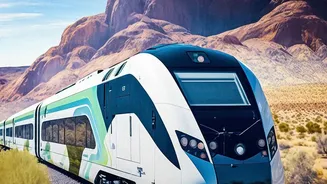
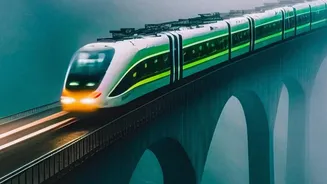
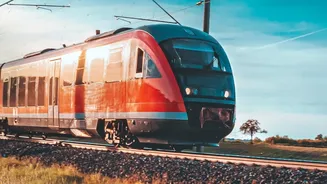
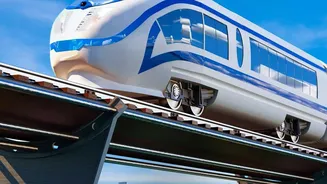
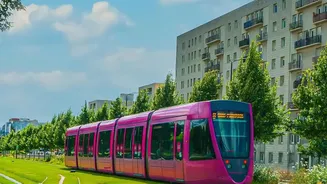
At first glance, a hydrogen train looks like any other modern locomotive, but its power source is revolutionary. Instead of a diesel engine, it uses a fuel cell. Inside this cell, hydrogen stored in onboard tanks reacts with oxygen taken from the air.
This electrochemical reaction generates electricity to power the train's motors, with the only by-products being heat and water vapour. There's no combustion, which means no soot and a significant reduction in noise and vibrations compared to their diesel counterparts. Many designs also include batteries that store excess energy, such as that captured during braking, to provide an extra boost when accelerating or climbing steep gradients, making the system highly efficient.
A Perfect Match for Heritage Lines
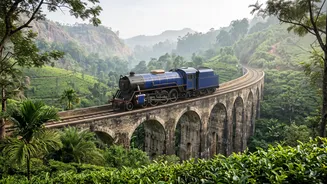
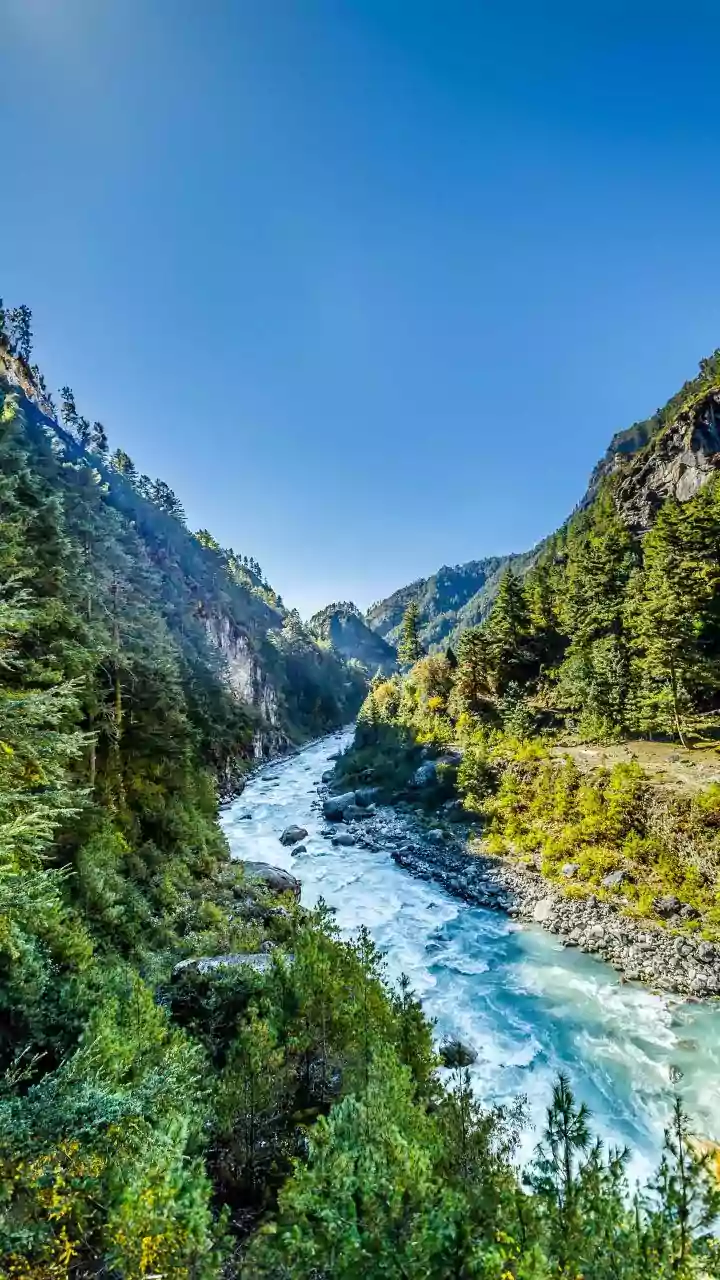
Heritage railways, often running through areas of outstanding natural beauty, face a unique challenge: preserving the past without harming the environment for the future. Diesel trains, while more practical than steam, still produce harmful emissions and noise that can disrupt the tranquillity of scenic routes. Hydrogen trains offer a solution that aligns perfectly with the conservation ethos. Their near-silent operation means passengers can enjoy the journey and the surrounding nature without disturbance. The absence of emissions helps protect the local air quality and the historic infrastructure itself, which is often vulnerable to the grime produced by fossil fuels. It is a way to ensure these beloved lines can be enjoyed by generations to come, sustainably.
Pioneering the Scenic Route
This technology isn't just a concept; it's already in motion. Germany launched the world's first hydrogen-powered passenger train, the Coradia iLint, in 2018. More recently, in September 2026, manufacturer Stadler unveiled the first hydrogen train designed specifically for narrow-gauge lines, with plans for deployment on picturesque routes in Sicily, Sardinia, and Calabria in Italy. These trains are custom-built for challenging terrains, from coastal paths to the steep gradients around Mount Etna. In the UK, the Severn Valley Railway has pioneered the conversion of a classic diesel shunter locomotive to run on hydrogen, demonstrating how existing heritage stock can be retrofitted for a green future.
The Indian Railways Vision
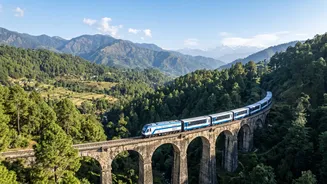
India is also making significant strides with its "Hydrogen for Heritage" initiative. Following the successful launch of a 10-coach hydrogen train on the Jind-Sonipat section in July 2026, Indian Railways announced plans to deploy this technology on its iconic mountain railways. The Kalka-Shimla Railway, a UNESCO World Heritage site, is a prime candidate for this green transition. The challenging terrain, with its numerous tunnels, makes overhead electrification difficult and potentially damaging to the line's heritage status. Hydrogen trains provide a zero-emission alternative that can navigate these routes while preserving their unique character, offering a glimpse into a future where India's most cherished railway journeys are also its cleanest.