





The New Festive Splurge
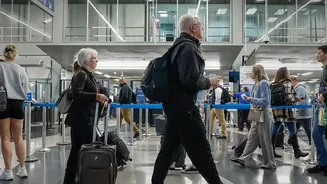
For many, travelling during Diwali or Christmas is an annual ritual. This year, however, the cost of that ritual has skyrocketed. One-way tickets on high-demand routes like Mumbai to Patna have reportedly crossed the ₹25,000 mark. A combination of factors,
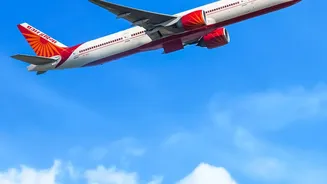
including elevated jet fuel prices, airspace restrictions, and dynamic airline pricing, is contributing to the surge. Airlines have also adjusted their capacity, leading to fewer available flights on some popular routes, which further fuels the price hikes. Despite surveys indicating that a majority of flyers are paying significantly more than last year, booking momentum remains surprisingly strong, especially among the millennial and Gen Z demographic.
Experience Over Everything
So, what’s driving this willingness to spend? The answer lies in a fundamental shift in priorities. For a growing number of young Indians, travel is no longer a discretionary luxury but a non-negotiable part of their lifestyle. Post-pandemic, the desire for experiences, wellness, and making up for lost time has taken precedence over traditional saving habits. According to MakeMyTrip's Founder, Deep Kalra, many young Indians are taking six or more trips a year, with some even reaching double digits. This reflects a powerful sentiment: investing in memories with loved ones is seen as more valuable than the money saved by staying home. This mindset encourages many to stretch their budgets for an unforgettable experience rather than cancel plans altogether.
The 'Work from Anywhere' Revolution
The normalisation of remote and hybrid work has been a game-changer. The ability to work from anywhere has untethered professionals from their office desks, allowing them to blend work and leisure seamlessly. Instead of a single long holiday, many now opt for four to six shorter 'workations' throughout the year. This makes a high-cost festive trip more justifiable, as it can be extended into a longer stay without dipping into limited vacation days. Cities like Bengaluru and Mumbai, and even quieter destinations like Varanasi and villages in Sikkim, are becoming popular hubs for these 'digital nomads'. This flexibility allows travellers to book mid-week flights or choose longer layovers to manage costs, making expensive destinations more accessible.
Financing the Wanderlust
The surge in travel spending is also being enabled by a new generation of financial tools. The 'Travel Now, Pay Later' (TNPL) model has matured, with numerous platforms offering travellers the ability to book flights and hotels on EMI, often without a credit card. These services allow consumers to split the cost of their trip into manageable instalments over several months, making a large upfront payment less of a barrier. The convenience of booking travel through UPI has also contributed, particularly in Tier 2 and Tier 3 cities where spending on travel has seen significant growth. This easy access to credit is empowering young professionals to lock in their travel plans immediately, even if their salary is days away.
From Goa to Bangkok
While domestic favourites like Goa, Puri, and Udaipur remain top choices, there is a growing appetite for international travel. According to search data from Agoda, nearby international destinations are seeing a massive surge in interest for the festive period. Bangkok and Phuket in Thailand are top-searched cities, while Vietnam is also gaining significant attention with searches for Phu Quoc rising 124%. Sri Lanka has seen the highest growth, with searches increasing by nearly 262% year-on-year. This shows that young travellers are not just spending more, but are also becoming more adventurous, using the festive break to explore new cultures and cuisines abroad.