




Choose Your Monsoon Champions
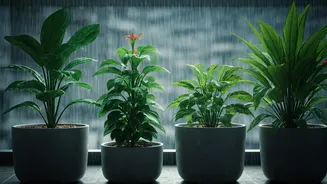
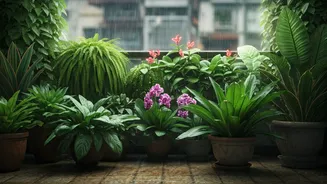
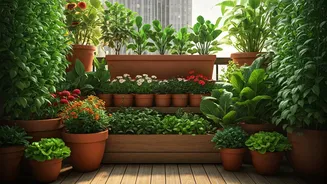
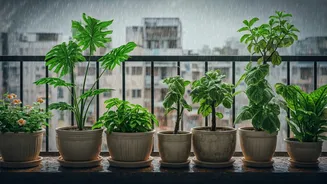
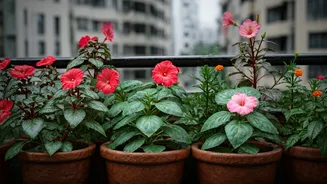
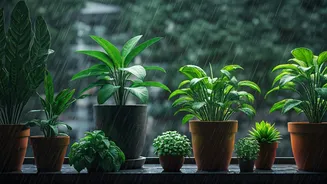
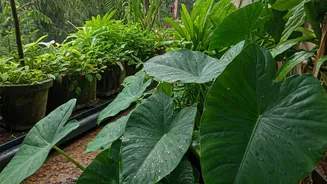
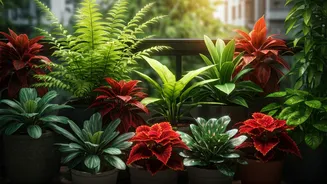
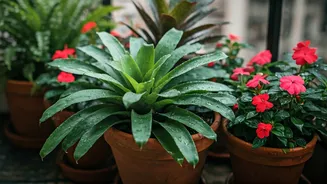
The key to a successful monsoon garden is selecting plants that thrive in high humidity and regular rain. Many tropical plants that love these conditions will flourish. [8] Consider flowering plants like the vibrant Hibiscus, cheerful Marigolds, and elegant
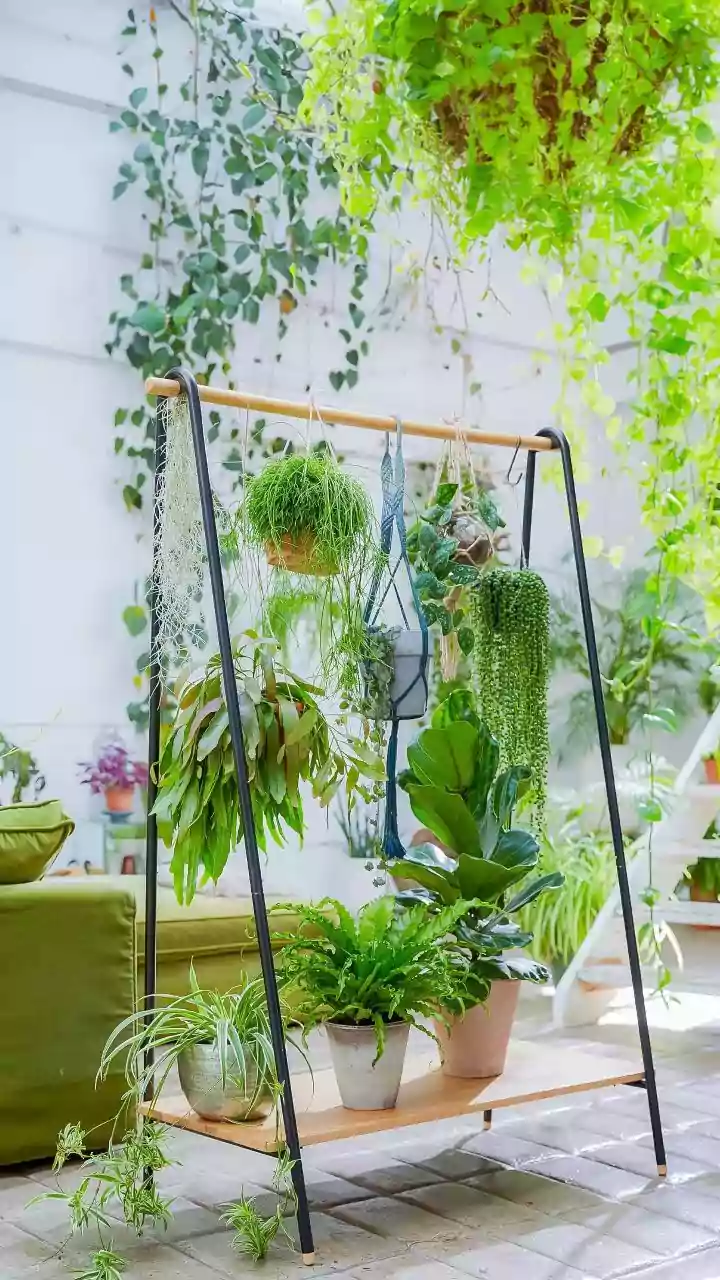
Rain Lilies, which often bloom after a shower. [5, 7, 2] For a mix of beauty and utility, fast-growing herbs like mint and coriander are excellent choices. [8] Foliage plants such as Money Plant (Pothos), ferns, and Syngonium also adore the monsoon climate, adding shades of green to your space. [8] Starting with these resilient, monsoon-friendly options sets you up for a rewarding gardening experience.
The Right Foundation: Pots & Soil
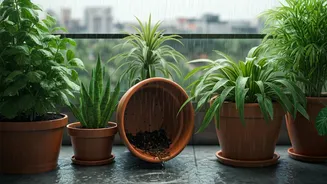
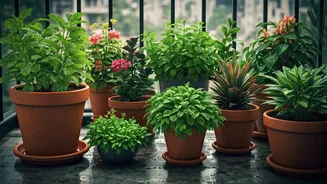
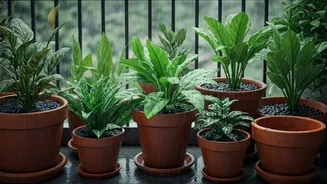
The single most critical factor for container gardening in the monsoon is drainage. [10, 11] Heavy rain can easily waterlog pots, leading to root rot, which is a common killer of balcony plants. [4] Ensure every pot you use has multiple drainage holes. [10] Terracotta pots are a good choice as they are porous, but lightweight grow bags are also excellent as they prevent waterlogging. [11] To further improve drainage, you can place pots on small bricks or stands to lift them off the floor, allowing excess water to escape freely. [10, 20] The ideal potting mix should be light and well-draining. A combination of garden soil, cocopeat for moisture retention, and compost for nutrients is a great start. [3] Adding sand or perlite can further enhance drainage, which is crucial during the rainy season. [5]
Monsoon Care: Water, Pests, and Protection
While the rain provides natural irrigation, it's a common mistake to assume your plants don't need monitoring. [5] Overwatering is a major risk, so always check if the top inch of soil is dry before manually watering. [20] The increased humidity also creates a perfect breeding ground for pests like aphids, mealybugs, and various fungal diseases. [4, 5] Regularly inspect the undersides of leaves for any signs of trouble. [3] A preventive spray of neem oil solution every 10-14 days can help keep many common pests and fungal issues at bay. [5, 13] It's also wise to prune dead or yellowing leaves to improve air circulation around your plants, which helps reduce the risk of disease. [4]
Positioning for Success: Sun and Shelter
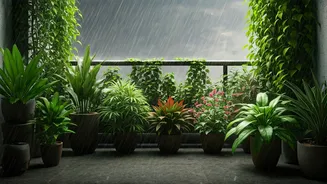
Where you place your pots on the balcony can make a huge difference. Strong monsoon winds and torrential downpours can physically damage plants, breaking stems and tearing leaves. [4, 9] Grouping pots together can help create a microclimate where they offer each other some protection from the elements. [9] If possible, move more delicate plants to a spot with some overhead cover, like under an eave or against a wall, to shield them from the full force of heavy rain. [3, 20] Taller plants might need to be secured with stakes to prevent them from toppling over in strong gusts. [5] Also, remember to rotate your pots weekly so that all sides of the plants receive adequate light and air, promoting even growth. [5]