







A Garden of Constraints
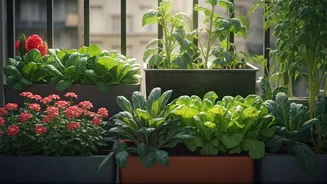
A traditional garden sprawls. It has the luxury of space, of deep soil, of an open sky. An urban garden, by contrast, is an exercise in creative rebellion. It’s born from constraints. A six-foot balcony in a Mumbai high-rise, a sun-drenched windowsill
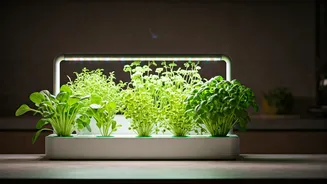
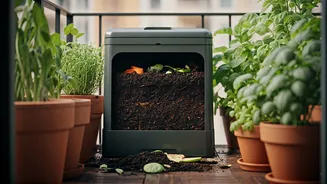
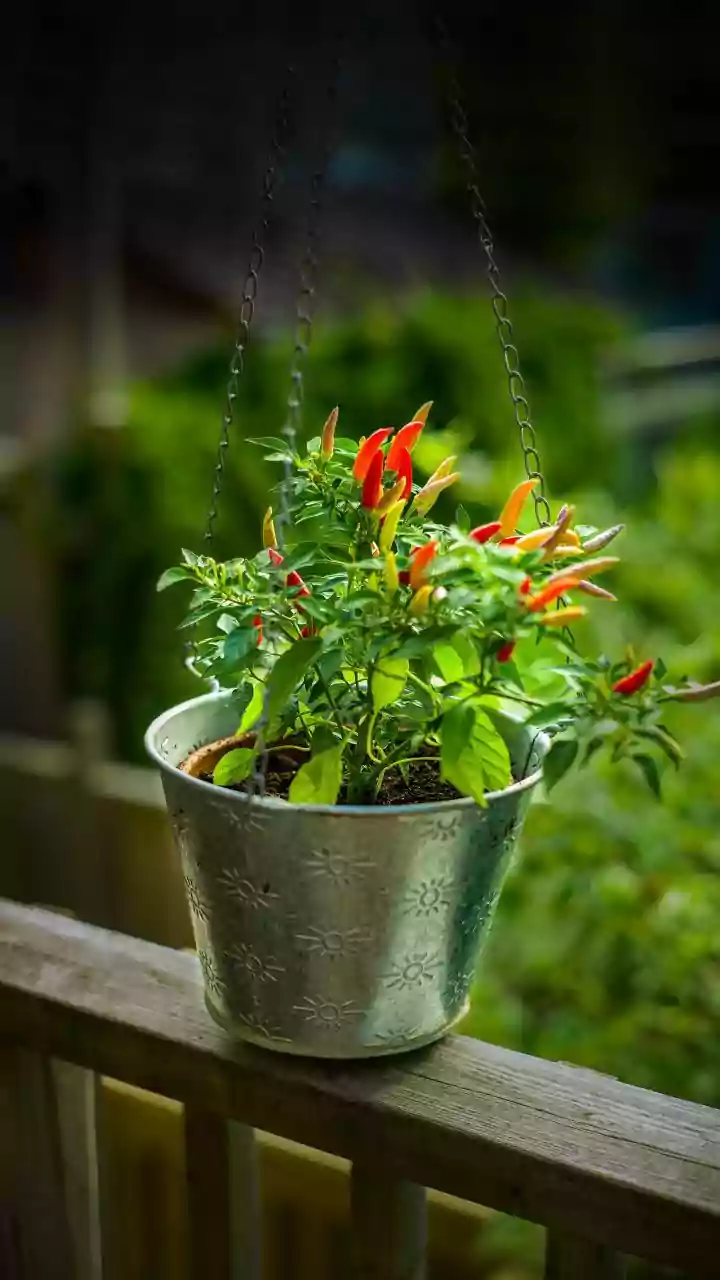
in a Delhi apartment, or a small patch on a Bengaluru terrace—these are the canvases. This limitation is not a weakness; it’s the source of its unique character. Urban gardeners become masters of ingenuity. We learn the art of vertical farming before it’s a buzzword, coaxing creepers up a trellis made of discarded wire. We discover which vegetables thrive in grow bags and which herbs can flourish in a recycled plastic bottle. Every square inch is precious, every drop of water is accounted for. This isn't just gardening; it's a form of design, engineering, and problem-solving, making every bloom and every fruit feel like a hard-won trophy.
The Community Crop
In a sprawling village, a garden can be a private sanctuary. In a dense city, it often becomes an accidental community hub. The aunty on the floor below offers a cutting from her legendary rose bush. The techie next door shares tips on a new organic pesticide he found online. Suddenly, conversations are sparked over shared walls and in building WhatsApp groups—not about leaky pipes, but about the best time to plant tomatoes. Community gardens, slowly taking root in Indian metros, formalise this connection. They turn strangers into neighbours who bond over weeding, watering, and the shared joy of a successful harvest. This social dimension is perhaps the most profound difference. In an urban landscape often defined by anonymity, a garden becomes a reason to connect, to share knowledge, and to build relationships that are as organic as the soil itself.
An Antidote to the Urban Rush
City life runs on a clock of deadlines, traffic jams, and notifications. It’s a relentless forward momentum. A garden operates on a different timeline—a slower, cyclical one. Planting a seed is an act of faith and patience. Watching it sprout, grow, and eventually bear fruit is a lesson in a rhythm that the urban world has forgotten. It’s a form of forced mindfulness. You cannot rush a plant. This deliberate slowness is a powerful antidote to urban anxiety. The simple, repetitive tasks of watering, pruning, and checking for pests provide a tangible, screen-free focus. It’s a connection to the natural world’s cycles of growth, decay, and rebirth, offering a sense of stability and perspective that is often missing when your entire world is concrete and glass.
From Pot to Plate: A New Connection
We live in an age of hyper-convenience, where food is delivered in 10 minutes, its origins a complete mystery. Urban gardening rewrites this narrative. There is a primal, almost magical satisfaction in plucking a few curry leaves from your own balcony pot for the morning’s poha, or slicing a tomato you grew yourself into a salad. It tastes different. Not just because it’s fresh, but because it carries a story—a story of your care, your patience, and your effort. This tiny act closes the vast gap between consumer and producer. It fosters a deep appreciation for the resources and time that go into creating food, a perspective easily lost in the aisles of a supermarket. Each meal featuring homegrown produce becomes a small celebration of self-sufficiency and a direct connection to the source of your nourishment.