






The New Engines of Consumption
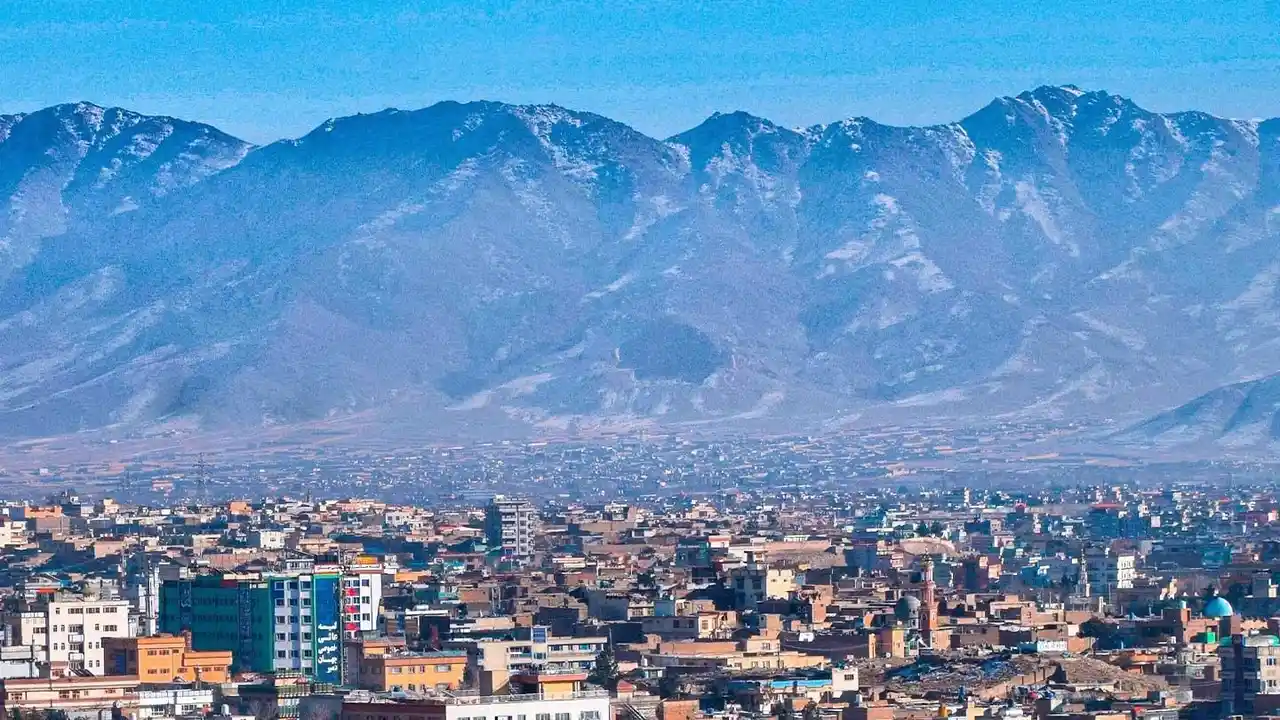
For years, brands focused their energy on Mumbai, Delhi, and Bengaluru. Today, cities like Jaipur, Lucknow, Indore, and Surat are becoming powerful consumer markets in their own right. This isn't a minor trend; it's a structural realignment. These non-metro
markets, often referred to as 'Urban Bharat', are no longer just catching up but are creating their own demand. Recent reports show that Tier-2 and Tier-3 cities now account for over 60% of all e-commerce orders in India. The affluent population in these smaller cities has surged by 76% in the last six years, indicating a sharp rise in purchasing power and a growing appetite for premium products. This shift is so significant that rural consumer demand has outpaced urban demand for five consecutive quarters, according to a NielsenIQ report.
Digital Access Unlocks Aspirational Spending
The single biggest catalyst for this change has been the digital revolution. The combination of affordable smartphones, cheap data, and the Unified Payments Interface (UPI) has democratised access to commerce. With internet penetration growing much faster in rural and semi-urban areas than in saturated metros, consumers in smaller towns now have the same exposure to brands, trends, and products as their urban counterparts. This digital fluency has turned latent demand into active consumption. Consumers are not just buying necessities; they are making aspirational purchases across fashion, beauty, electronics, and lifestyle categories, often influenced by social media and online content. In fact, Tier-2 markets are now outpacing metros in the growth of fashion and beauty sales.
What 'Bharat' Is Buying
The consumption basket in Tier-2 and Tier-3 cities is diversifying rapidly. While fashion remains a huge category, there's surging demand for advanced skincare, digital-first brands, and even premium goods like jewellery. Quick commerce is also a major driver, creating new consumption habits for items like energy drinks and premium snacks that were previously bought offline. This growth isn't just limited to products. Spending on international travel and education is also on the rise, with non-metro cities accounting for a majority of foreign exchange demand for leisure travel. This shows a fundamental shift in mindset, where consumers are confident and willing to spend on experiences and long-term goals, not just immediate needs.
How Brands Are Adapting
Winning in these markets requires more than just a copy-paste of the metro strategy. Brands are realizing that authenticity and local connection are crucial. Successful strategies involve using vernacular advertising, partnering with regional influencers, and ensuring products are consistently available in local stores. Since many consumers in these regions are first-time buyers of certain products, brands have a unique opportunity to build lasting loyalty. This has led to a rise in direct-to-consumer (D2C) brands that can reach customers nationwide from day one, often bypassing traditional distribution hurdles. Major e-commerce players are also investing heavily in logistics and ultra-fast delivery to close the service gap between metros and smaller cities.