




Why Visit After the Rains
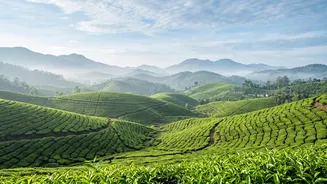
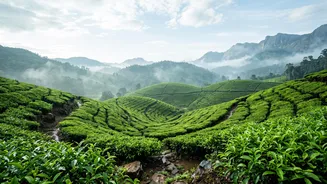
The period from September to November is arguably the best time to witness Wayanad in its full glory. After months of monsoon showers, the landscape is transformed into a vibrant paradise. The air is crisp, the waterfalls are still thunderous, and the sprawling
tea and coffee plantations are impossibly green. This season offers a perfect balance: the dramatic beauty of the monsoon without the constant downpours, making it ideal for sightseeing and outdoor activities. With fewer crowds than the peak winter season, you can enjoy the tranquility of this hilly district at a leisurely pace. The weather is pleasantly cool, perfect for exploring the winding roads and soaking in the panoramic views.
Your Journey from Bengaluru
The 280-kilometre journey from Bengaluru to Wayanad is an adventure in itself. The most popular and efficient route is by car via Mysuru and Gundlupet on NH 766. This drive takes approximately six to seven hours, offering smooth roads and scenic vistas. Be mindful that the route passes through the Bandipur Tiger Reserve, which has a strict travel ban from 9 PM to 6 AM, so plan to cross the forest stretch during the day. For a more relaxed journey, numerous overnight KSRTC and private buses connect Bengaluru to Kalpetta, the main town in Wayanad. Fares are budget-friendly, and you arrive fresh in the morning. While there's no direct train to Wayanad, you can take a train to Kozhikode (Calicut), the nearest major railway station, and then hire a taxi or take a bus for the final two-hour leg of the journey.
Cozy Homestays on a Budget
Wayanad is famed for its homestays, which offer an authentic and affordable way to experience the region's culture and hospitality. Instead of large hotels, consider booking a stay in a family-run property, a plantation cottage, or a riverside retreat. Areas like Kalpetta, Vythiri, and Sultan Bathery serve as excellent bases for exploration and have numerous budget-friendly options. Many homestays are set within coffee, cardamom, or pepper plantations, providing stunning views and a serene atmosphere. These stays often include home-cooked Kerala cuisine, giving you a delicious taste of local life. Look for properties that offer clean, basic amenities and a connection to nature, allowing you to wake up to the sounds of birds rather than traffic.
The Bamboo Rafting Experience
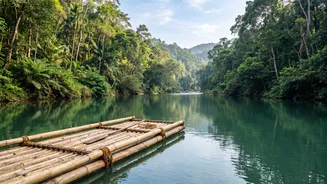
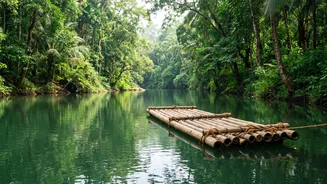
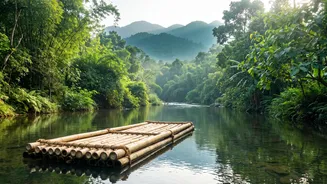
A highlight of any Wayanad trip is bamboo rafting at Kuruva Island, also known as Kuruvadweep. This protected 950-acre river delta on the Kabini River is a cluster of uninhabited islands renowned for their dense forests and rich biodiversity. Typically closed during the heavy monsoon months, the island reopens around September when the water levels are safe. Visitors are ferried across the river on sturdy bamboo rafts operated by the District Tourism Promotion Council (DTPC) and local guides. The journey itself is calm and meditative, allowing you to glide silently through the clear water, surrounded by towering bamboo groves and the sounds of nature. Once on the island, you can walk along forested trails and explore the pristine environment. It's a peaceful adventure that truly connects you with the tranquil spirit of Wayanad.
More Post-Monsoon Adventures
While bamboo rafting is a must-do, Wayanad's post-monsoon charm extends to many other attractions. The waterfalls are at their most spectacular during this period. Soochipara Falls, a three-tiered cascade, and Meenmutty Falls are breathtaking sights. For a dose of history and a rewarding hike, head to the Edakkal Caves, which feature prehistoric rock carvings dating back thousands of years. The serene Pookode Lake, surrounded by lush forests, is perfect for a gentle boat ride. And for a panoramic view of the entire region, a drive up to Lakkidi View Point is essential. These spots, rejuvenated by the rains, offer unforgettable experiences and stunning photo opportunities.