




The Cutlet: A Canvas for Flavour
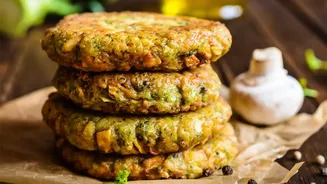
Think of the standard vegetable cutlet as a perfect starting point. Typically made with a base of mashed potatoes, peas, and carrots, it’s a comforting and familiar taste. But by rotating the vegetables you use to match the season, you can introduce a world
of new flavours and textures. This approach not only makes your snacks more interesting but also ensures you're using produce at its peak freshness and nutritional value. Eating seasonally means vegetables are more flavourful, nutrient-dense, and often more affordable.
Monsoon Magic: Earthy and Fresh Notes
The rainy season (roughly June to September) brings a bounty of vegetables that thrive in humid conditions. Sweet corn becomes widely available, and its kernels add a wonderful sweetness and juicy pop to a cutlet's texture. Leafy greens like spinach also flourish, lending an earthy flavour and a vibrant green hue to the mix. For a heartier cutlet, consider using arbi (colocasia) or raw banana as part of your base; both offer a dense, satisfying texture that pairs well with monsoon spices. Gourds like bottle gourd (lauki) are also abundant, but require careful handling. Grate them and squeeze out all excess water before mixing to avoid a soggy cutlet.
Winter Warmers: Sweet and Hearty Roots
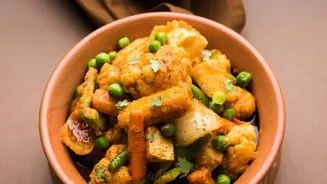
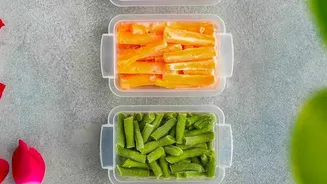
Winter (around November to February) is the season for root vegetables and sweet, vibrant produce. This is the perfect time to make cutlets with finely grated beetroot, which imparts a stunning ruby colour and a deep, sweet earthiness. Carrots are at their sweetest during these cooler months, adding both flavour and a pleasant bite. Of course, no winter vegetable list is complete without fresh green peas (matar), which are far superior to their frozen counterparts and offer a classic, sweet burst of flavour. Cauliflower is another excellent winter addition; steam it until tender and mash it into your potato base for a creamy, mild flavour boost.
Summer Surprises: Light and Subtle Tastes
During the hot summer months (March to May), the available produce is often lighter and has a higher water content. This is a great time to incorporate vegetables like pumpkin (kaddu). When cooked and mashed, pumpkin adds a subtle sweetness and a beautifully creamy consistency to cutlets. Vegetables like bottle gourd and ridge gourd are also in season. The key to using these is to manage their moisture. Grate them, salt them lightly, and let them sit for a few minutes before squeezing out as much water as possible. This prevents the cutlet mixture from becoming too wet and falling apart during frying.
Tips for the Perfect Seasonal Cutlet
No matter which vegetables you use, a few core principles will ensure your cutlets are a success. The foundation is usually boiled and mashed potatoes, which act as a binder. To ensure a crispy exterior, make sure your vegetable mixture isn’t too wet. If it feels soggy after adding grated vegetables, mix in a tablespoon or two of breadcrumbs or powdered poha (flattened rice) to absorb excess moisture. Once you’ve formed your patties, a two-step coating process is key. First, dip the patty in a thin slurry of cornflour or gram flour (besan) and water, and then dredge it in breadcrumbs or crushed cornflakes for that signature crunch. Don't be afraid to adjust your spices to complement the vegetables; a pinch of garam masala works with most combinations, but earthy beetroot pairs wonderfully with cumin, while sweet corn shines with a hint of black pepper.