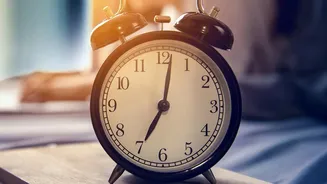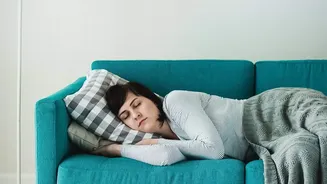







The festive season brings joy, but also exhaustion. While a long afternoon nap seems like the perfect fix for flagging energy levels, it might be the very thing sabotaging your restorative night-time sleep. The key is understanding the science.
The Temptation of the Festive Nap
Between
endless social gatherings, last-minute shopping, and travel, the festive period can run even the most energetic person ragged. It's a time of year when our routines are disrupted and our sleep often suffers. Faced with this fatigue, the prospect of a long, indulgent nap can feel like a non-negotiable solution to recharge. The thinking is simple: more sleep, even during the day, must be good. However, when it comes to napping, quality and duration matter far more than quantity. That hour-long snooze might provide a temporary escape, but it often sets up a frustrating cycle of daytime grogginess and nighttime restlessness.
The 30-Minute Cliff: Entering Deep Sleep
The crucial factor that determines a nap’s success is its length. The tipping point generally occurs around the 20 to 30-minute mark. During the first stage of sleep, you are in a light doze. A short 'power nap' of 10-20 minutes keeps you in this light stage. It’s long enough to boost alertness and improve mood but short enough that you can wake up easily and feel refreshed. Once you sleep for more than 30 minutes, however, your brain begins to transition into deeper, slow-wave sleep. While this stage is vital for overnight restoration, waking up from it mid-cycle is what causes problems. Interrupting this deep sleep stage is a jolt to the system, leading to a state of confusion and sluggishness.
Understanding Sleep Inertia
That groggy, disoriented feeling you get after waking from a long nap has a name: sleep inertia. It’s the transitional state between sleep and full wakefulness where your cognitive functions haven't caught up with your conscious mind. Your reaction time is slower, your short-term memory is foggy, and you might feel even more tired than before you lay down. This happens because your brain, having entered a deep sleep phase, wasn't ready to wake up. The longer you nap beyond that 30-minute window, the more likely you are to experience significant sleep inertia, which can last from 30 minutes to over an hour. Instead of feeling recharged for your evening festivities, you're left feeling sluggish and out of sorts.
The Downstream Effect on Nightly Rest
Beyond the immediate grogginess, a long afternoon nap can seriously disrupt your ability to sleep at night. Your body operates on a homeostatic 'sleep drive', a pressure that builds throughout the day, making you tired by bedtime. A long nap effectively releases a significant amount of that pressure, almost like a mini-night of sleep. Come bedtime, your body simply isn’t tired enough to fall asleep easily or stay asleep soundly. This can lead to insomnia, fragmented sleep, and a feeling of being unrested the next morning, creating a vicious cycle where you feel you need another long nap the following day.
How to Nap for Maximum Festive Energy
To harness the true power of a nap without the negative side effects, follow a few simple rules. First, keep it short. Aim for a 10 to 20-minute power nap to gain the benefits of boosted alertness without the risk of sleep inertia. Second, timing is everything. The best time to nap is in the early afternoon, typically between 1 p.m. and 3 p.m., when your body experiences a natural dip in alertness. Napping any later than 3 p.m. can interfere with your nighttime sleep drive. Finally, set an alarm. This is non-negotiable to prevent yourself from accidentally drifting into that deep, inertia-inducing sleep stage. A quick, intentional nap will leave you energised and ready to enjoy the evening, while a long, accidental one will do the opposite.