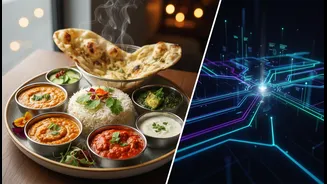










From Monuments to Meals
A fundamental shift is underway in how Indians approach travel. The new generation of travellers, particularly millennials and Gen Z, increasingly prioritises experiences over simple sightseeing. This group is less interested in ticking off a list of monuments
and more focused on cultural immersion, adventure, and creating lasting memories. At the heart of this change is food. What was once just a part of the daily budget has become a primary motivation for travel itself. Culinary tourism is no longer a niche interest but a driving force, with some reports indicating that up to 40% of Indian travellers now choose their holiday destinations based on the local cuisine. This move towards experiential travel sees food as a gateway to understanding a destination’s culture, traditions, and people.
The Rise of the Culinary Traveller
The appetite for food-led travel is growing rapidly, with interest in such trips seeing a significant year-on-year increase. This isn't just about eating at fancy restaurants; it's an immersive dive into a region's culinary soul. Indian travellers are eagerly booking everything from cooking classes in Bali and sushi-making workshops in Japan to guided street food tours in Vietnam. Even domestic travel is being fuelled by the stomach, as people cross states to explore regional specialities, like a Bengali visiting Kerala for its seafood or a Punjabi exploring the flavours of Tamil Nadu. This trend extends to all types of travel. Honeymoon packages now frequently include premium dining experiences, and family holidays incorporate chocolate-making workshops and market visits as educational activities. The desire for authenticity is paramount; while Indian food abroad offers comfort, the modern traveller is eager to explore hidden local eateries and curated food trails.
Your New Travel Agent Is an Algorithm
Parallel to the boom in food tourism is the revolution in travel planning, spearheaded by Artificial Intelligence. The days of spending hours sifting through blogs and websites are fading. Today, a significant majority of Indian travellers are confident in using AI to plan and book their trips. AI-powered platforms and chatbots act as personal travel assistants, capable of creating tailored itineraries in seconds. Travellers can input complex preferences like, “plan a seven-day trip to Italy for a history-loving foodie on a budget,” and receive a curated plan. These tools compare flights, suggest hotels, and discover local attractions, saving time and reducing the stress of planning. According to one travel expert, a remarkable 84% of Indian travellers are comfortable using AI, with over half using it for destination research and flight bookings. This tech-savvy approach allows for a level of personalisation that was previously unimaginable, making travel more efficient and tailored to individual tastes.
Where AI Meets Appetite
The intersection of these two powerful trends is where the future of travel is truly taking shape. For the food-focused traveller, AI is an indispensable tool. It helps unearth the hidden culinary gems that don't always make it into guidebooks. AI tools can analyze countless reviews and local insights to recommend authentic eateries, bustling food markets, and specific regional dishes based on a user's stated preferences. Several platforms now offer AI-generated recommendations for dining, helping travellers navigate complex food scenes in places like Japan or Vietnam where local expertise is key. This synergy goes further, with AI helping to create highly personalised culinary trails, book farm-to-table dining experiences, and even manage budgets with dining recommendations factored in. AI isn't replacing the joy of discovery; it's enhancing it, acting as a smart co-pilot that ensures every meal on a trip is as memorable as the sights.