








The Air Itself Is a Stressor
Delhi's battle with toxic air is a well-documented public health emergency. Recent directives under the Graded Response Action Plan (GRAP) Stage III have shifted classes for younger students to hybrid or online modes as the Air Quality Index (AQI) remains
in the 'Severe' category. While the physical impacts—coughing, eye irritation, and respiratory distress—are immediate and visible, a growing body of research points to a more insidious threat: the direct impact of pollutants on mental health. Studies show that fine particulate matter like PM2.5 can cross the blood-brain barrier, potentially causing inflammation and altering brain chemistry. Experts have linked this physiological impact to increased irritability, mood swings, and cognitive fog in children, making the very air they breathe a source of stress.
The Prison of Home and Screens
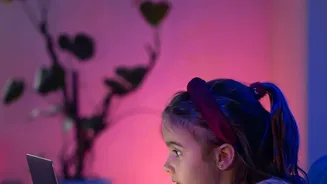
For children, the order to stay indoors is not just a safety measure; it's a form of confinement. The closure of parks, playgrounds, and the cancellation of outdoor activities sever crucial connections to peers and unstructured play. This social isolation is a significant psychological stressor. Compounding this is the shift to online classes. While a necessary stopgap, prolonged screen time contributes to digital fatigue and a peculiar kind of loneliness. Experts from UNICEF have highlighted how the lack of outdoor options pushes children towards excessive screen use, creating a 'cycle of screen dependence' that can disrupt sleep and mood. This combination of physical confinement and digital overload removes the two most effective, natural outlets for childhood energy and anxiety: social interaction and physical play.
Recognising the Warning Signs
The anxiety triggered by this unique situation may not always look like overt sadness. Parents should be aware of a range of symptoms that signal distress. According to child psychologists, these can include increased irritability, uncharacteristic aggression, or frequent mood swings. Some children may become more withdrawn or clingy. Changes in sleep patterns, such as difficulty falling asleep or waking up frequently, are common red flags. Other signs might include complaints of frequent headaches, stomach aches with no clear physical cause, or a noticeable difficulty in concentrating on schoolwork or other tasks. A child who was previously happy and outgoing might express feelings of being constantly tired, sad, or 'unhappy' without knowing why. A recent survey highlighted that a significant majority of children in Delhi-NCR reported feeling anxious, irritated, or distressed due to poor air quality.
Expert View: A Compounding Crisis
Mental health professionals are clear: this is not just about 'winter blues'. It's a compounding crisis where environmental, educational, and social stressors are creating a perfect storm for childhood anxiety. Dr. Pallab K. Maulik of The George Institute for Global Health India notes that environmental disasters directly create stress and anxiety, particularly when daily life is disrupted. Children are neurologically more vulnerable. Their brains and respiratory systems are still developing, making them more susceptible to the harmful effects of pollutants which have been linked to neuro-developmental issues. The disruption of routine, which is critical for a child's sense of security, further exacerbates the problem. The current situation, according to experts, is not a one-off event but a recurring trauma that risks causing long-term developmental harm and social withdrawal.
Coping Strategies for Worried Parents
While the larger pollution problem requires systemic solutions, parents can take steps to mitigate the mental health impact at home. Creating a structured daily routine is paramount; this provides a sense of normalcy and predictability. It's crucial to schedule dedicated 'offline' time for creative play, reading, or other non-screen activities. To combat physical stagnation, simple indoor exercises, yoga, or dance sessions can help release pent-up energy. Experts also advise maintaining open lines of communication. Acknowledging your child's feelings of frustration or sadness, without dismissing them, is vital. Finally, improving indoor air quality with air purifiers using HEPA filters, especially in bedrooms, can reduce exposure to pollutants and create a healthier sanctuary within the home.