




The Green Wave Hits India
Not long ago, the word 'matcha' would have drawn blank stares in most Indian circles. Today, it’s the star ingredient in lattes, desserts, and even cocktails at trendy cafes from Bandra to Khan Market. This finely ground powder of specially grown and processed
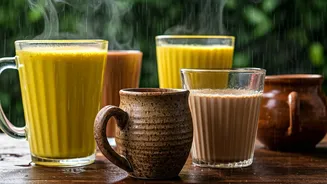
green tea leaves, rooted in Japanese tea ceremonies, has found a new, enthusiastic audience among India’s millennials and Gen Z. While traditional chai remains the undisputed king of beverages, matcha is quickly becoming the drink of choice for a generation that values wellness, global trends, and a picture-perfect lifestyle. This isn't just about a new flavour; it's a cultural shift you can sip.
More Than Just a Health Kick
The primary driver for many is health. Compared to sugar-laden sodas linked to a host of health issues, matcha presents itself as a virtuous alternative. It's packed with antioxidants called catechins, which are believed to help fight cell damage and prevent chronic disease. Unlike the jittery buzz of coffee, matcha provides a calmer, more sustained energy boost, thanks to an amino acid called L-theanine. This compound promotes relaxation without drowsiness, creating a state of 'calm alertness' that's highly prized by a generation juggling demanding careers and an active social life. While a plain, unsweetened matcha is genuinely healthy, many cafe versions are loaded with sugar, turning a wellness drink into a dessert. But for many, the perception of health is what counts.
Brewed for the Instagram Feed
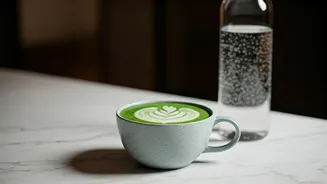
The headline says it all with the word 'aesthetic'. Let’s be honest: matcha is incredibly photogenic. Its vibrant green colour pops against minimalist ceramic cups and rustic wooden tables, making it a star performer on visual platforms like Instagram. In the age of the curated self, what you consume is a reflection of who you are—or who you want to be. Ordering a matcha latte is a statement. It signals that you are health-conscious, globally aware, and have a sophisticated palate. The ritual itself—watching a barista whisk the green powder into a frothy concoction—is part of the experience. It’s a far cry from the unceremonious pop and fizz of a soda can. This visual appeal is not a side effect; it's a core feature of matcha's popularity.
A Sip of Status and Sophistication
Let's talk about the price. A matcha latte can cost anywhere from ₹300 to ₹500, placing it firmly in the category of a luxury or aspirational product. This price point automatically makes it a status symbol. While a cola is accessible to everyone, matcha is a marker of disposable income and cultural capital. It aligns with other global wellness trends that have been adopted by urban Indians, from avocado toast to kombucha. Consuming matcha is a way to participate in a global conversation, signalling that you are part of a cosmopolitan elite. It’s less about quenching thirst and more about affirming one's identity in a rapidly globalising India.
The Evolution of Café Culture
This trend is also intrinsically linked to the evolution of India's café culture. Cafes are no longer just places to grab a quick coffee; they are 'third spaces' for work, socialising, and leisure. And in these spaces, the experience is paramount. Patrons are not just buying a drink; they are buying an ambiance, a moment of peace, and a slice of a desirable lifestyle. Matcha, with its ceremonial roots and artisanal preparation, fits perfectly into this experience-driven economy. It offers something new and intriguing, moving beyond the standard cappuccino-and-croissant fare and giving cafes a way to differentiate themselves and cater to a more discerning customer base.