




Identify Harmful Ingredients
Many common household cleaners contain chemicals that are toxic to pets if ingested, inhaled, or absorbed through their paws. Key culprits to watch out for on labels include ammonia, chlorine (bleach), formaldehyde, and phenols. These substances can cause
a range of issues from skin irritation and respiratory distress to severe internal burns and neurological problems. Cats can be particularly sensitive to phenols as their livers cannot metabolize them effectively. Even products marketed as 'natural', such as those with certain essential oils, can be harmful to pets, so always read the full ingredient list carefully.
Choose Your Cleaning Arsenal Wisely
The safest option is to choose commercial cleaners specifically formulated to be pet-safe, which avoid harsh chemicals. Alternatively, you can create your own effective, non-toxic solutions. A simple mixture of equal parts white vinegar and water is a popular choice for many floor types, as the acetic acid in vinegar is a natural degreaser and disinfectant. For a gentler approach, a few drops of unscented castile soap in a gallon of warm water works well. Always remember that even natural ingredients like pure vinegar should be diluted and used in a well-ventilated area. Before using any new solution, it's wise to test it on a small, inconspicuous area of your flooring.
The Separation Strategy
The core of safe floor cleaning is physically separating your pets from the entire process. Before you start, secure your dog or cat in another room, a crate, or a separate area of the house where they will be comfortable and unable to wander into the cleaning zone. This isn't just about the wet floor; it's also about the tools. A curious pet might be tempted to lick a mop, chew on a bottle, or drink from a bucket of used cleaning water, which can be just as dangerous as the concentrated product itself. This separation should be maintained until the floors are completely dry.
A Step-by-Step Safe Cleaning Process
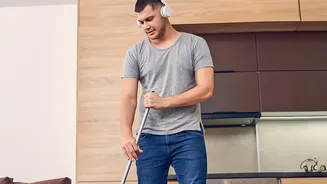
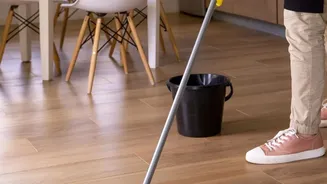
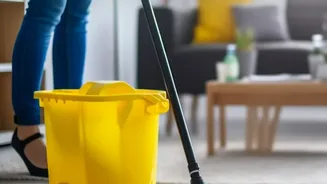
First, prepare the room by sweeping or vacuuming to remove loose fur, dander, and debris. This allows your cleaner to work directly on the floor surface. Next, mix your chosen pet-safe cleaning solution according to the directions, being careful not to over-concentrate it. Use a damp mop rather than a soaking wet one, especially on wood floors, to prevent excess water from sitting on the surface. Open windows and use fans to ensure good ventilation, which helps floors dry faster and disperses any fumes. Most importantly, do not allow your pets back into the area until all surfaces are 100% dry to the touch, preventing them from licking residual moisture from their paws.
Secure Storage Is Non-Negotiable
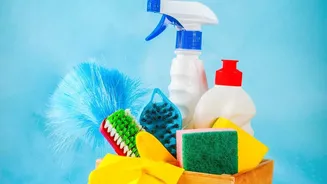
Once the cleaning is done, the final step is to safely store all your supplies. Immediately dispose of dirty mop water. All cleaning products, whether commercial or DIY, should be stored in their original, clearly labeled containers. Keep them in a locked cabinet or on a high shelf that is completely inaccessible to pets and children. Child-proof locks are a worthwhile investment for any cabinet containing potentially hazardous materials. Remember that a pet's curiosity can lead them into high places, so 'out of sight' is just as important as 'out of reach'. A portable caddy can help keep all your supplies together, making them easier to store securely in one go.