






The Enduring Craft, The Pressing Problem
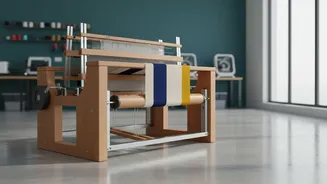
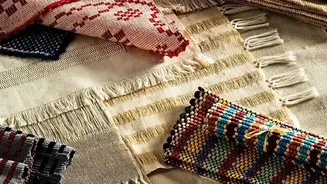
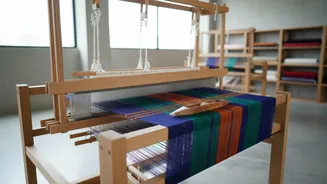
For centuries, the rhythmic click-clack of the handloom has been the pulse of countless rural communities across India. The sector is the country's second-largest rural employer after agriculture, sustaining millions of artisans. Yet, this rich heritage
is woven with threads of economic hardship. Weavers often face precarious incomes, with monthly earnings frequently falling far below the national average. They are squeezed by competition from mechanized power looms and exploitation by intermediaries who can take a large cut of the final retail price, leaving weavers with as little as 20-30% of their product's value. This economic pressure has led many younger artisans to abandon the craft for urban jobs, threatening the sector's long-term survival.
Enter 'Weaver-Tech': A Digital Toolkit
In response to these challenges, a wave of 'weaver-tech' initiatives has emerged from both government and private sectors. These are not just about upgrading looms; they encompass a suite of digital tools aimed at transforming the entire value chain. Examples include e-commerce platforms like the government's Indiahandmade portal, which allows weavers to sell directly to customers nationwide and globally. Other innovations include Computer-Aided Design (CAD) software to create new patterns, AI-powered tools to predict market trends, and even mobile apps for monitoring looms and managing inventory. Recent government efforts include establishing a Centre of Excellence for Handloom Technology at IIT Delhi to integrate AI and modern design, with an ambitious goal of significantly raising weaver incomes.
The Promise of Empowerment
On paper, the benefits of these tools are immense. By connecting directly with consumers through online marketplaces, weavers can bypass the middlemen who have historically eroded their profits. This disintermediation has the potential to increase their share of revenue and provide greater economic autonomy. Digital design tools allow for faster innovation and customisation, helping artisans cater to modern tastes while preserving traditional aesthetics. AI can help optimise production, reduce waste, and analyse market data to create more commercially successful products. For many, technology offers a path to not just survive, but to thrive by making their craft more competitive and profitable.
A New Set of Hurdles on the Ground
However, the rollout of these digital solutions has met with significant real-world challenges. The most prominent is the digital divide. In rural India, where most weavers live, reliable internet access is not a given, with some studies noting that only around 34% of rural areas have dependable connectivity. Many artisans, particularly older weavers and women, lack the necessary digital literacy to effectively use smartphones, e-commerce platforms, or marketing tools. There are also infrastructural barriers like inconsistent power supply and logistical issues with packaging and shipping from remote locations. Furthermore, some weavers may be hesitant to abandon long-standing, trust-based relationships with local traders for the uncertainties of the digital marketplace.
Is Technology Solving the Right Problems?
This leads to a critical question: is technology addressing the root causes of weaver poverty? While market access is a major piece of the puzzle, weavers also grapple with volatile yarn prices, a lack of access to affordable credit, and the overwhelming price competition from mass-produced power loom textiles. Simply providing an app or a website does not solve these fundamental economic pressures. Critics argue that unless tech interventions are paired with robust policy support—such as subsidies on raw materials, better enforcement of handloom protection laws, and widespread digital literacy training—they may only benefit a small, already-advantaged group of weavers, leaving the most vulnerable behind.