




The Science Behind the Sip
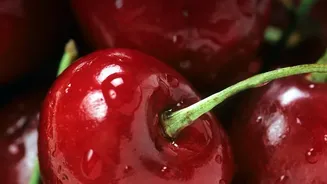
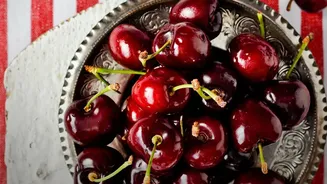
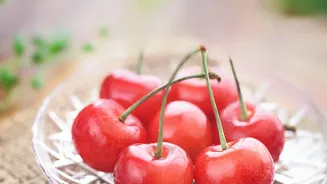
What sets tart cherries, particularly the Montmorency variety, apart is their rich concentration of powerful plant compounds called anthocyanins. These are the pigments that give the fruit its deep, ruby-red colour. But they do more than just look good;
anthocyanins are potent antioxidants and have significant anti-inflammatory properties. When you engage in strenuous exercise, your muscles sustain microscopic damage, which triggers an inflammatory response leading to the familiar delayed onset muscle soreness (DOMS). The anthocyanins in tart cherry juice appear to help manage this process, inhibiting enzymes involved in inflammation in a way that is similar to some common pain medications but from a natural, food-based source.
Boosting Muscle Recovery and Performance
Several studies have highlighted tart cherry juice's effectiveness in aiding athletic recovery. Research on marathon runners and other endurance athletes has shown that consuming the juice can lead to a faster recovery of strength, reduced inflammation, and less muscle pain post-exercise. One study involving runners found that those who drank tart cherry juice for seven days before and during a strenuous race reported significantly less pain afterward compared to a placebo group. The benefits aren't limited to endurance sports. Studies on strength-trained individuals have also shown that supplementation can help preserve muscle function and reduce oxidative damage after intense workouts. This means you may feel less sore and get back to your training regimen more quickly.
Your Tart Cherry Recovery Protocol
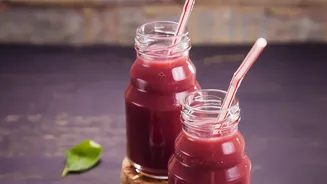
So, how can you incorporate this into your routine? The research points to a consistent protocol for the best results. The typical recommendation is to drink about 240 ml of tart cherry juice or take 30 ml of a juice concentrate twice a day. The key is consistency and timing. For optimal effect, especially before a big event like a marathon or a tournament, athletes should start a loading phase. This involves drinking the juice for four to seven days leading up to the competition, on the day of the event, and for two to three days afterward to maximize recovery. For general training, taking it post-workout can help kickstart the recovery process. Some athletes also take a dose in the evening, as tart cherries are a natural source of melatonin, which can promote better sleep—a critical component of recovery.
Choosing the Right Product
Not all cherry juices are created equal. To get the benefits, you need to be selective. Look specifically for juice from Montmorency tart cherries, as this is the variety used in most of the positive research. Opt for products that are 100% juice and have no added sugars, as extra sugar can introduce unnecessary calories and counteract some of the anti-inflammatory benefits. You can find it as a ready-to-drink juice or as a concentrate, which is often more cost-effective and can be diluted with water. Powdered forms and capsules are also available, offering a convenient, portable option, though juice and concentrate remain the most studied forms.
Potential Side Effects and Considerations
While tart cherry juice is generally safe for most people, there are a few things to keep in mind. The juice contains sorbitol, a sugar alcohol that can cause abdominal discomfort or diarrhea in some individuals, particularly in large quantities. Because of its natural sugar content, those with diabetes should monitor their blood sugar levels. People with kidney disease should also consult a doctor before adding concentrated cherry products to their diet. It's important to remember that while tart cherry juice is a powerful tool, it's not a magic cure. It works best as part of a comprehensive recovery strategy that includes proper nutrition, hydration, and adequate rest.