


The Mindset Shift: Thinking Vertically
The first step to transforming a small bedroom is to change your perspective. Instead of looking at the limited floor area, consider the vast, unused space on your walls. Vertical storage is about drawing the eye upward, which not only provides ample
room for your belongings but also creates an illusion of height and openness. The goal is to get as much as possible off the floor, clearing pathways and making the room feel more breathable. By shifting storage from outward to upward, you stop furniture from spreading across the room and instead stack it neatly into a smaller footprint. This simple change in approach is the foundation of every smart small-space layout.
Choose Tall, Narrow Furniture
When it comes to furniture, think tall and slim instead of short and wide. A tall, narrow dresser or armoire offers significant storage for clothing and accessories without eating up precious horizontal space. These pieces use the room's height to their advantage, providing the same, if not more, storage capacity as a bulkier low-profile unit. Similarly, a tall, slender bookcase can hold books, decor, and storage bins without a large footprint. In many Indian homes where compact rooms are common, these types of space-saving furniture pieces are essential for maintaining an organised and uncluttered environment. Single-door tall cabinets can also be an elegant solution for tight spaces.
Embrace Wall-Mounted Solutions
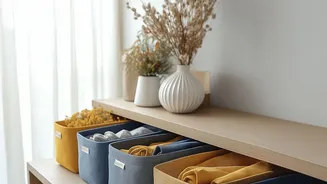
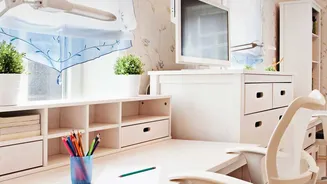
One of the most effective ways to free up the floor is to make your walls do the work. Floating shelves are a game-changer for small bedrooms. They can be used for books, plants, or decorative items, and placing them high on the wall draws the eye upward. You can even install a series of shelves near the ceiling to store items you don't need daily access to. Consider replacing a traditional bedside table with a small, wall-mounted floating nightstand. This simple swap instantly makes the area around your bed feel more open and easier to clean. For a small workspace, a wall-mounted fold-down desk provides a functional surface when you need it and folds away discreetly when you don't.
Maximise Your Wardrobe and Doors
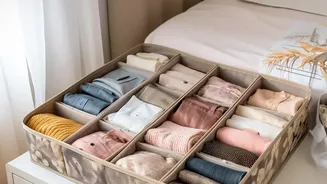
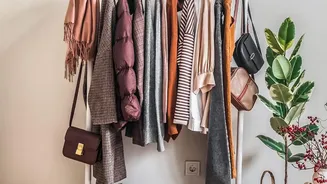
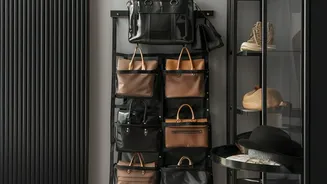
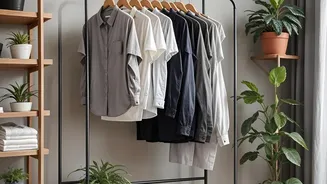
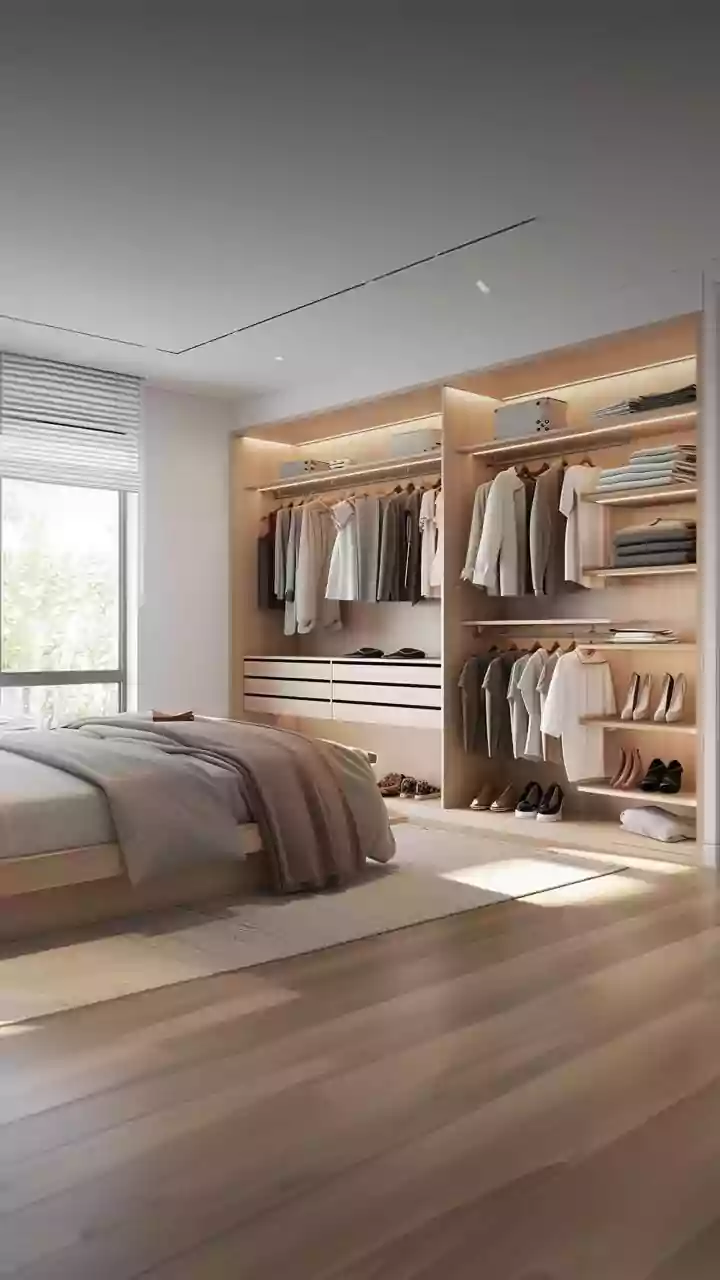
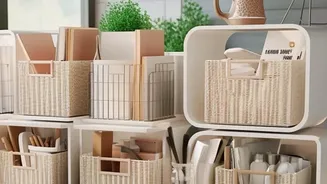
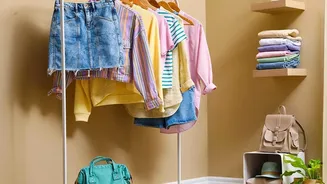
Your existing closet holds more potential than you think. Floor-to-ceiling wardrobes are an excellent way to use every inch of vertical space against a wall. If you have a standard closet, you can often double your hanging capacity by adding a second rod below the first one. Use stackable bins on the floor of the wardrobe and on the top shelf to turn wasted corners into organised storage. Don't forget the back of your doors. An over-the-door organiser with pockets is perfect for storing shoes, accessories, or toiletries, keeping them off the floor and out of sight. You can even install hooks or small rails on the inside of your wardrobe door for belts, scarves, or jewellery.
Smart Layouts and Multipurpose Pieces
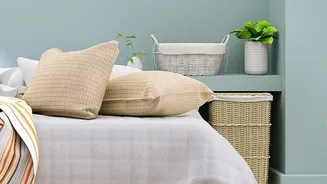
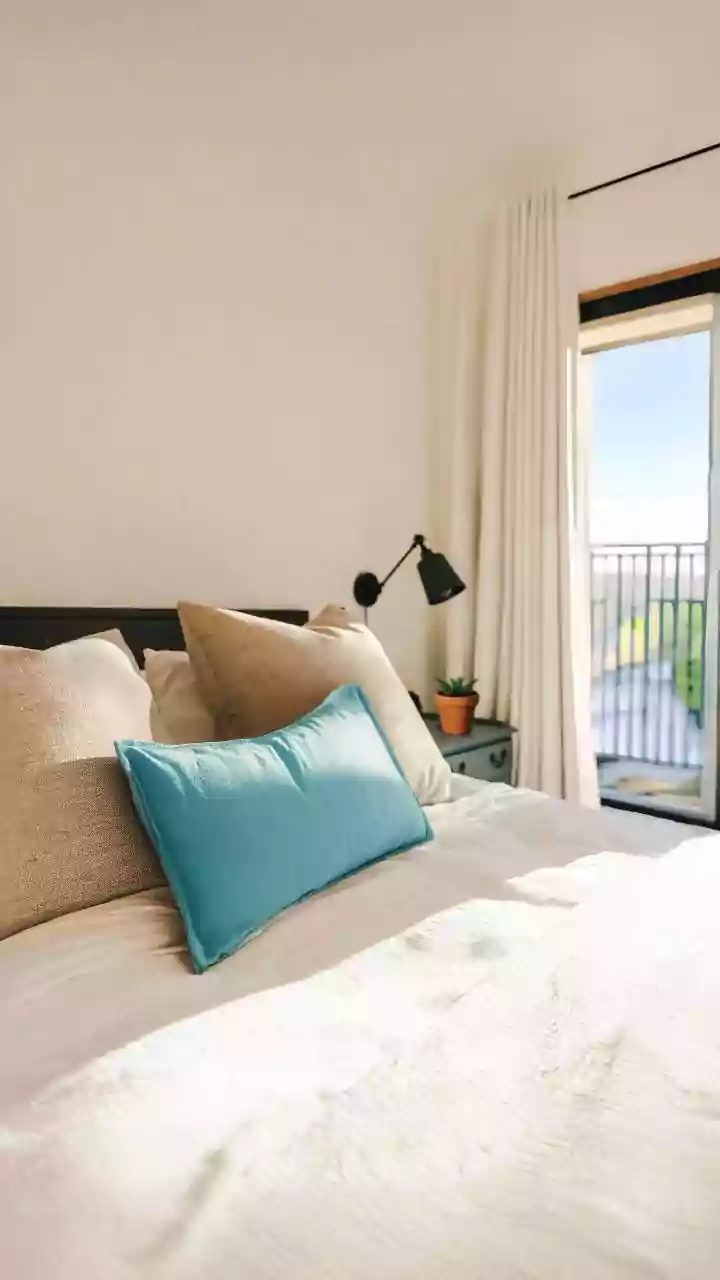
How you arrange your vertical furniture matters. Place tall items, like a bookcase or wardrobe, against the walls to keep the centre of the room open. The most common layout strategy is to place the bed against the center of the main wall, as it creates a sense of symmetry. However, tucking the bed into a corner can be a bold move that frees up a surprising amount of floor space for other furniture. Also, choose furniture that serves more than one purpose. A bed with built-in drawers underneath is a classic example, providing massive storage for seasonal clothing or extra bedding without taking up any additional room. An ottoman or bench at the foot of the bed can offer both seating and hidden storage.