


The Perfect Storm: Why Japan Is So Popular Now
Japan is experiencing an unprecedented tourism boom. The country welcomed a record 42.7 million visitors in 2025, a massive increase from pre-pandemic levels. This surge is driven by two main factors. First, a prolonged period of a weak yen has made Japan significantly
more affordable for international travellers. Tourists are finding their money goes further, allowing for upgraded hotels and more premium experiences. Second, after years of travel restrictions, pent-up demand has exploded, with social media further amplifying the country's appeal. However, this popularity has a downside: a phenomenon known as 'overtourism', where the sheer number of visitors strains infrastructure and diminishes the experience at key locations.
The Crowded 'Golden Route'
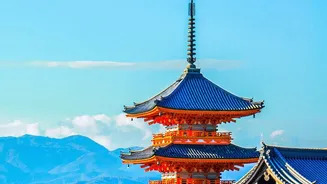
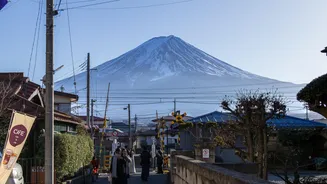
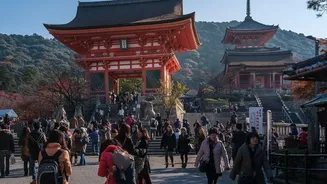
The issue of crowding isn't a nationwide problem but is highly concentrated along the so-called 'Golden Route' of Tokyo, Kyoto, and Osaka. Within these cities, a handful of world-famous sites bear the brunt of the traffic. In Kyoto, the Fushimi Inari Shrine, Arashiyama Bamboo Grove, and Kiyomizu-dera Temple often feel impassable during peak hours. In Tokyo, the iconic Shibuya Crossing, the Senso-ji Temple, and the former Tsukiji fish market area are major pressure points. Even areas around Mount Fuji are seeing congestion, leading to new rules to manage climbers and photographers. This concentration means that while some specific spots are packed, vast swathes of Japan remain blissfully uncrowded.
Strategy 1: Master Your Timing
The single most effective way to beat the crowds at popular attractions is to adjust your timing. Many famous temples and shrines open at sunrise and are often nearly empty in the early morning hours. Fushimi Inari in Kyoto, for example, is open 24 hours and is a completely different experience at 6:30 AM compared to midday. Visiting on weekdays instead of weekends also makes a significant difference. Consider travelling during Japan's 'shoulder seasons' like late autumn or early winter (excluding holidays) for fewer crowds and lower prices. The months of June, late January, and early February are typically the quietest.
Strategy 2: Explore Beyond the Obvious
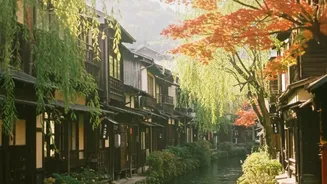
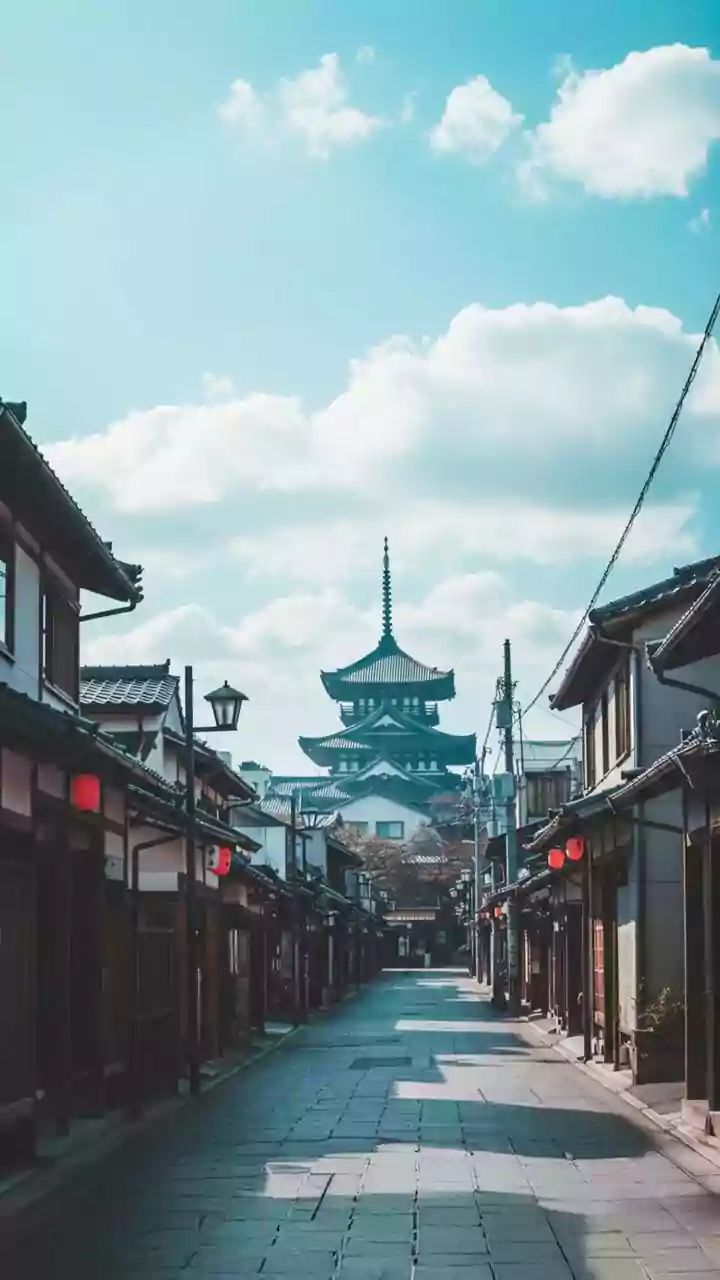
While Tokyo and Kyoto are unmissable for first-time visitors, adding less famous destinations can transform your trip. The Japanese government has been actively promoting regional tourism, making rural areas more accessible than ever. Instead of focusing solely on Kyoto, consider Kanazawa, which offers beautifully preserved geisha and samurai districts with a fraction of the visitors. The mountainous city of Takayama provides a wonderful glimpse into traditional townscapes. For a vibrant city experience outside of Tokyo, Fukuoka on the island of Kyushu is renowned for its welcoming culture and street food scene. Other fantastic alternatives include the historic city of Nara, the art island of Naoshima, or the majestic Himeji Castle.
Strategy 3: Travel Smarter on the Ground
A few simple adjustments to your daily plans can help you find a more authentic side of Japan. When visiting a famous temple, walk just ten minutes away from the main entrance to find better and more affordable local restaurants that aren't saturated with tourists. Instead of relying solely on crowded city buses in Kyoto, consider hiring a taxi for a few hours to efficiently see several sites. Embrace Japan's incredible public transport network to explore smaller neighbourhoods outside the central tourist hubs; places like Tokyo's Koenji or Kagurazaka offer great atmosphere without the crowds of Shibuya. Finally, use Japan's excellent luggage forwarding services ('takkyubin') to send your large bags ahead to your next hotel, making travel on trains much more comfortable.