




A New Order of Weaving in the Capital
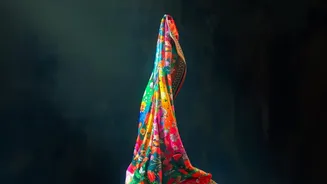
Opening on August 5th, an ambitious exhibition titled 'World Within the Cloth: New Orders of Weaving' is set to take over the Virasat Hall at the National Crafts Museum and Hastkala Academy. Timed to coincide with the 12th National Handloom Day, this
show moves beyond simply displaying beautiful fabrics. Instead, it presents handloom as a medium for knowledge, cultural memory, and cutting-edge creative expression. Curated by Sreyansi Singh, the exhibition gathers contemporary artists, designers, and craft collectives to explore the social and historical dimensions of textile making. The goal is to spark a dialogue about the evolving role of textiles in conversations around identity, sustainability, and community.
What Makes It 'Experimental'?
The term 'experimental' here refers to a departure from seeing handloom merely as a material object. The exhibition features research-based works, immersive installations, and unique collaborations between artists and artisans. Esteemed names like Abraham & Thakore are featured alongside artist-driven initiatives such as the Chanakya School of Craft and collectives like the Porgai Artisans Association. This fusion challenges the conventional separation between 'high art' and 'craft'. By foregrounding interdisciplinary approaches, the show highlights how traditional techniques can be used to address contemporary themes. It’s a move from presenting craft as a static heritage piece to showcasing it as a living, evolving language for today's artists and designers.
Attracting a Different Kind of Audience
For years, craft museums have worked to engage a wider public. Exhibitions like this are proving to be a powerful catalyst for change. By blending traditional craftsmanship with a contemporary art gallery's sensibility, these shows are attracting new and younger audiences. The involvement of modern design studios and artists whose work is followed by a tech-savvy generation on platforms like Instagram helps bridge a cultural gap. When craft is presented not as a relic but as a dynamic part of contemporary culture—relevant to discussions on sustainability and modern identity—it resonates with a different demographic that may not have previously felt connected to these institutions. The museum becomes less of an archive and more of a living, breathing space for cultural dialogue.
A Blueprint for the Future?
This trend is not happening in a vacuum. Across India, there is a growing movement to reposition artisanal work within the modern creative economy. Institutions like the India Art Fair have increasingly become critical platforms for conversations around heritage and innovation, fostering visibility for traditional practices. Collaborations between global fashion houses and local craft schools, as seen with Dior and the Chanakya School of Craft, reframe how global audiences perceive Indian artisanship. These initiatives provide a potential blueprint for how to ensure the economic and cultural sustainability of India's vast craft traditions. By creating new avenues for artistic expression and economic empowerment, they help preserve skills while making them relevant to new markets and generations.