






Okhla Bird Sanctuary: The Wetland Wonder
Situated where the Yamuna River enters Uttar Pradesh, Okhla Bird Sanctuary is a haven for serious birdwatchers. This four-square-kilometre wetland, a designated Important Bird Area, attracts an astonishing number of avian visitors. The best time to visit is from
November to March, when the waters teem with thousands of migratory birds from Central Asia and Siberia. Look for waterfowl like the Northern Pintail, Gadwall, and Red-crested Pochard. The sanctuary's mix of marshland and thorny scrub also provides a habitat for critically endangered species like the White-rumped Vulture. With walking trails and watchtowers, it's an immersive experience, especially during the misty early morning hours when bird activity is at its peak.
Sunder Nursery: Heritage and Habitats
A stunning example of ecological restoration, Sunder Nursery is a 90-acre heritage park adjacent to Humayun's Tomb. More than just a collection of trees, it has been developed into Delhi's first arboretum, featuring recreated micro-habitats like ridges and marshes that attract diverse fauna. Over 80 species of birds have been recorded here, from the national bird, the Indian Peafowl, to the striking White-throated Kingfisher and Indian Grey Hornbill. Its beautiful water bodies and dense foliage provide a rich habitat for both resident birds and seasonal visitors. The blend of Mughal-era monuments with thriving biodiversity makes Sunder Nursery a unique spot where history and nature converge, offering a peaceful yet rewarding birding experience in the city's heart.
Lodhi Garden: An Accessible Avian Oasis
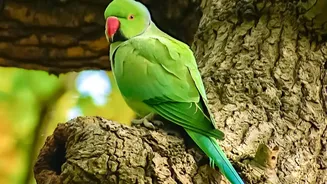
For those seeking a quick dose of nature without venturing far, Lodhi Garden is the perfect destination. This 90-acre park in central Delhi, known for its 15th and 16th-century tombs, is also a biodiversity hotspot. Its combination of manicured lawns, old trees, and water bodies supports over 160 bird species. It’s an ideal place for casual birdwatching, where you can easily spot common residents like Rose-ringed Parakeets, Brown-headed Barbets, Jungle Babblers, and Black Kites. Near the ponds, look for the Indian Spot-billed Duck and White-breasted Waterhen. While not as wild as other locations, Lodhi Garden offers a serene and accessible environment to enjoy Delhi's common birdlife amidst architectural splendour.
Sanjay Van: A Forest in the City
Sprawling across nearly 780 acres in South Delhi, Sanjay Van is one of the city's largest forests and a favourite among dedicated birders. Its semi-arid terrain, part of the Aravalli range, offers a more rugged and wild experience. The forest's diverse habitat supports over 220 recorded bird species, including raptors like the Shikra and Oriental Honey-buzzard, and elusive species such as the Indian Paradise Flycatcher. Resident birds like the Indian Peafowl and Golden Oriole are common sights. The Neela Hauz lake area at one of its entry points is particularly good for spotting aquatic birds before venturing into the scrub forest. Its network of trails makes it a great spot for a long, exploratory walk.
Tips for Birdwatching in Delhi
To make the most of your birding adventure, timing is key. The best season is winter, from October to March, when migratory species are in abundance. Early mornings are universally the best time of day, as birds are most active. A pair of binoculars is essential, and a field guide or a bird identification app can greatly enhance your experience. Remember to be patient and quiet, moving slowly so as not to disturb the birds. Finally, contributing your sightings to citizen science platforms helps in conservation efforts. Many of Delhi's parks are free to enter, but sanctuaries like Okhla have a nominal entry fee.