






The Allure of the September Deal
September is what the travel industry calls a “shoulder season,” the period between the peak monsoon and the busy, high-priced festive season. For travellers, this translates directly into savings. With demand lower, airlines and hotels drop their prices
to attract customers. This is especially true for international flights from India, as it coincides with the post-summer lull in Europe and North America. It’s not uncommon to find fares to destinations in Southeast Asia or even Europe that are significantly lower than in the preceding or following months. Domestically, popular destinations that command high prices in October and December become much more accessible, making it the ideal month for budget-conscious travellers to explore places that might otherwise be out of reach.
The Risk: Decoding September's Weather
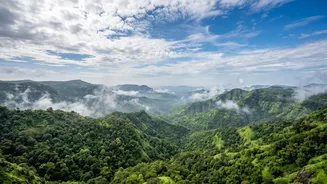
The main reason for those tempting September discounts is the weather. While the southwest monsoon is withdrawing, it doesn’t happen overnight. The process is a gradual retreat that starts in the northwest of India around early September and may not fully exit the southern peninsula until mid-October. This means that on the very same day, Rajasthan could be dry and sunny while Kerala is still experiencing monsoon showers. The risk isn’t necessarily of non-stop downpours. More often, it's a few hours of rain, high humidity, or overcast skies. However, this can be disruptive if your plans involve beach time, trekking, or outdoor activities. The upside is that the post-monsoon landscape in many parts of India is stunningly lush and green, with waterfalls at their peak.
Paying for Predictability: The Post-Monsoon Peak
Waiting until October or November almost guarantees better weather in most of India. The skies are generally clearer, the humidity drops, and the daytime temperatures are pleasant. This is why it’s considered the peak tourist season. All tourist attractions and activities, including major wildlife sanctuaries like Ranthambore and Kanha which often close for the monsoon, are typically open and fully operational from October 1st. This reliability comes at a price. With the onset of major festivals like Dussehra and Diwali, demand for travel soars. This means you’ll face higher flight and hotel costs, as well as much larger crowds at popular monuments, temples, and holiday spots. For many, the premium is worth it for a hassle-free trip with perfect photo opportunities.
How to Make Your Choice
The right decision depends entirely on your priorities. Ask yourself these key questions: 1. What is the primary goal of your trip? If you are planning a trek in the Himalayas or a beach holiday in Goa, good weather is critical. A delay or a week of rain could derail your entire plan. However, if your trip is focused on exploring cities, visiting museums, enjoying local food, or a wellness retreat, a few spells of rain are unlikely to be a major issue. 2. What is your budget flexibility? If you are on a tight budget, September offers undeniable value that might make a dream trip possible. The savings can be put towards better accommodation, more activities, or simply a longer holiday. If you have more room in your budget, you can afford to pay the premium for the near certainty of good weather. 3. What is your tolerance for uncertainty? Be honest with yourself. Are you the kind of traveller who can laugh off a rainy day and find a cozy cafe, or will unpredictable weather cause stress and disappointment? If you value peace of mind and predictability above all else, it is better to wait.
Smart September Bets and Where to Be Cautious
Not all destinations carry the same risk in September. For a safer bet within India, consider places where the monsoon withdraws early. Rajasthan, including cities like Udaipur and Jaipur, is often pleasant, with full lakes and green landscapes. The high-altitude desert of Spiti Valley in Himachal Pradesh is widely considered to be at its absolute best in September. Hill stations like Mussoorie can be incredibly atmospheric with mist and lush scenery. Be more cautious with destinations in the south and west. While places like Coorg and Munnar are spectacularly green, the chance of rain remains. Coastal areas like Goa and Kerala are emerging from heavy rains, but showers are still common. For international travel, September is an excellent time to visit Turkey or parts of Europe where the summer crowds have thinned and the weather is mild. Southeast Asian destinations like Vietnam and Thailand are also great budget-friendly options as they transition into their dry season. A small investment in travel insurance that covers weather-related disruptions can also provide a valuable safety net.