



The Quest for Guilt-Free Indulgence
The modern consumer wants it all: delicious flavour and functional benefits. This desire has fuelled the rise of high-protein desserts, transforming what was once a niche market into a mainstream phenomenon. The trend is driven by a growing wellness culture
where consumers see food as fuel that should support their health goals, such as satiety and muscle maintenance. Protein's ability to keep you feeling full longer than carbohydrates is a major draw, making a sweet treat feel more satisfying and helping to stabilise blood sugar levels. As a result, brands are reformulating everything from ice cream and brownies to cookies and puddings, positioning them as smarter choices for the health-conscious consumer.
From the Supermarket to the Kitchen
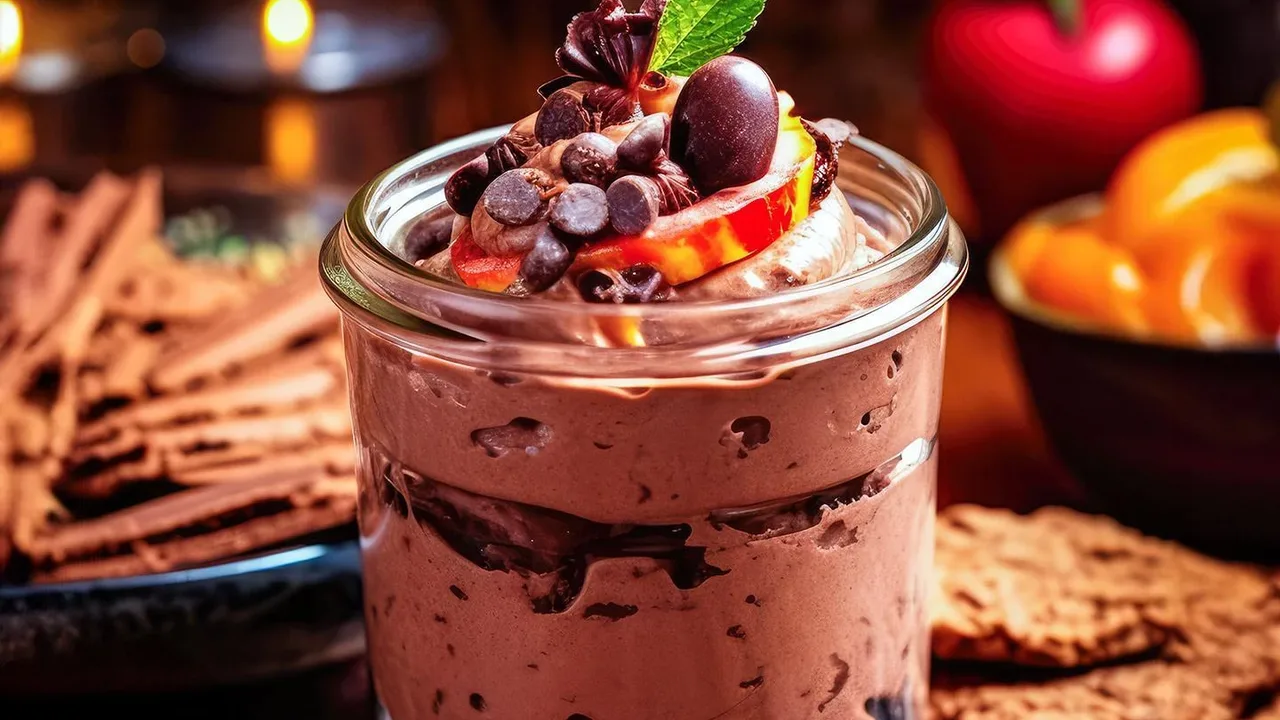
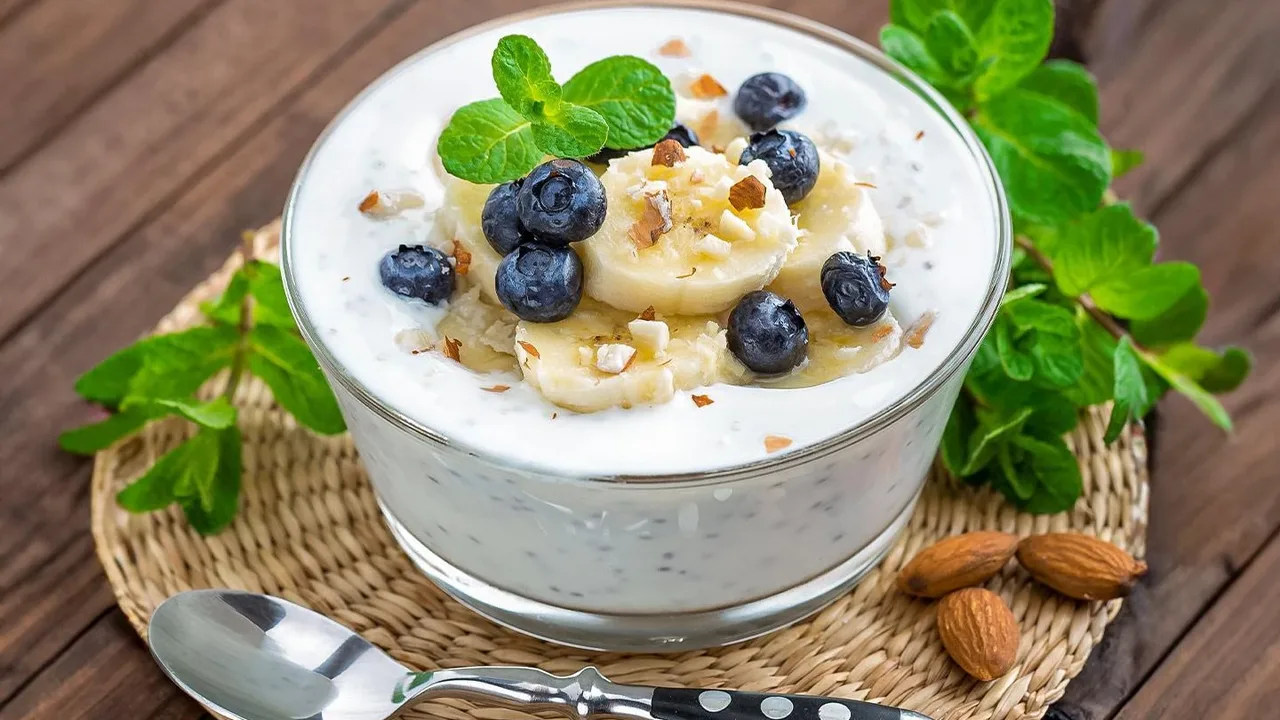
This protein infusion is happening on two fronts. In stores, shelves are now stocked with protein ice creams boasting 10-15 grams of protein per serving, protein puddings, and fortified bakery goods. These products often use whey, casein, or plant-based protein isolates to boost their nutritional profile. Simultaneously, a do-it-yourself movement has taken hold, with fitness enthusiasts and home cooks adding protein powder to their own creations. Common DIY ingredients include Greek yogurt, cottage cheese, and eggs to create everything from mango ice cream to mocha pudding and peanut butter truffles, giving people control over what goes into their treats.
A Look at the Indian Sweet Scene
The trend isn't just about Western-style desserts. Many traditional Indian sweets are naturally rich in protein thanks to their core ingredients like milk, paneer (chenna), gram flour (besan), and nuts. Desserts like Ras Malai, made from protein-rich paneer, and Mishti Doi, a fermented sweet yogurt, are inherently good sources of protein. Others, like Besan Ladoo and Milk Cake, also provide a substantial protein punch. Some makers are now consciously promoting these sweets for their protein content or creating healthier versions by swapping refined sugar for jaggery, tapping into the same desire for nutritious indulgence.
Is It Actually Healthy?
The central question is whether adding protein automatically makes a dessert healthy. According to dietitians, the answer is complicated. A protein brownie is still a brownie. While the added protein can offer benefits like increased satiety, it doesn't cancel out other ingredients. Experts advise looking beyond the front-of-package claims and examining the entire nutrition label. Many high-protein processed foods can still be high in added sugars, saturated fats, or artificial sweeteners. While some sugar alcohols used to sweeten these products are safe, they can cause digestive discomfort for some people. The protein itself doesn't make a product inherently healthy; the overall composition of the food is what matters.
Making Smart Choices
High-protein desserts can have a place in a balanced diet, especially as a post-workout snack to aid muscle repair or as a more filling alternative to a sugary treat. However, they shouldn't be seen as a replacement for whole foods. Whole food sources of protein like eggs, nuts, seeds, and yogurt typically offer a broader range of essential nutrients without the processing. When choosing a protein-fortified dessert, aim for a short, recognizable ingredient list and be mindful of the added sugar content. A good benchmark for a snack bar is to look for at least 10 grams of protein and 4 grams of fiber.