







Embrace Active Recovery
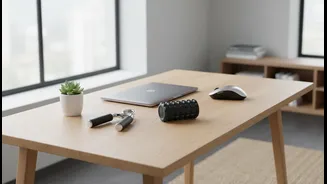
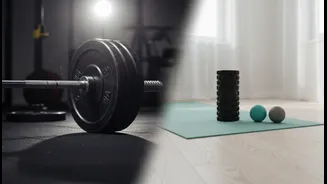
The old idea of recovery was to remain as still as possible. Today, we know better. While passive recovery (total rest) has its place, active recovery—low-intensity movement after a strenuous effort—is often more effective. Gentle activities like walking,
swimming, or yoga increase blood flow to your muscles. This helps deliver oxygen and nutrients for repair while flushing out metabolic waste products that cause stiffness and soreness, helping you bounce back faster and reducing the risk of injury.
Optimise Your Sleep
Sleep is the single most effective recovery tool you have. During deep sleep, your body releases growth hormone, which is crucial for muscle repair. To recover smarter, go beyond just aiming for 7-9 hours. Create a sleep-friendly environment by keeping your room cool, dark, and quiet. Establish a consistent sleep schedule, even on weekends, to regulate your body's internal clock. Finally, create a wind-down routine an hour before bed, limiting exposure to blue light from screens which can disrupt the sleep-inducing hormone melatonin.
Fuel Your Repair
What you eat is a cornerstone of recovery. After exertion, your body needs the right building blocks to repair itself. Consuming a combination of protein and carbohydrates after a workout is essential. Protein provides the amino acids necessary to mend the microtears in your muscles, while carbohydrates replenish your depleted energy stores (glycogen). Don't forget hydration; water is vital for transporting nutrients and preventing muscle cramps. A balanced diet rich in whole foods, including fruits and vegetables, provides antioxidants that can help manage inflammation.
Don't Neglect Your Mind
Recovery isn't just physical; it's mental, too. The chronic stress from a high-performance lifestyle can lead to burnout, characterized by emotional exhaustion and a lack of motivation. Smart recovery involves intentionally unplugging and allowing your mind to rest. Practices like mindfulness, meditation, or even journaling can help regulate stress and restore mental clarity. Sometimes, the best thing you can do is simply disconnect from work and engage in a hobby you enjoy, giving your brain a much-needed break.