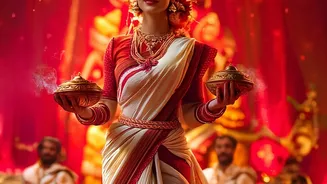




In India, gold is more than a precious metal; it is a sacred thread woven into the fabric of life itself. Its gleam is not just a sign of wealth but a symbol of purity, fortune, and divine blessings in countless sacred ceremonies.
A Divine and Enduring Symbol
Gold's revered status
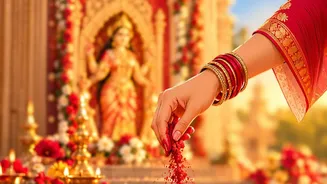
in Indian culture stems from its deep connection to spirituality. In Hindu traditions, it is intrinsically linked with Goddess Lakshmi, the deity of wealth and prosperity. Buying or wearing gold is seen as an invitation to welcome her blessings into the home. Unlike other metals, gold does not rust or tarnish, a physical property that reflects its symbolic meaning of permanence, purity, and indestructibility. This enduring nature makes it the perfect material for temple idols and sacred offerings. Furthermore, ancient traditions associate gold with the sun, viewing it as a conductor of positive energy and vitality, which enhances a person's spiritual clarity and well-being.
The Unbreakable Bond of Marriage
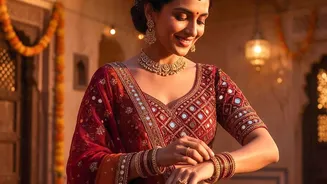
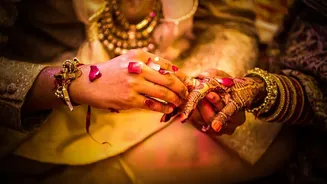
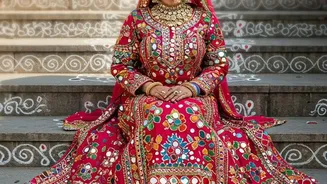
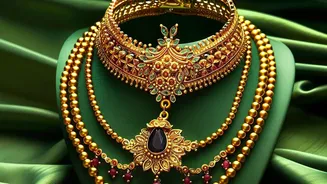
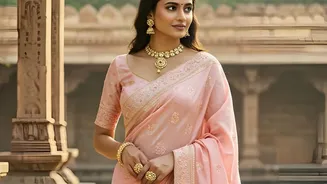
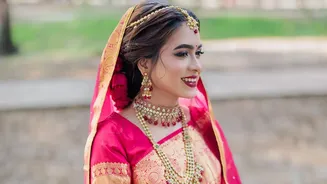
No Indian ceremony showcases the importance of gold more vividly than a wedding. Here, gold jewellery is not mere adornment; it is a collection of powerful symbols and blessings. The bride is adorned with gold as a token of the prosperity she brings to her new family. The 'mangalsutra', a sacred gold necklace the groom ties around the bride's neck, is a sanctified thread that symbolizes their union and is believed to protect the couple. Beyond this central piece, gold bangles are thought to bring luck, while other gifted jewellery serves as 'stridhan'—the bride's personal wealth, offering her a degree of financial security. This tradition of gifting gold solidifies familial bonds and passes blessings through generations.
Festivals of Fortune and New Beginnings
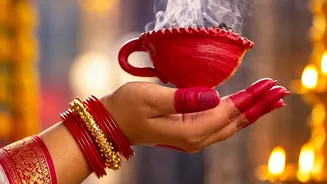
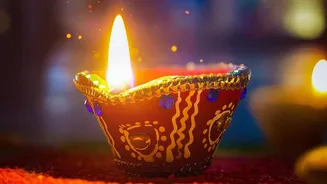
Several major festivals on the Indian calendar are marked by the auspicious act of buying gold. Dhanteras, which marks the beginning of Diwali celebrations, is perhaps the most significant. The name itself combines 'Dhan' (wealth) and 'Teras' (thirteenth day), and purchasing gold on this day is a ritual to welcome Goddess Lakshmi and Lord Kubera, the treasurer of the gods. Similarly, Akshaya Tritiya is another powerful occasion for gold purchases. The Sanskrit word 'Akshaya' means 'never diminishing', and it is believed that any wealth or venture initiated on this day will grow and endure. These festivals create annual cycles where households across the country reinforce their cultural and financial connection to the yellow metal.
From Birth to Housewarming
Gold's presence extends to nearly every significant life milestone. In many communities, a newborn is welcomed with a small gold ornament, like a bangle or chain, during their naming ceremony ('Namakaran'). This first gift is a blessing for a long and prosperous life. The tradition continues through other key moments, such as a child's first rice-eating ceremony ('Annaprashan') or a housewarming ('Griha Pravesh'), where gold is often a central part of the rituals to ensure good fortune. By embedding gold into these foundational life events, its role is cemented from the very beginning, ensuring its importance is understood and carried forward by each new generation.
A Legacy of Security and Status
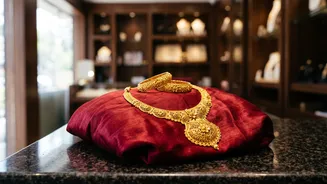
Beyond its spiritual weight, gold serves a critical practical purpose that reinforces its ceremonial need. For generations, it has been a primary form of financial security, an easily liquidated asset that holds its value against economic uncertainty. Gold passed down is not just an heirloom but a legacy of family wealth and stability. Historically, gold gifted to daughters at their wedding was their share of the family's assets. This dual role—as both a sacred object and a reliable investment—is what makes its presence in ceremonies so powerful. Each ritual not only fulfils a spiritual duty but also contributes to the tangible financial health of the family, creating a self-reinforcing cycle of need and reverence.