



The Science of Perfect Balance
The magic of a lemon biscuit lies in the beautiful balance of sweet and sour. On their own, sweetness can be cloying and sourness can be too sharp. But when they come together in a biscuit, they create what food scientists call 'flavour harmony'. The acidity
from the lemon actually enhances our perception of sweetness, making the flavour more complex and interesting. This contrast prevents the buttery richness of the biscuit from feeling too heavy, resulting in a treat that feels both indulgent and light. This 'khatta-meetha' or sweet and sour profile is beloved in Indian cuisine, which explains why the zesty kick of a lemon biscuit feels so familiar and satisfying to our palates.
A World of Lemony Delights
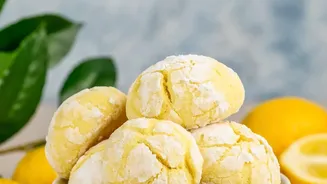
The world of lemon biscuits is wonderfully diverse, offering a texture for every preference. One of the most classic forms is the lemon shortbread. Originating in Scotland, this biscuit is known for its rich, buttery flavour and crumbly, melt-in-your-mouth texture, elevated by a hint of citrus. Then there are glazed lemon cookies, which are often softer and chewier. These feature a soft, buttery cookie base topped with a simple icing made from powdered sugar and fresh lemon juice, which adds an extra layer of zing. You can also find cream-filled biscuits, with a crunchy exterior giving way to a smooth lemon cream filling, and light, crispy lemon wafers that are perfect for a less heavy snack. For a touch of pure indulgence, some biscuits are even dipped in white chocolate, which beautifully complements the sharp citrus notes.
What Makes a Great Lemon Biscuit?
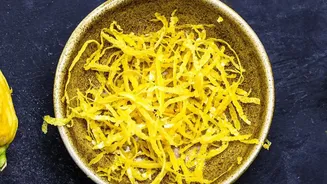
The secret to an authentic, vibrant lemon biscuit lies in its ingredients. While recipes vary, the best ones use real lemon for flavour. Using fresh lemon zest is crucial; rubbing the zest into the sugar before mixing releases its essential oils, infusing the entire dough with a fragrant, natural citrus taste. Lemon juice, often used in the biscuit or in a glaze, provides the characteristic tartness. The quality of the butter is also paramount, as it provides the flavour and richness that defines a good biscuit. Other basic ingredients include flour, sugar, and often an egg to add richness and create a softer, slightly chewier texture. Some recipes might also call for a pinch of salt to balance the sweetness.
From Renaissance Roots to Modern Tables
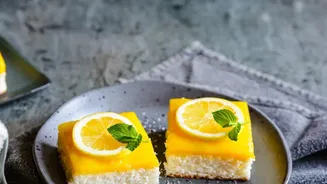
While the modern lemon biscuit is a relatively recent creation, its core components have a long history. Both lemon curd and shortbread were popular treats in England as far back as the Renaissance and 16th century, respectively. However, the idea of combining them into a layered bar or a distinctly flavoured biscuit seems to have taken hold much later, likely emerging from home baking in the mid-20th century. The first widely published recipe for a lemon bar, which combines a shortbread crust with a lemon filling, appeared in the Chicago Daily Tribune in 1962. Since then, countless variations have emerged, cementing the lemon biscuit's status as a timeless classic enjoyed worldwide.
The Perfect Accompaniment
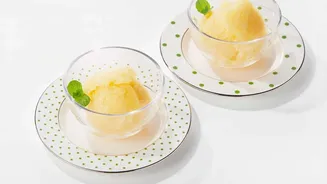
A lemon biscuit is a versatile treat that pairs wonderfully with a variety of beverages. It is a classic companion to a hot cup of tea, whether it's a simple black tea, a fragrant Earl Grey, or even a robust masala chai. The bright notes of the lemon cut through the richness of the milk and spices beautifully. For a refreshing dessert pairing, these biscuits work well alongside fruit-based desserts like a lemon posset, where the crunchy biscuit provides a textural contrast to the smooth, creamy sweet. Of course, they are also perfectly delicious enjoyed all on their own as a simple, elegant snack to brighten any time of day.