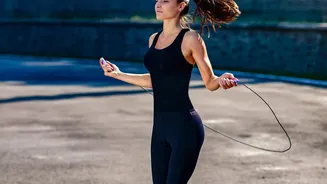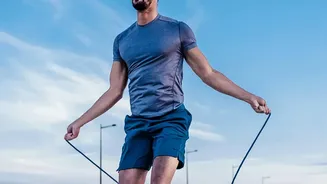




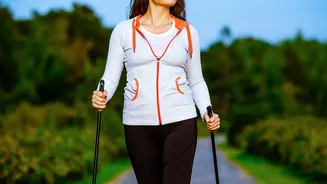
In the search for simple, effective exercise, walking and skipping are top contenders. Both promise a great workout with minimal fuss. But when it comes to gear, one of these classic activities is the undisputed king of simplicity.
The Core Question: Equipment Needs
Let's get straight to
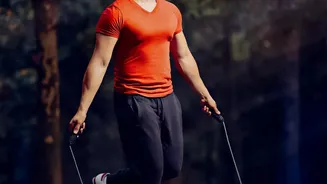
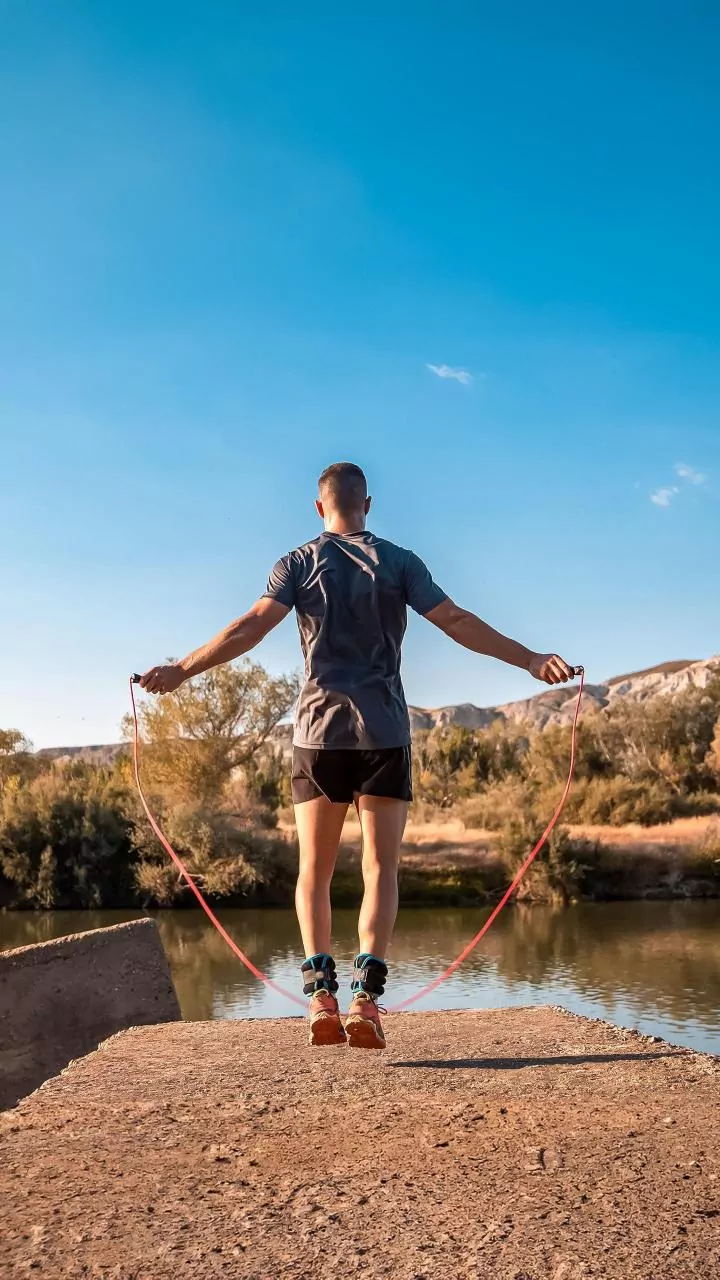
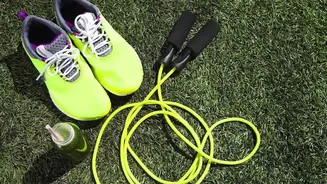
the point: walking requires less equipment than skipping. To start a walking routine, you technically need nothing more than what you're already wearing. However, for a comfortable and safe fitness walk, a good pair of supportive shoes is the only truly essential piece of gear. Any comfortable athletic shoe will do, whether it’s designed for walking, running, or hiking. Skipping, on the other hand, has two mandatory components: appropriate shoes and a jump rope. While you can skip without a rope, the exercise as it's commonly understood for fitness requires one. This gives walking the clear edge for having the lowest barrier to entry in terms of equipment. You can start walking for fitness, right now, with just a pair of comfortable shoes.
Breaking Down the Costs
Since walking's only real requirement is shoes, the initial cost is tied to footwear you likely already own. If you need a new pair, a quality pair of walking or athletic shoes can be an investment, but they are a multi-purpose item. A jump rope is a dedicated piece of fitness equipment. Basic PVC or cloth ropes for beginners are very inexpensive, often costing less than a few cups of coffee. Even higher-end speed ropes or weighted ropes are generally affordable. Over the long term, skipping remains a very low-cost activity. The only other recommended, but optional, piece of gear is a jump rope mat, which protects your rope from abrasive surfaces and can help reduce the impact on your joints. So, while walking can be technically free, starting a proper skipping routine is exceptionally budget-friendly, often costing less than a single new pair of specialised running shoes.
Accessibility and Space
Walking is the clear winner when it comes to accessibility. You can do it almost anywhere: on city streets, in a park, through a shopping mall, or on a treadmill at home. It requires no special surface and can be easily integrated into your daily life, like taking calls while pacing or choosing to walk for short errands. Skipping requires a bit more planning. You need a flat, smooth surface and enough vertical clearance to swing the rope without it catching on anything. This can be a garage, a backyard patio, or a quiet spot in a park. While a jump rope is incredibly portable, finding a suitable space to use it can sometimes be a challenge, especially when travelling or living in a small apartment.
Intensity and Fitness Benefits
This is where skipping truly shines. Minute for minute, skipping is a far more intense workout than walking. It is a high-intensity cardiovascular activity that elevates your heart rate quickly, burning significantly more calories in a shorter amount of time. Some estimates suggest skipping can burn two to three times more calories than a brisk walk in the same period. Skipping also engages more muscle groups, including the shoulders, arms, back, and core, in addition to the legs. Walking is a low-impact exercise, which is gentler on the joints and ideal for beginners or those with certain health conditions. While a brisk walk offers excellent cardiovascular benefits, especially when sustained over longer periods, skipping provides a more vigorous, full-body workout in a fraction of the time.
Skill, Coordination, and Learning Curve
Walking is an innate human movement; there is virtually no learning curve. You can start immediately and gradually increase your pace and distance. Skipping, while simple in concept, requires coordination, rhythm, and practice. Most beginners will trip up frequently in their first few sessions. It takes a little time to master the basic bounce and timing. This initial awkward phase can be a barrier for some, whereas walking is accessible from the very first step. However, learning the skill of skipping can be a rewarding process in itself, improving cognitive function, coordination and agility in a way that walking does not.