



The Monsoon Challenge
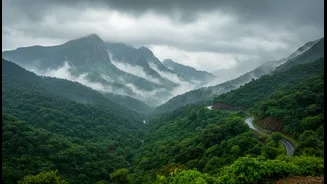
For amateur astronomers, the monsoon season from June to September can feel like a cosmic lockout. The thick cloud blanket, high humidity, and frequent rain make stargazing nearly impossible across much of the country. Equipment is at risk from moisture,
which can lead to fungus on delicate lenses and corrosion on metal parts, while the sky itself is often an impenetrable grey canvas. This combination of factors leads many to pack away their telescopes and binoculars, waiting patiently for the clearer skies of October. However, this season of atmospheric turmoil also has its own unique opportunities, rewarding the patient and well-prepared observer with moments of stunning clarity.
Hunting for Clear Skies
The key to monsoon stargazing is timing and technology. The periods just before dawn or immediately after a heavy rain shower can often yield surprisingly clear skies as the downpour scrubs the atmosphere of dust and pollutants. Your most crucial tool, apart from a telescope, will be a reliable weather app. Modern weather forecasting apps like Clear Outside, Astrospheric, or even general ones that provide hourly cloud cover predictions, are indispensable. Look for forecasts that predict breaks in the cloud, even if only for an hour or two. These short windows are your prime observing opportunities. Setting up alerts for clear skies on specialized astronomy apps can also give you a much-needed heads-up.
Cosmic Sights of the Season
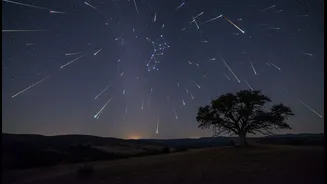
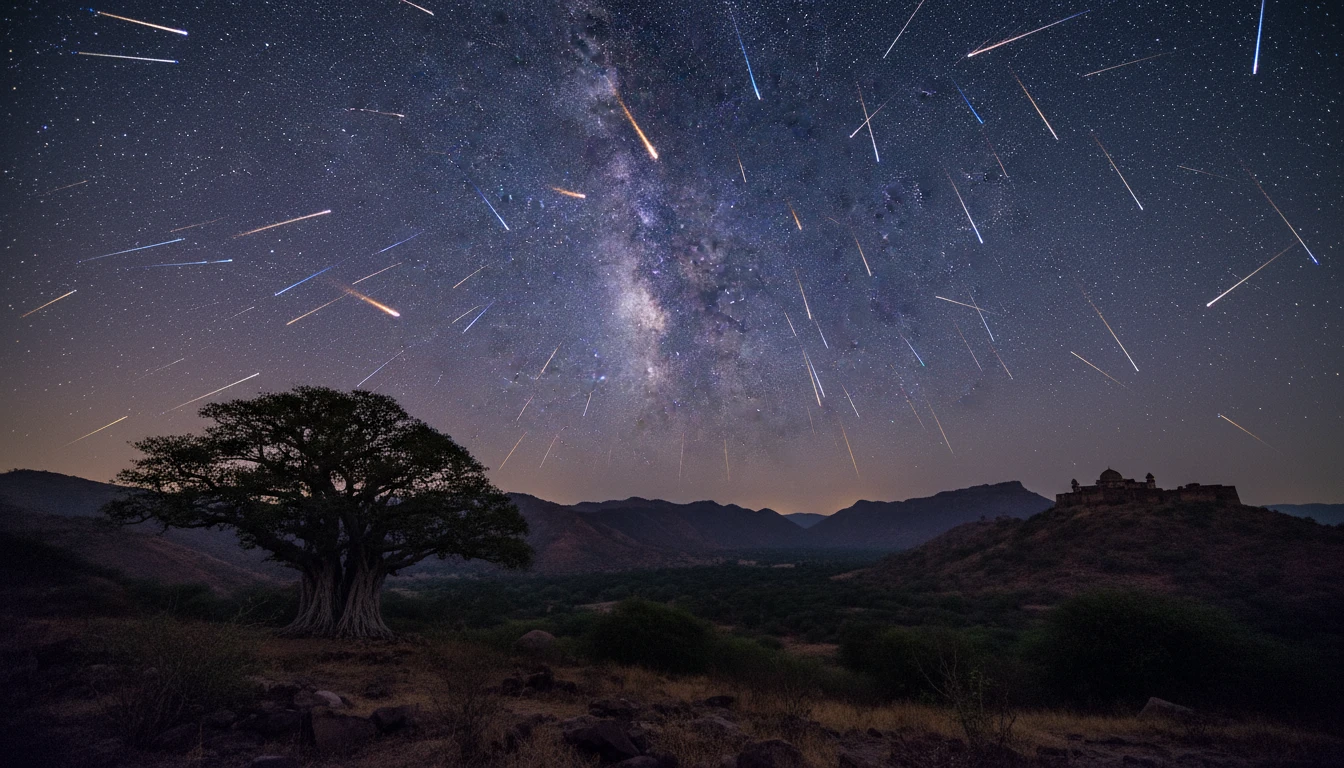
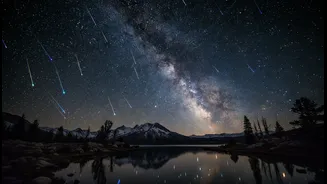
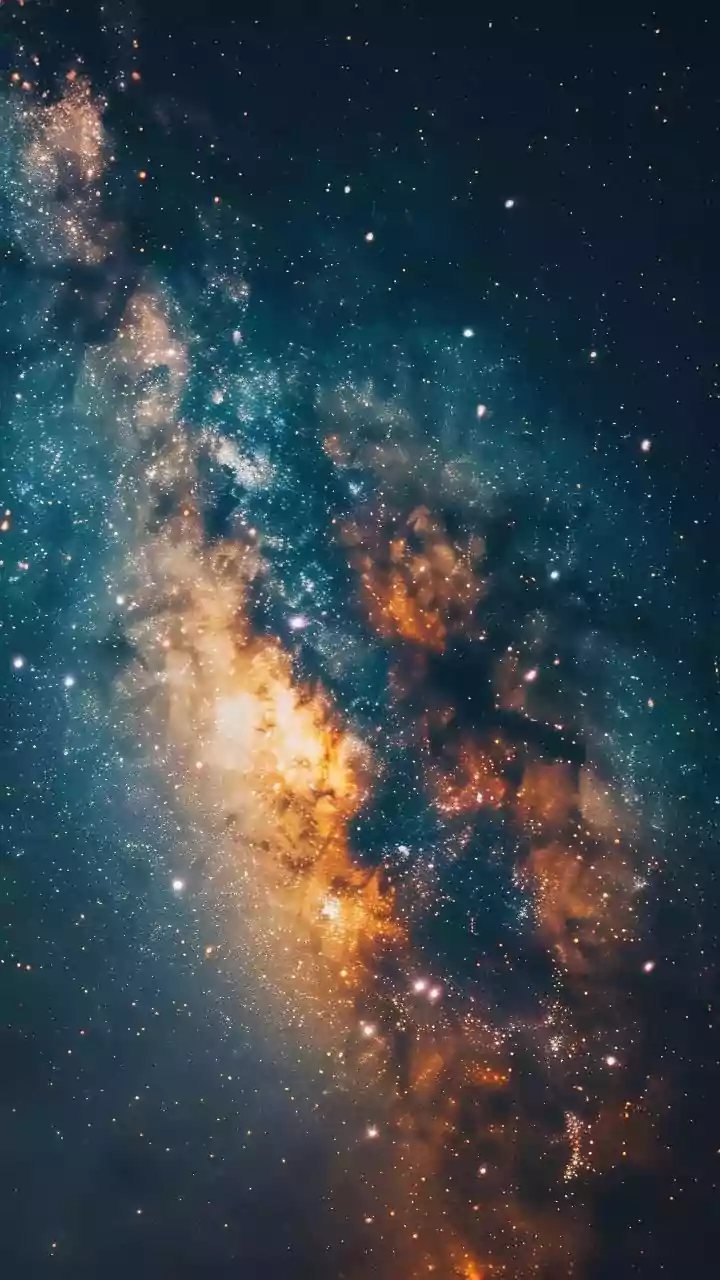
Even with clouds, the monsoon months host several must-see celestial events. For July 2026, sky-watchers have a few beautiful alignments to look forward to. In the early morning hours, conjunctions of the Moon with bright planets like Saturn are often visible. On July 8th, the Moon and Saturn will appear close together in the pre-dawn sky. Later in the month, around July 11th, a crescent moon will form a picturesque triangle with Mars and the Pleiades star cluster. The new moon on July 14 provides the darkest skies, which is the best time to hunt for the faint glow of the Milky Way during any cloud breaks. Towards the end of the month, on July 30th and 31st, the Southern Delta Aquariid and Alpha Capricornid meteor showers will peak, offering the chance to see shooting stars. While a bright moon might interfere, patient observers in dark locations could still be rewarded.
Protecting Your Gear
High humidity is the biggest enemy of your astronomy equipment. Never store your telescope or binoculars immediately after bringing them inside from the cool night air, as condensation will form on the optics. Instead, leave them uncapped in a room for a few hours to allow any moisture to evaporate naturally before storing them. For long-term storage during the monsoon, keeping your gear in a sealed case with rechargeable silica gel desiccant packs is essential to absorb moisture and prevent the growth of fungus on lenses. A basic hygrometer can help you monitor humidity levels in your storage area, which should ideally be kept below 60%. Some enthusiasts even use low-wattage bulbs or specialised coatings to protect electronics from damp.
Strategic Stargazing Spots
If you are truly dedicated, traveling to a rain-shadow region can dramatically increase your chances of clear skies. These are areas on the leeward side of mountain ranges that receive significantly less rainfall. In India, the most famous of these is the high-altitude cold desert of Ladakh and the Spiti Valley in Himachal Pradesh. These regions are largely shielded from the monsoon clouds by the Himalayas, offering some of the clearest and darkest skies in the country, even in July and August. For those in the south, parts of the Deccan Plateau, east of the Western Ghats, also act as a rain-shadow area, though the effect is less pronounced. Places like Malshej Ghat and Coorg can also offer good viewing windows between showers, combining the beauty of the monsoon landscape with the wonders of the night sky.