


The Magic of the Monsoon
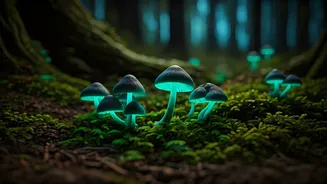
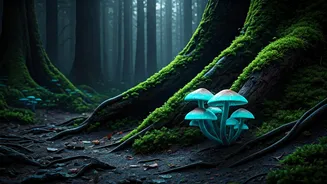
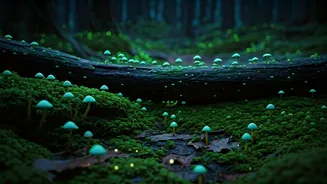
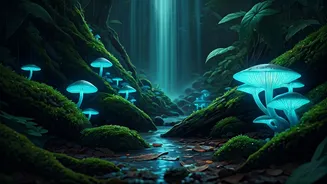
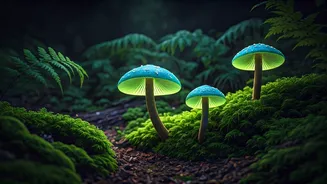
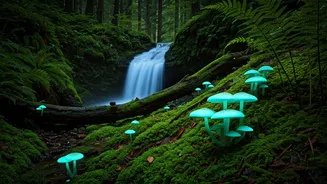
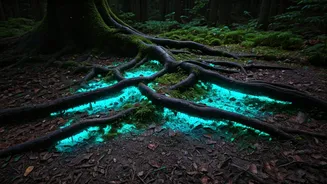
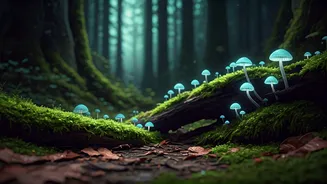
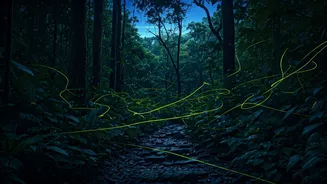
While the monsoon season often encourages us to stay indoors, it unlocks one of nature’s most enchanting secrets: bioluminescent fungi. This phenomenon, often called ‘foxfire’ in folklore, turns damp forest floors and rotting wood into a living light
show. In India, this magical display is primarily caused by fungi from the *Mycena* genus. These tiny mushrooms, unassuming by day, begin to glow after dusk, especially when the humidity is high. For nature lovers and trekkers, seeking out these glowing blooms has become a unique and unforgettable monsoon adventure, offering a rare glimpse into the quiet, brilliant processes of the natural world.
What Creates This Otherworldly Glow?
The light is not magic, but pure biology. The glow is a result of a chemical reaction known as bioluminescence, the same process that allows fireflies to light up. Inside the fungi, a compound called luciferin reacts with oxygen, catalysed by an enzyme named luciferase. This reaction releases energy in the form of a cool, steady light. Scientists believe this glow serves a purpose. It may attract nocturnal insects that help in spore dispersal, allowing the fungus to reproduce and spread. For us, it’s a captivating spectacle that reminds us how much life thrives in the dark, driven by its own unique needs and rhythms.
Where to Find These Glowing Forests
India’s Western Ghats are a global hotspot for biodiversity and the primary destination for spotting these glowing fungi. During the monsoon, the forests of Goa, Maharashtra, and Karnataka come alive with these natural lanterns. In Maharashtra, the Bhimashankar Wildlife Sanctuary and various forest patches in the Sahyadri range are known locations. In Goa, the Mhadei Wildlife Sanctuary and surrounding forested areas offer excellent opportunities for sightings. Further east, the forests of Meghalaya have also been identified as home to several species of bioluminescent fungi, adding to the region's rich ecological tapestry. These are not phenomena you find in city parks; they require venturing into undisturbed, damp, and dark forest environments.
The Best Time for a Sighting
Timing and conditions are everything. The peak season for spotting bioluminescent fungi aligns with the heart of the Indian monsoon, typically from June to late September or early October. The ideal moment is during or just after a good spell of rain when the humidity is at its peak. The glow is most brilliant on moonless or overcast nights, as any ambient light from the moon or nearby towns can wash out the subtle luminescence. Plan your walk to begin after dusk, giving your eyes at least 15-20 minutes to adjust to the complete darkness of the forest. This patience is key to perceiving the faint yet mesmerising glow.
Preparing for Your Night Walk
A guided walk is highly recommended. Local guides or eco-tourism groups not only know the exact locations where the fungi thrive but also ensure your safety in the forest at night. For your part, dress appropriately. Wear full-sleeved shirts and trousers to protect against insects, and invest in a good pair of waterproof trekking shoes with a strong grip for slippery trails. A raincoat or poncho is essential. Carry a torch, but use it sparingly to preserve your night vision; a red filter over the light is even better as it is less disruptive. Don’t forget insect repellent, a bottle of water, and a deep sense of respect for the fragile ecosystem you are entering. Remember to leave no trace behind.