

The Era of the Untouchable Sofa
If you grew up in a certain kind of Indian home, you remember the rules. The living room, or 'drawing room', was a pristine sanctuary. Its sofas were often shrouded in plastic, the cushions perpetually karate-chopped, and the decor was arranged not for
comfort but for admiration. This was the room reserved for important guests, festivals, and occasions—a showcase of the family's status and taste. For the family itself, it was largely off-limits, a domestic museum where life was not meant to be actively lived. This concept, a hangover from the colonial-era 'withdrawing room', became a fixture in affluent Indian homes, a symbol of aspiration and formality. It was designed to impress visitors more than to support the people living inside it.
Life, Lifestyles, and Smaller Layouts
So, what changed? In short, everything. The primary driver is the evolution of Indian life itself. Urban apartments are getting smaller, and dedicating a whole room to infrequent guests has become an impractical luxury. With the rise of nuclear families, the large, formal gatherings that once necessitated such spaces are less frequent. Furthermore, the pandemic irrevocably blurred the lines between our personal and professional worlds. The home had to become an office, a school, a gym, and an entertainment hub all at once. Suddenly, every square foot needed to earn its keep. The room that was once for display had to become a room for doing, forcing a fundamental rethink of its purpose. There's also a psychological shift: a new generation is prioritising mental well-being and functionality over performative grandeur.
The 'Lived-In' Living Room Arrives
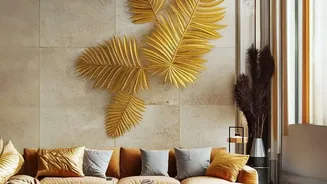
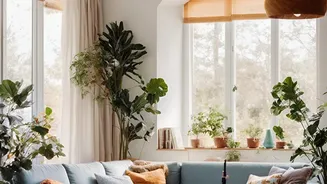
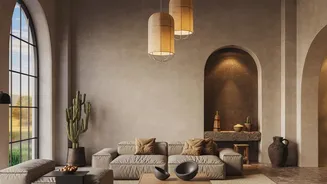
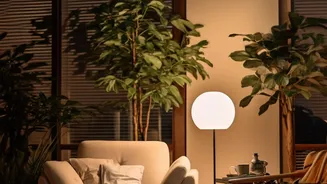
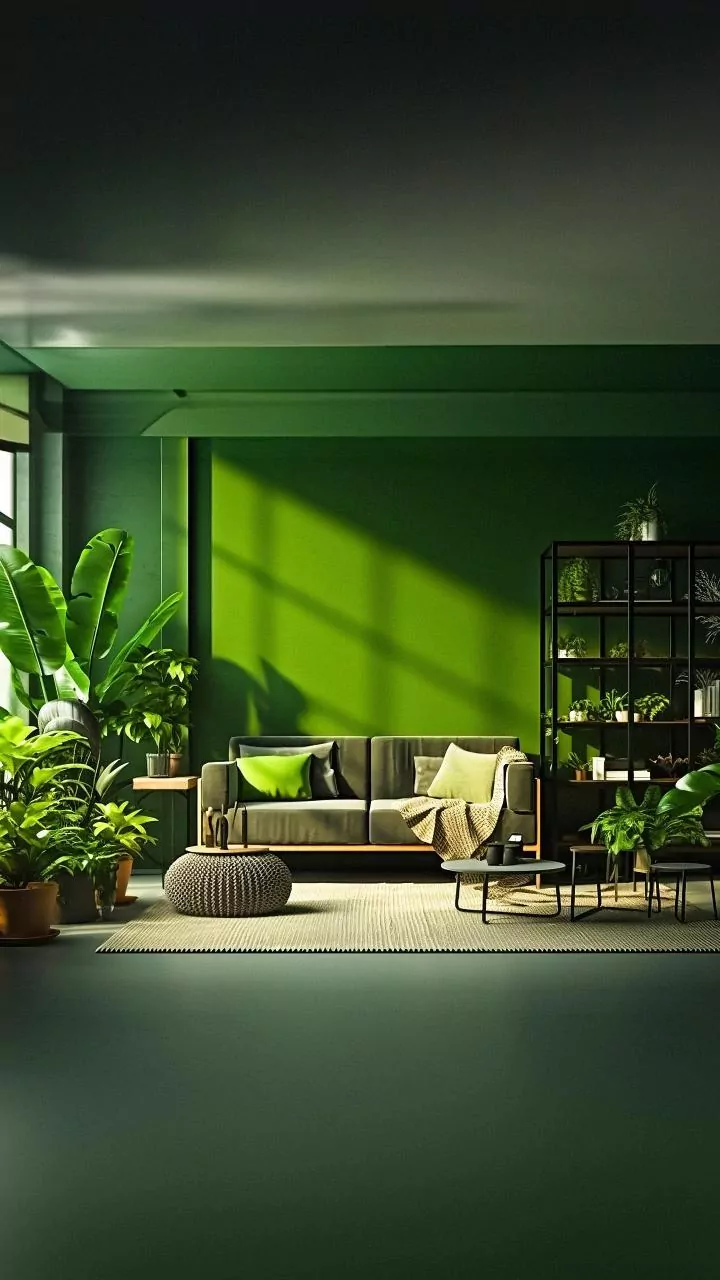
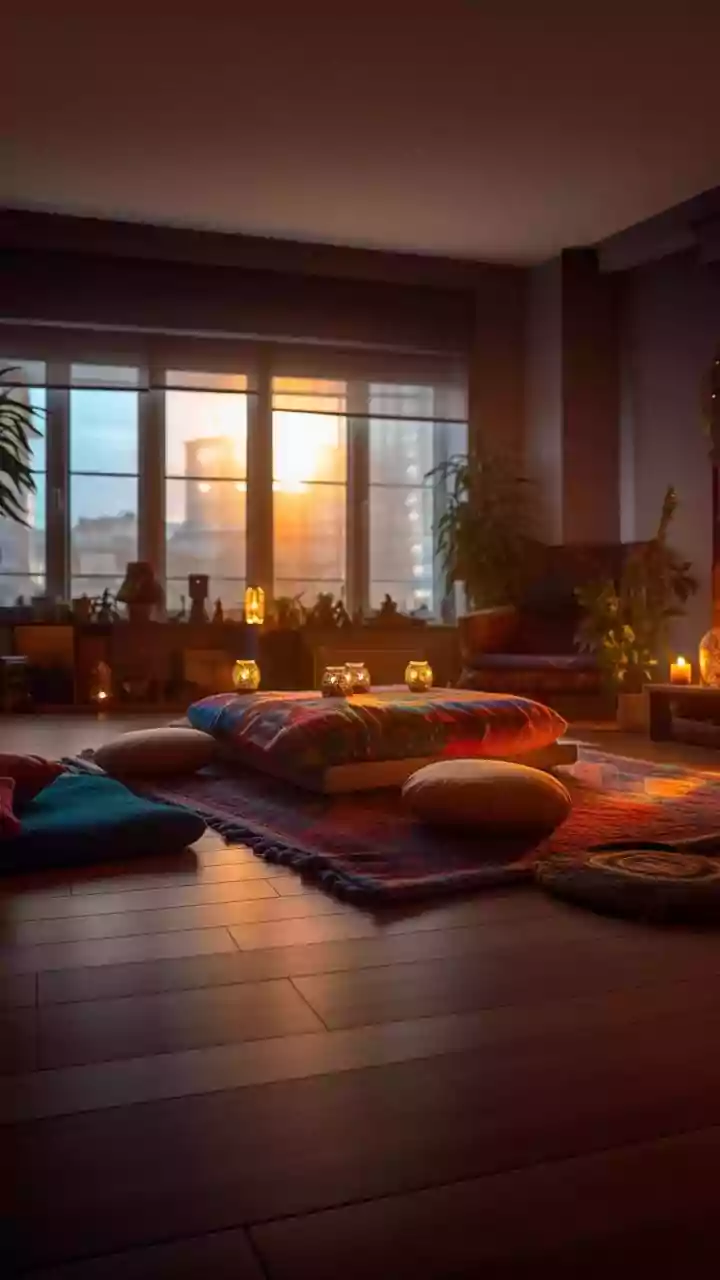
The new Indian living room is less a showroom and more a reflection of its inhabitants. The aesthetic is warmer, more personal, and tactile. Stark grey palettes are being replaced by warm neutrals like beige, terracotta, and olive. Sharp, boxy furniture is giving way to softer, curved silhouettes that are more forgiving and inviting. This isn't about shabby chic; it's about curated comfort. Instead of matching five-piece furniture sets, you'll see a thoughtful mix of a comfortable sofa, a functional coffee table, and personal items that tell a story. The focus is on materials that feel good, like solid wood, natural fabrics, and handcrafted details that add soul rather than just shine. It’s a space designed around experience, not just appearance.
From Single Use to Multi-Functional Hub
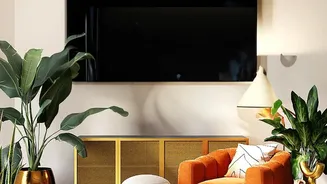
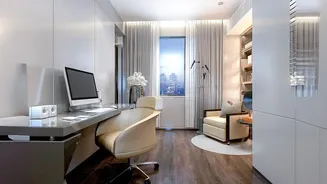
The modern living room is the hardest-working space in the house. It's where someone sips their morning tea, where a child might do their homework, where the family watches a movie, and where a laptop is opened for a late-night email. This demand for versatility has made multi-functional furniture a necessity, not a trend. Sofa-beds, expandable coffee tables, wall-mounted desks, and modular seating are now staples. Designers use techniques like 'zoning'—using rugs, lighting, or open shelving—to create distinct areas for different activities within a single open space. The room is no longer defined by a single, rigid function but by its ability to adapt to the fluid, overlapping needs of a modern family's day.
The Real Lesson: Designing for Your Life
The quiet decline of the formal drawing room offers a powerful lesson in design: our spaces are at their best when they are an honest reflection of how we actually live. The shift is away from designing for a hypothetical, judgemental guest and towards designing for our own comfort, productivity, and joy. It marks a growing confidence in our own taste and a move from aspiration-as-imitation to aspiration-as-authenticity. The ultimate luxury is no longer a vast, empty room, but a space that feels personal, supports our daily routines, and serves as a comfortable retreat from the demands of the outside world. It’s about making your home work for you, not the other way around.