






A Stage for the History Books
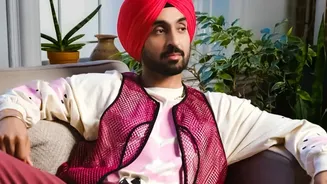
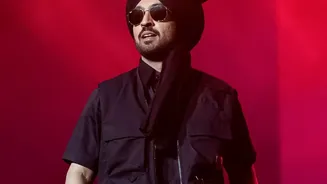
On September 12, 2026, Diljit Dosanjh became the first Punjabi artist to ever headline London's iconic Wembley Stadium. Performing to a reported capacity crowd of around 90,000 people, the event was a monumental milestone for Punjabi music on the world
stage. Fans from different generations and backgrounds gathered for the landmark show, part of his globally successful 'Aura World Tour'. While the night was filled with his own blockbuster hits like 'G.O.A.T.' and 'Lover', Dosanjh understood the platform he stood on. It wasn't just about celebrating his own success; it was about honouring the very roots of the music that brought him there, turning the massive venue into a space of cultural communion.
A Qawwali Master Reimagined
One of the most talked-about moments of the night came when Dosanjh performed “Sanson Ki Mala,” a celebrated qawwali composition forever associated with the legendary Ustad Nusrat Fateh Ali Khan. This wasn't a simple cover. Presented as a heartfelt musical tribute, the performance transformed the high-energy pop concert into a moment of collective reverence. As Dosanjh’s voice soared, tens of thousands of phone lights illuminated the stadium, creating a breathtaking sea of light. For many older fans, it was a nostalgic nod to a master. For younger concertgoers, it was a powerful introduction to a foundational artist whose influence echoes through South Asian music today. In that moment, Dosanjh was not just a performer but a bridge, connecting a stadium full of modern music fans to a timeless spiritual classic.
Breathing New Life into a Folk Classic
The journey into the past didn't stop there. Dosanjh also paid tribute to another legend by performing “Mera Laung Gawacha,” an iconic folk song made famous by Pakistani singer Musarrat Nazir. By choosing this song, he celebrated a shared Punjabi heritage that transcends borders. The performance was a masterclass in re-contextualization. Hearing a song, traditionally performed in more intimate settings, echo across a 90,000-person stadium gave it a new sense of scale and power. It served as a reminder that the heart of Punjabi music lies in its rich folk traditions. For a generation raised on streaming and viral hits, Dosanjh used his platform to showcase the enduring appeal of these foundational melodies, effectively ensuring their survival in the modern musical landscape.
The Modern Curator of Punjabi Culture
These tributes were more than just crowd-pleasing additions to a setlist; they represented a deeper understanding of his role as a global cultural ambassador. At the peak of his fame, Dosanjh is consciously choosing to act as a curator, using his massive platform to introduce legendary artists and their seminal works to a new, globalised audience. He is ensuring that the names of Nusrat Fateh Ali Khan and Musarrat Nazir are heard and respected by a generation that may not have encountered them otherwise. This act of musical preservation is crucial. It asserts that as Punjabi music evolves and reaches new heights, it does not forget its foundations. It shows a commitment to the entire ecosystem of the culture, from its folk and spiritual roots to its modern hip-hop-infused present.