






The Great Monsoon Withdrawal
The annual withdrawal of the southwest monsoon is one of the most significant meteorological events for the Indian subcontinent. Typically beginning in the northwestern states around mid-September, the process is a slow reversal of the moisture-laden
winds that define the summer. However, this year's transition is under close watch. Weather agencies like the India Meteorological Department (IMD) have forecast a potentially drier-than-usual September, influenced by strong El Niño conditions in the Pacific Ocean. This climatic pattern is often associated with suppressed rainfall in India. While the monsoon's retreat might be timely, starting around September 17, the reduced overall rainfall for the month could have widespread implications for agriculture and water reserves across the country.
A Timely Boost for Farmers
Despite the forecast for a drier month overall, the September rains that do occur are critically important. These late-season showers play a vital role in ensuring adequate soil moisture for the sowing of rabi (winter) crops like wheat, mustard, and gram, which are crucial for the nation's food security. Furthermore, this period is the last chance for India's vast network of reservoirs to be replenished before the dry season sets in. As of late August, rainfall has been deficient, raising concerns about agricultural productivity. Any rainfall in September helps top up these crucial water stores, which are essential for drinking water supply, hydropower generation, and irrigation through the winter and into the next summer. While overall reservoir levels have been a concern, a few good spells of rain can provide a much-needed buffer.
The Persistent Risk of Urban Flooding
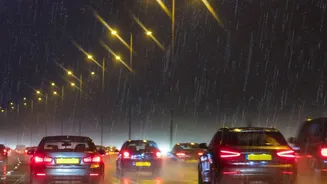
The flip side of the retreating monsoon is the nature of its rainfall. Instead of steady, prolonged showers, this period often features short, intense bursts of rain. For India's rapidly growing cities, this pattern poses a severe risk of urban flooding. A city can experience below-average rainfall for the month but still face devastating floods if a large volume of rain falls in just a few hours. Metros like Mumbai, Delhi, Chennai, and Bengaluru have repeatedly seen their drainage systems overwhelmed by such events, leading to waterlogging that paralyses transport, damages property, and disrupts daily life. This risk is compounded by unchecked urbanisation, which has led to the concretisation of surfaces and the loss of natural drainage channels like wetlands and lakes.
Landslides and Cyclones on the Horizon
The dangers are not confined to the cities. In the hilly regions of the Himalayas, the soil is often saturated after months of rain. Intense downpours during the withdrawal phase can act as a final trigger for devastating landslides and flash floods. States like Uttarakhand and Himachal Pradesh remain on high alert during this transitional phase. Simultaneously, as the monsoon officially ends, the sea surface temperatures in the Bay of Bengal and the Arabian Sea remain warm. This creates favourable conditions for the formation of post-monsoon tropical cyclones. While cyclones are more common between October and December, the transitional weather of late September can sometimes spawn these powerful and destructive storm systems, threatening coastal communities in states like Odisha, West Bengal, and Andhra Pradesh.
Navigating the Uncertainties
Managing this delicate balance between benefit and risk requires constant vigilance and preparedness. The IMD provides regular forecasts and warnings about heavy rainfall, thunderstorms, and potential cyclonic developments. For farmers, these advisories are crucial for planning harvesting and sowing activities. For urban residents and disaster management authorities, the focus is on ensuring that drainage systems are clear and emergency response plans are in place. Even with a forecast for a drier month, the potential for extreme weather events remains. This makes preparedness not just a seasonal task, but a year-round necessity as climate patterns become increasingly erratic and intense.