








More Than Just Lifting Weights
Forget the image of bodybuilders isolating one muscle at a time. Functional strength training is about preparing your body for real life. It involves compound exercises that engage multiple muscle groups simultaneously, mimicking everyday movements like
squatting, lifting, pulling, and carrying. Think of it as training for the movements you actually do outside the gym—from lifting a heavy grocery bag and carrying your laptop to hoisting a suitcase into an overhead bin. The goal isn't just to build bigger muscles, but to create a body that moves more efficiently, with better coordination, balance, and stability.
The Posture Problem of Modern Life
Long hours hunched over laptops, endless scrolling on smartphones, and lengthy commutes have become a signature of modern professional life in India. This increasingly sedentary lifestyle, common among young professionals in cities like Mumbai, Bengaluru, and Delhi, is a leading cause of poor posture. This constant state of “tech neck” and “desk slump” isn't just about looking tired; it leads to chronic neck, shoulder, and back pain by placing repetitive strain on muscles and ligaments. Over time, these postural imbalances can cause discomfort and even increase the risk of injury in day-to-day activities.
Building a Stronger Foundation
This is where functional strength training becomes a game-changer. By strengthening the entire chain of muscles that support your spine—from your deep core muscles to your upper back and glutes—it directly combats the effects of a sedentary work life. Strong core muscles act as a natural corset, stabilising your spine and helping you maintain proper alignment even while seated. Exercises like rows and reverse flys strengthen the upper back, actively pulling the shoulders back and reversing the rounded posture that comes from leaning forward. It retrains your body to maintain good posture naturally, reducing pain and preventing future discomfort.
From Surviving to Thriving
For many young Indian women, the shift towards strength training represents a broader change in mindset. The focus is moving away from simply being thin to being strong, capable, and resilient. Functional fitness aligns perfectly with this goal. It's not about achieving a certain aesthetic but about what your body can do. It’s the confidence that comes from being able to move furniture in your apartment, play with a child without your back aching, or simply get through a demanding workday feeling energized instead of depleted. This form of exercise builds practical, usable strength that enhances quality of life.
Getting Started with Functional Fitness
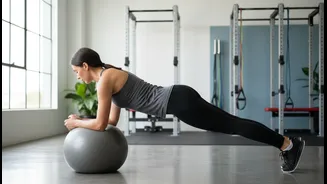
The beauty of functional fitness is its accessibility. Many exercises can be done with minimal equipment. Foundational movements include: - Squats: This powerhouse move strengthens your legs, glutes, and core, mimicking the motion of sitting and standing. - Planks: An essential for core stability, a strong plank helps support your entire torso and improves spinal alignment. - Rows: Using resistance bands or light dumbbells, rows are fantastic for strengthening upper back muscles and correcting hunched shoulders. - Bird-Dog: This simple but effective exercise improves core stability and coordination, crucial for balance. Starting with bodyweight versions and prioritising correct form over heavy weights is key to preventing injury and building a solid foundation.