





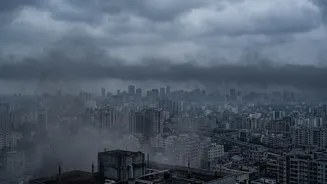
Another Winter, Another Gas Chamber
The annual pollution crisis has once again descended upon Delhi and the National Capital Region. On Friday, November 13, air quality plummeted into the 'severe' category, with the overall Air Quality Index (AQI) touching a hazardous 494. This alarming
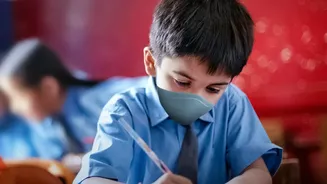
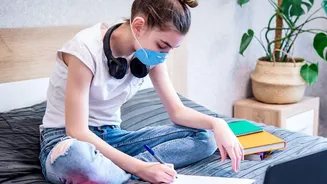
spike, fueled by a combination of farm fires, vehicle emissions, and unfavorable weather, has prompted authorities to enforce stringent measures under the Graded Response Action Plan (GRAP). For millions of children, this has meant an abrupt end to their physical school day. The government has directed all primary schools to switch to hybrid or fully online classes, forcing students back inside their homes. The decision, aimed at protecting their vulnerable lungs from the toxic air, has inadvertently plunged them back into a mode of learning many had hoped to leave behind.
A Familiar, Unwelcome Return to Screens
The shift to online classes feels uncomfortably similar to the COVID-19 pandemic lockdowns. While online learning was once seen as a novel solution, its prolonged use during the pandemic revealed significant downsides. Studies and surveys conducted during that period highlighted a notable increase in frustration, irritation, and stress among students confined to their homes. For children and parents alike, this new pollution-induced lockdown is not just an inconvenience; it's a regression. The return to screens, social isolation, and a disrupted routine revives memories of a difficult period, raising fears that the psychological toll of this 'new normal' may be just as damaging as the smog outside. Experts warn this cycle of disruption is creating a state of constant, low-grade anxiety for an entire generation.
The Toll on Young Minds
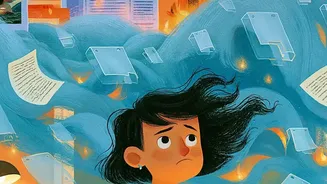
Child psychologists and pediatricians are raising the alarm about the profound mental health implications of this recurring confinement. The issue extends beyond simple 'cabin fever'. Increased screen time is directly linked to higher rates of anxiety, sleep disturbances, and irritability in children. The lack of in-person peer interaction, a crucial component of social and emotional development, is a major stressor. Experts explain that the very air quality that confines children indoors is a source of worry itself, with studies showing that a majority of children feel stressed or anxious due to pollution. This creates a double bind: the threat is outside, but the solution—isolation and digital immersion—brings its own set of psychological risks, from screen dependence to a feeling of hopelessness.
A Crisis of Development
The impact of being forced indoors goes beyond immediate anxiety. Children's physical and cognitive development is at stake. Pediatricians emphasize that children are not just small adults; their lungs are still developing, and they breathe at a faster rate, inhaling more pollutants relative to their body size. Chronic exposure can lead to irreversible lung damage. Furthermore, the absence of outdoor play and physical activity compromises their overall health and well-being. School is not just for academics; it's where children learn crucial life skills like cooperation, negotiation, and building friendships. By confining them to a screen, society is systematically depriving them of the holistic experiences necessary for healthy brain development and building social resilience. This is no longer just an environmental problem; it is a childhood crisis.
An Impossible Choice for Parents
Parents in Delhi are caught in an impossible dilemma: protect their children's lungs from toxic air or protect their minds from the damaging effects of isolation. For many, neither choice feels right. While some may have access to air purifiers, a large number of families do not, meaning the air inside can be as harmful as it is outside. The switch to online learning also places a heavy burden on parents, especially in households where both parents work or where access to digital devices is limited. This precarious situation, where parents must choose between two significant threats to their children's well-being, underscores the systemic failure to address the root cause of the pollution crisis. The recurring nature of this emergency places immense stress on families, who are forced to adapt their lives around a predictable yet unmitigated disaster year after year.