






The End of the Sofa's Reign
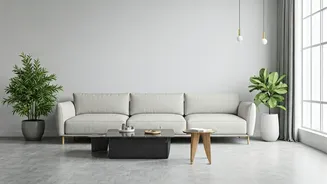
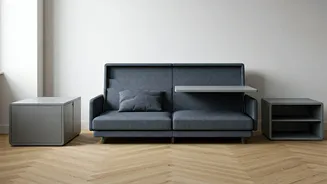
For generations, the living room was built around one key piece of furniture: a large, heavy sofa set. It was a symbol of permanence and formality, a place for receiving guests in a structured way. But for many in Generation Z, this model feels outdated
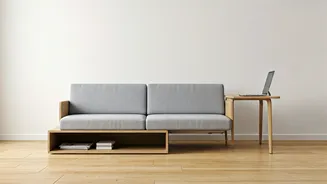
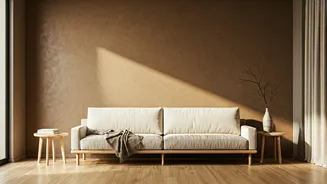
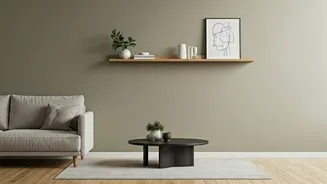
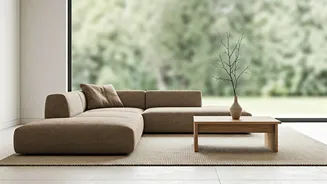
and restrictive. They are instead championing low-seating arrangements. This trend involves using furniture that sits closer to the ground, such as deep-seated, legless sofas, oversized floor cushions, poufs, ottomans, and modern interpretations of the traditional Indian 'baithak' or diwan. The result is a space that feels more open, fluid, and profoundly casual.
Driven by Urban Realities
One of the biggest drivers of this trend is simple practicality. As more young people move to metros like Mumbai, Bengaluru, and Delhi for work and education, they find themselves in smaller apartments where every square foot counts. A bulky three-piece sofa set can devour a room, making it feel cramped and cluttered. Low-profile furniture, by contrast, creates an illusion of space. With a lower sightline, the ceiling appears higher and the room feels more airy. This layout also offers unmatched flexibility. A collection of floor cushions and poufs can be easily rearranged for a movie night, a small gathering, or a solo yoga session, making the living room a truly multi-functional space.
A Global and Local Fusion
This aesthetic isn't new; rather, it’s a modern fusion of global influences and a nostalgic return to Indian roots. On one hand, it borrows heavily from the minimalist principles of Japanese design (think tatami mats and zaisu chairs) and the cozy, informal vibe of Scandinavian 'hygge'. These global trends, popularised on platforms like Pinterest and Instagram, celebrate simplicity and comfort. On the other hand, it resonates deeply with traditional Indian living. For centuries, homes featured 'gaddas' on the floor and low-slung 'diwans' for lounging and socialising. Gen Z is reviving this concept, but with a contemporary twist—using modern fabrics, modular forms, and a minimalist colour palette.
Creating a Casual, Communal Vibe
Beyond aesthetics and space-saving, the shift to low seating reflects a change in social dynamics. A formal sofa setup can create a subtle barrier between people, dictating where and how they sit. Low seating, however, breaks down these barriers. It encourages people to lounge, recline, and gather in a more organic, intimate way. It's less about formal entertaining and more about creating a comfortable, welcoming den for close friends. This laid-back atmosphere aligns perfectly with Gen Z's preference for authentic connections and informal socialising over the structured etiquette of previous generations.
An Economical and Conscious Choice
Finally, financial and ethical considerations play a significant role. Traditional, high-quality sofa sets are a major investment. Modular, low-profile pieces are often more affordable and adaptable. For a generation accustomed to renting and moving frequently, lightweight and versatile furniture is simply a smarter choice. Furthermore, this trend often aligns with a growing interest in sustainability. Many smaller brands creating these pieces focus on using natural materials like jute, cotton, and reclaimed wood. By opting for fewer, more versatile items, consumers are also implicitly rejecting the culture of overconsumption, choosing pieces that are adaptable and long-lasting in their utility, if not their permanence.