

Sabudana: The Quick Energy Provider
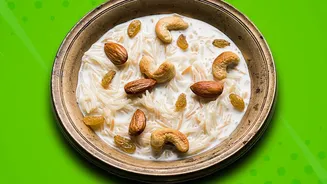
Sabudana, or tapioca pearls, is a staple in almost every fasting household, and for good reason. It is primarily composed of carbohydrates, which provide a quick and easily digestible source of energy. This makes it ideal for combating the fatigue that
can accompany a fast. While sabudana itself is low in other nutrients like protein and fibre, its role as an energy booster is significant. It's incredibly versatile and can be prepared as a savoury khichdi with peanuts and potatoes, a sweet kheer, or crispy vadas, keeping your fasting menu interesting. To make it a more balanced meal, combining it with protein sources like peanuts or dairy is a great strategy.
Vrat Flours: For Sustained Release
Regular grains like wheat and rice are typically avoided during Sawan fasts. Instead, a special category of 'vrat' flours takes centre stage. These include Kuttu ka Atta (buckwheat flour), Singhare ka Atta (water chestnut flour), and Rajgira ka Atta (amaranth flour). Unlike simple starches, these flours are often rich in minerals and provide more sustained energy. Buckwheat, for example, is a good source of high-quality protein and fibre, which helps in balancing blood sugar and keeping you full for longer. You can use these flours to make delicious pooris, parathas, or cheelas to accompany your vrat-friendly sabzis.
Samak Rice: The Light Grain Alternative
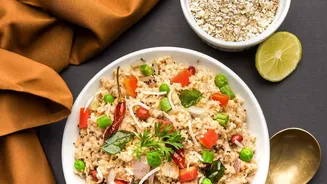
Often called 'vrat ke chawal', Samak Rice or barnyard millet is the perfect substitute for regular rice during fasting. It is light on the stomach, easy to digest, and a good source of fibre. This pseudo-grain can be used to prepare a variety of dishes, from a simple pulao cooked with potatoes and peanuts to a creamy kheer for a sweet treat. Its versatility and nutritional profile make it an excellent choice for a filling meal that won't leave you feeling heavy or lethargic.
Potatoes and Sweet Potatoes: The Root of Energy
Potatoes and sweet potatoes are permitted in most fasting traditions and are fantastic for energy. They are packed with complex carbohydrates, which break down slowly, providing a steady supply of fuel to your body. Sweet potatoes, in particular, are also a great source of fibre, vitamins, and minerals. Whether you have them boiled, roasted as a chaat with rock salt and lemon, or cooked into a simple 'aloo jeera' sabzi, these root vegetables are a satisfying and energising component of any vrat thali.
Nuts and Dry Fruits: Nutrient-Dense Powerhouses
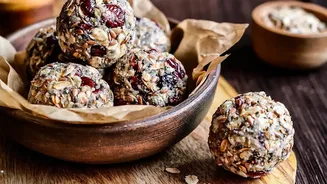
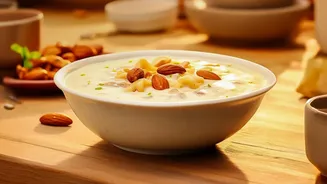
For a quick and powerful snack between meals, look no further than nuts and dry fruits. Almonds, walnuts, peanuts, and makhana (fox nuts) are excellent choices. They provide a fantastic combination of healthy fats, protein, and fibre, which helps in maintaining satiety and stable energy levels. Makhana, in particular, is a low-calorie snack rich in calcium and protein. A small handful of mixed nuts or a bowl of roasted makhana can be the perfect pick-me-up during an afternoon energy slump.
Dairy Products: The Protein Punch
Milk, curd (yoghurt), and paneer (cottage cheese) are generally permitted during Sawan fasts and are crucial for a balanced diet. They are excellent sources of protein and calcium, which are essential for muscle health and keeping you feeling full. A bowl of fresh curd can be cooling and great for digestion, while paneer can be lightly sautéed with vrat-friendly spices for a substantial meal. Incorporating dairy ensures you're not missing out on vital nutrients while fasting.
Fruits: Nature’s Hydrating Energisers
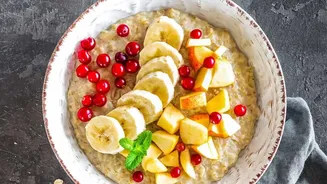
Fruits are a cornerstone of any fasting diet, providing natural sugars for an instant energy boost, along with essential vitamins and hydration. Bananas are particularly good for their potassium content, while apples and papayas offer fibre and other nutrients. A colourful fruit chaat, sprinkled with a little rock salt, can be a refreshing and light meal or snack. It's also important to stay hydrated, and fruits with high water content contribute to your fluid intake.